What to Read After The Thursday Murder Club: Is Vera Wong Your Next Sleuth?
If you finished The Thursday Murder Club wishing you could spend more time with its people, put Vera Wong’s Unsolicited Advice for Murderers on your list. Jesse Q. Sutanto’s mystery has an older amateur detective, plenty of interference in other people’s business, and friendships that become part of the reason to keep reading. The strongest connection is the pleasure of finding good company in the middle of a murder investigation.
There’s a difference worth knowing before you choose it, though. Richard Osman gives you a group of friends who already meet to puzzle over crimes. Sutanto starts with a lonely tea-shop owner whose investigation brings new people into her life. If you want another established team with the same rhythm as Elizabeth, Joyce, Ibrahim and Ron, that change may matter. If you’d enjoy watching a new circle form, Vera is a promising person to meet.
Start with what you’ll miss about the club
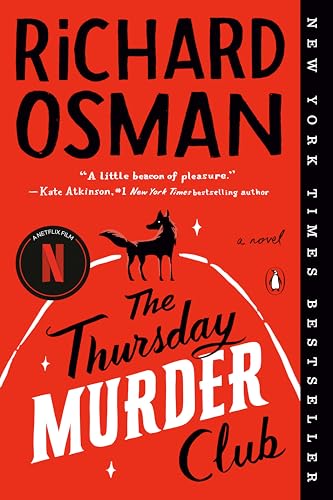
The Thursday Murder Club begins with four retirement-village residents discussing unsolved cases. A murder nearby turns their regular pastime into a live investigation. That setup gives the book two invitations at once: try to solve the case, and pull up a chair with the people solving it. The publisher’s description establishes the small community and the leap from cold cases to immediate danger.
Before searching for something similar, think about which invitation you accepted most eagerly. Did you race through conversations looking for clues? Did you look forward to the next exchange between the friends? Or did you like seeing older characters take charge when other people might underestimate them? Those answers can lead to different recommendations, even when every book on the shelf is called a cozy mystery.
Osman has described the puzzle and the characters as closely connected. In his interview with Dead Good, he explains that readers need to enjoy spending time with the people who carry them through the mystery. That’s a useful way to judge a follow-up read: look for someone you want to accompany, rather than expecting a new author to reproduce the exact cast you’ve left behind.
Meet Vera before you meet her suspects
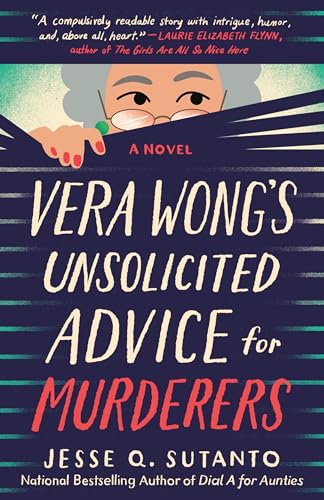
Vera Wong’s Unsolicited Advice for Murderers takes you to San Francisco’s Chinatown. Vera lives above her tea shop, where she discovers a dead man one morning. She calls the police, but she also pockets a flash drive and decides to investigate for herself. Her confidence that she can do a better job sets the story in motion. This is the opening premise, described by Berkley, rather than a later revelation.
The complication is that the people Vera suspects become people she cares about. Investigating them and welcoming them into her life begin to pull in different directions. That gives the recommendation a more specific appeal than “another funny murder mystery.” It’s a good possibility when you want suspicion and affection to share the same room.
Vera’s forcefulness is also worth considering. In an author interview with United By Pop, Sutanto says the character draws on both her parents and discusses how affection can sit behind overbearing behavior. That doesn’t mean every reader will find Vera charming immediately. If a determined meddler makes you laugh, her personality may be a large part of the attraction. If you get impatient with characters who won’t take a hint, try a sample before committing.
An established circle or a new one?
This is the clearest choice between the two books. With Osman’s opening premise, the group exists before the live case arrives. With Vera, the case creates opportunities for connection. One starts with a shared habit; the other disrupts a lonely routine.
For a reader choosing the next book, that changes what there is to look forward to. You might want the ease of returning to familiar friends, in which case continuing Osman’s series makes sense. Or you might be ready for the uncertainty of new relationships: who will trust whom, who will get along, and whether someone who seems intrusive could become important to another person.
Neither preference is a test of how adventurous a reader you are. After a busy week, familiar characters can be exactly what you want. At another moment, meeting someone with a completely different way of handling people may be more appealing. Choose the kind of company you want now, rather than treating every recommendation as a replacement for your favorite book.
What to check in a sample
Read enough to hear the narrator’s voice and see how a conversation works. A recommendation can tell you that a book is humorous; it can’t decide whether a particular kind of humor will land for you. Notice whether you’re smiling at the character’s certainty, enjoying the interruptions, or wishing everyone would get back to the investigation.
Pay attention to your curiosity, too. Are you interested only in the answer to the crime, or are you already wondering what will happen to someone’s ordinary life? If the relationships are drawing you in, that’s a useful sign for this particular recommendation. If you’re looking for a tightly focused investigation with little room for personal detours, the shared amateur-sleuth label alone may not be enough.
You don’t have to read a long list of reviews to make the decision. A short sample and one clear preference can be more helpful than collecting ten loosely similar titles. You’re choosing your next enjoyable read, not proving that two books are interchangeable.
Should Vera be next?
Try Vera if the part of The Thursday Murder Club you want more of is capable older characters, humor, and the pleasure of getting attached to people while a case unfolds. Expect a change of setting and a forceful central personality gathering a new circle around her. Keep Osman’s next installment for the moment when what you really want is the familiar club itself.
You can compare the editions on Textbook Nova: The Thursday Murder Club and Vera Wong’s Unsolicited Advice for Murderers. Then choose by the thing you’re most eager to find again: the puzzle, the people, or the prospect of a new favorite sleuth.