Which Gothic Novel Should You Read First? Rebecca, Mexican Gothic, or Starling House
A grand old house can promise several different kinds of trouble. You might want a marriage full of unanswered questions, a family whose hospitality feels increasingly threatening, or a place that offers shelter while hiding something dangerous. All three can make a satisfying October read, but they don’t deliver the same experience.
Rebecca, Mexican Gothic, and Starling House are useful starting points because each puts a newcomer close to a house with a troubling history. The difference is what draws her inside and where the story puts its attention. Here’s how to choose the one that fits your mood, with the major discoveries left for you.
The quick choice
- Choose Rebecca for psychological suspense, a difficult marriage, and the pressure of living up to someone else’s memory.
- Choose Mexican Gothic for a rescue mission that becomes supernatural horror, with a decaying mansion and an increasingly disturbing family.
- Choose Starling House for a contemporary fantasy with monsters, romance, and a heroine trying to build a better life for her brother.
If you only have room for one book this month, start with the kind of tension you enjoy. An uneasy conversation can do as much work as a frightening discovery, but you may prefer one over the other after a long day.
Rebecca by Daphne du Maurier: for the anxiety of being an outsider
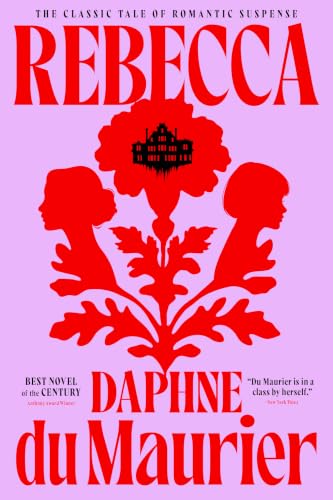
The unnamed young narrator of Rebecca marries the wealthy widower Maxim de Winter and arrives at Manderley, his estate in Cornwall. She hopes to begin a new life, but the house is still shaped by his first wife. Rebecca is dead, yet her name, possessions, and reputation make the new Mrs. de Winter feel as though she’s intruding on somebody else’s marriage. The publisher’s description introduces that central predicament without giving away its answers.
This is the choice for readers who find social discomfort compelling. The narrator has to navigate a household where other people understand the rules better than she does. Even ordinary questions about how to behave can carry the fear of getting something wrong. Her uncertainty gives the setting much of its power: Manderley is impressive, but being allowed to live there doesn’t automatically mean she feels welcome.
Go into this one interested in perspective. What does the narrator know, what has she been told, and what is she supplying from her own fears? Those are useful questions to keep in mind as you read. You don’t need to solve every mystery immediately. Letting an impression remain unsettled is part of the pleasure of a story built around someone’s powerful absence.
Rebecca is the strongest match here if you want suspense rooted in relationships and reputation. Its marriage plot gives you plenty to think about, but expecting a comforting love story would set you up for the wrong book. Pick it for the uneasy gap between the life the narrator imagined and the household she actually enters.
For a book-club conversation, consider who gets to define Rebecca for the newcomer. Different accounts of one person can reveal as much about the speakers as they do about their subject. If that question interests you more than discovering a literal monster, start here.
Mexican Gothic by Silvia Moreno-Garcia: for a visit that turns frightening
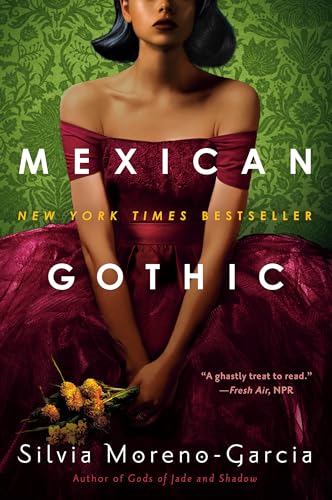
In Mexican Gothic, Noemí Taboada travels to High Place after receiving a worrying letter from her cousin Catalina. The setting is 1950s Mexico, and the isolated English mansion belongs to Catalina’s husband’s family. Noemí arrives with a specific reason to ask awkward questions. She wants to find out what’s happening to someone she cares about, even when her hosts would prefer her to accept their explanations.
Noemí’s background as a fashionable young socialite makes that confrontation especially interesting. She enters the house with habits and expectations of her own. Rather than treating her interest in parties or clothes as the whole of her personality, the premise gives her a problem that requires attention and persistence. The publisher’s synopsis offers a spoiler-light introduction to her visit and its increasingly strange atmosphere.
The house’s history also matters. Moreno-Garcia discusses British mining interests, colonialism, and ideas about racial superiority in her interview about the novel. That background gives the family’s control over its surroundings a broader significance. While reading, pay attention to who has money, who is believed, and whose choices the household tries to limit. Those questions help connect the unnerving domestic details to the book’s larger concerns.
Choose this one when you want the horror to become more physical and overtly supernatural. Its disturbing bodily imagery makes it a different proposition from simply spending time in a beautiful, gloomy house. If your ideal autumn book lets you enjoy unease without that kind of horror, Rebecca may be the better fit of these three.
The rescue premise gives you a clear reason to keep turning pages: Catalina needs help, and Noemí needs information. Resist looking up detailed explanations of the house before you start. Discovering how its separate oddities connect is more rewarding when you can follow Noemí’s investigation without knowing where it leads.
Starling House by Alix E. Harrow: for fantasy, romance, and a complicated home
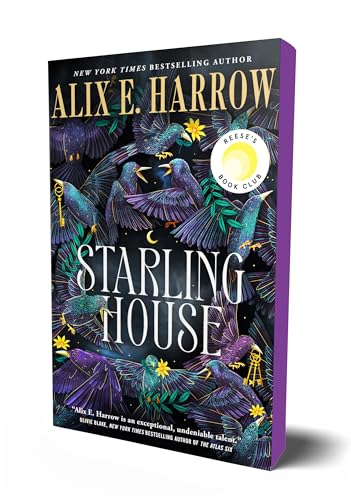
Starling House begins with practical worries as well as a mysterious building. Opal lives in Eden, Kentucky, and wants better opportunities for her younger brother, Jasper. When she gets the chance to work at the town’s notorious house, the money matters. So does the unexpected feeling that this strange place might offer something she’s been missing. The publisher’s page and opening excerpt establish her situation and the house’s connection to a vanished author.
That combination makes the book a good choice if you want a gothic setting with an emotional question at its center: what would it take to have a home? For Opal, security involves more than finding a roof. Her responsibilities to Jasper shape the possibilities she can consider. A tempting opportunity still has to be weighed against the life she’s trying to give him.
Expect fantasy to be part of the story’s machinery. Arthur, the house’s solitary heir, and the dangers surrounding the building belong to a novel where monsters are more than an atmospheric suggestion. There’s also a romance thread. If your reading mood calls for a relationship to develop alongside the mystery, this is the clearest match in the group.
The town deserves attention, too. Eden’s industrial past and the stories people tell about Starling House give you reasons to look beyond the property itself. As you read, notice which accounts are repeated confidently and whose experiences receive less attention. A frightening local legend can tell you something about the community that keeps passing it on.
Start here if you like resourceful characters facing both everyday pressures and extraordinary danger. The combination of sibling loyalty, work, money, and an unsettling place to belong gives you several reasons to care about Opal’s choices. If you would rather keep the focus on a marriage and the uncertainty of human motives, choose Rebecca first and save this for a more openly fantastical mood.
Pick the question you want to follow
You don’t need to read these in any particular order. For Rebecca, the compelling question is how a newcomer can understand a household dominated by the past. For Mexican Gothic, it’s whether a visitor can discover enough to help her cousin. For Starling House, it’s what a dangerous place might offer someone who needs a home.
Choose the question that keeps pulling at you, then give the opening chapters your attention. All three books reward curiosity about people as well as buildings. The house may draw you in, but the character’s reason for entering is what gives you a reason to stay.