None of This Is True or Then She Was Gone? Choose Your Lisa Jewell Thriller
Start with None of This Is True if the question that grabs you is “Can I trust the person telling this story?” Pick Then She Was Gone if you want to follow a mother trying to understand her daughter's disappearance. Both put personal relationships under pressure, but they give you different reasons to keep asking questions.
You don't have to settle which is Lisa Jewell's best book before choosing one. A more useful decision is which situation you want to spend time thinking about: a stranger becoming part of someone's life, or a family still living with an absence. Here's a spoiler-light way to choose, without explaining either ending.
The quick choice
| What draws you in? | Start here | The question to carry in |
|---|---|---|
| Podcasts, personal boundaries and the story someone chooses to tell | None of This Is True | How much access would I give this person? |
| A missing-person mystery with a mother at its center | Then She Was Gone | How do you move forward with so much unanswered? |
| A group discussion about trust | None of This Is True | When does interest become responsibility? |
| A group discussion about family and the past | Then She Was Gone | What changes when an old question becomes personal again? |
Those are starting points for your choice, rather than promises about which ending you'll prefer. If one premise leaves you cold, you can choose the other without working through a ranked list first.
None of This Is True: when someone else's story comes home
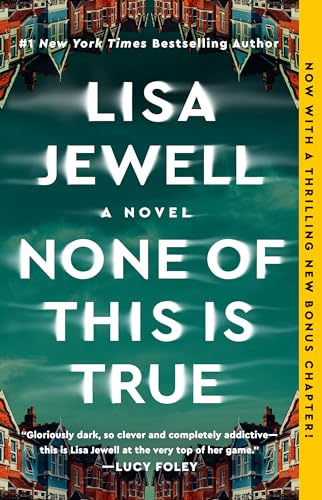
Podcaster Alix Summer meets Josie Fair while they are celebrating their forty-fifth birthdays. Josie proposes herself as a subject for Alix's work. What begins as an intriguing story reaches into Alix's personal life. That's the setup in the publisher's description; the reason to choose it is the uneasy boundary between listening to someone and letting them in.
If you're drawn to stories about trust, that gives you a specific point of interest. Alix's work asks her to pay attention. Her home life gives that attention consequences. You can go in wondering what someone wants from being heard, and what a listener owes a person whose story becomes material.
That also offers a useful way to describe your preference. Perhaps “a twisty thriller” is too broad, but “a story about who gets to shape the account” sounds appealing. You don't need to love podcasts as a format to care about that question. Curiosity, judgment and personal access are familiar problems outside a recording studio.
Choose this one when the interview relationship itself makes you curious. If you already want to know why Alix keeps listening, you have a reason to begin. If a missing-person case is what you really want to follow, the other book gives you that clearer starting point. Browse the exact None of This Is True book page when you're ready to check the edition.
Then She Was Gone: a family living with an unanswered question
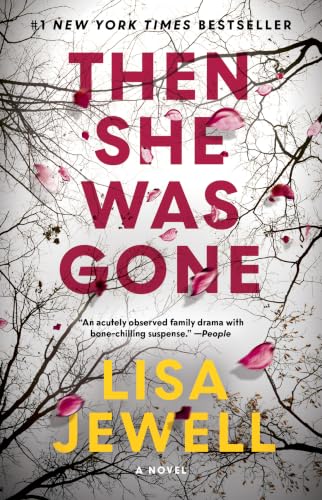
Laurel Mack's daughter Ellie disappeared at fifteen. Ten years later, Laurel begins a relationship with Floyd, whose young daughter resembles Ellie. The publisher's setup brings a long-standing absence into a new relationship. The explanation for that resemblance belongs in the novel, not in a recommendation.
The reader-fit distinction is the mother at the center of the question. If you tend to care first about what a mystery does to a family, Laurel's situation gives you an immediate emotional stake. You can be interested in the missing pieces and in the difficulty of making room for another person while the past remains unresolved.
For your own choice, separate two interests that often get bundled together. One is wanting to solve a disappearance. The other is wanting to stay with someone whose life has been shaped by it. If both appeal, this is a strong premise to sample. If you're only in the mood for the mechanics of gathering clues, read a little before deciding whether the family focus is what you want today.
That isn't a verdict that one book is sadder, faster or more surprising than the other. It's a way to make your preference concrete without disclosing plot turns. Look at the Then She Was Gone book page for the title and edition, then let the opening tell you whether Laurel is the person you want to follow.
A two-sample test if you're still undecided
Use the same small test for both books. Read an opening sample from each, stopping before reviews or discussion guides that might explain later events. Instead of asking which one is objectively better, write down one thing you want answered.
For None of This Is True, your question might concern a boundary: why someone shares, listens or allows more access. For Then She Was Gone, it might concern a connection: how a new person fits into a life already shaped by a disappearance. Use your own wording. The useful result is a question you actually want to carry into another chapter.
You can also check whether you want to spend time with the people as well as discover the answer. That distinction helps when a premise sounds exciting but the opening doesn't suit your current mood. Save the other title for later; choosing one today doesn't require rejecting the other permanently.
Choosing for a book group
Before a group picks, ask everyone which central situation interests them. Keep that conversation at the premise level. It gives people a useful vote without making someone defend a book they haven't read or hear an explanation they would rather discover for themselves.
After reading, questions about judgment, responsibility and relationships can give the discussion somewhere to go beyond whether members guessed a reveal. Agree on a spoiler point before talking about specifics. If the group wants more possibilities first, browse psychological thriller books and compare the situations that catch your attention.
Questions before you choose
Which should I read first?
Choose None of This Is True for the podcast-subject relationship and questions of trust. Choose Then She Was Gone for a missing-daughter mystery approached through her mother's life. This comparison doesn't require a preference for Jewell's other books.
Is None of This Is True a true-crime book?
It's a novel. Its podcast premise isn't a claim that the story is factual reporting. Then She Was Gone is fiction too; both publisher pages identify the books as novels.
Will this comparison spoil either ending?
It stays with the advertised setups and explains the choice they offer. For further research, be careful with ending explanations and reading-group guides, which may assume you've finished.
What if I like both premises equally?
Try the opening-sample exercise. Pick the question you most want answered, or the person whose next decision you want to understand. That's a useful reason to start even when both titles stay on your reading list.