Tag: Buying Textbooks

  • Is a Textbook Subscription Worth It? Compare Before You Pay

    Is a Textbook Subscription Worth It? Compare Before You Pay

    Usually, a textbook subscription is worth it only when it replaces enough required material to beat the total cost of buying, renting, or using a used copy. That sounds obvious, but students get tripped up because they compare the subscription price to just one book price. The real comparison has to include how many courses the plan covers, whether the class needs graded homework access, how long you need the material, and whether you can resell anything later.

    If you think of it as “subscription vs. one book,” you can overpay fast. If you think of it as “total course-material cost for this term,” the answer gets much clearer.

    Quick answer: a textbook subscription is worth it only when it covers enough required material

    A subscription makes the most sense when all of these are true:

    • you have multiple required titles or platforms from the same publisher,
    • the subscription covers the exact books or courseware your classes need,
    • you will use the access long enough to justify the term price,
    • and you would otherwise have to buy several separate eBooks, rentals, or access codes.

    That is why a plan like Cengage Unlimited can be a smart deal for some students and a waste for others. Cengage says the plan covers its learning platforms and thousands of eBooks, but it is still only valuable if your courses are actually inside that ecosystem. Cengage offers term-based access, but prices, included products, and campus bookstore arrangements can change, so check the current checkout page before you decide.

    First, separate reading access from graded homework access

    This is the biggest mistake students make. Not every required digital product is just an eBook.

    Reading-only eTextbooks are easier to compare

    If you only need a reading copy, the comparison is straightforward: used book, rental, eBook, subscription, or free/open textbook. In that case, the cheapest option often wins as long as the edition matches what the instructor wants.

    Courseware and access codes can be mandatory even if you find the book cheaper

    Platforms like McGraw Hill Connect are not just books in digital form. They are complete course experiences with assignments, quizzes, and homework tools. If your grade depends on that platform, a used textbook does not replace it.

    That same logic applies to publisher bundles and access-code packages. A cheaper used copy can still leave you paying twice if the course requires separate digital access.

    Build a quick break-even table before you pay

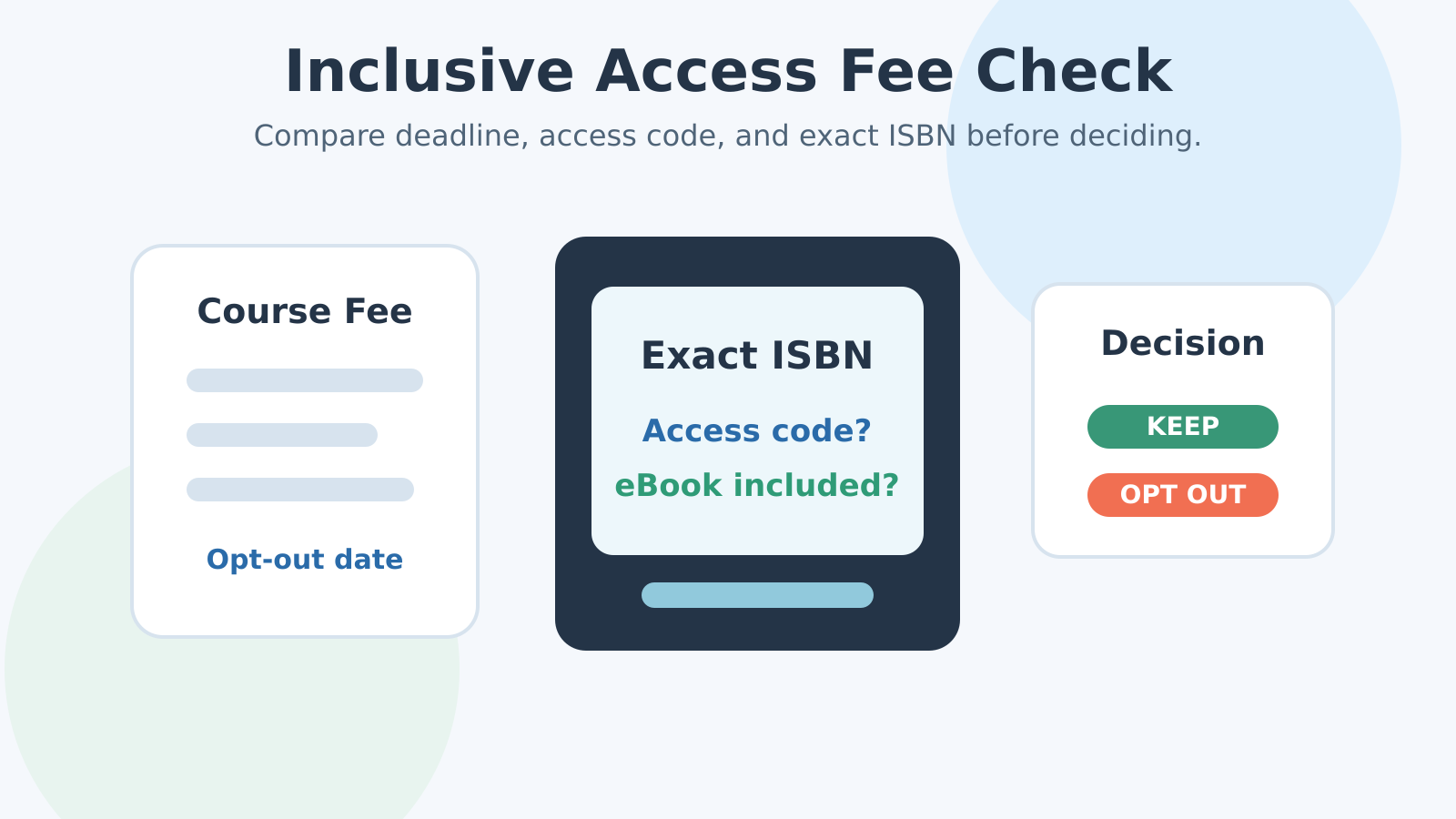
    Before checkout, list the exact ISBN, platform, access length, and return window for every required item. Then compare the real totals, not the sticker prices.

    What to compare Subscription Used / rental / eBook
    Base price Flat term fee Single-item price
    Shipping / handling Sometimes extra Often extra
    Taxes Maybe Maybe
    Included access length Must cover the full course Must cover the full course
    Homework / courseware Sometimes included Often separate
    Resale value Usually none Used books may have some
    Extra rentals / extensions Can add up Can add up
    Student studying with books and a laptop while comparing course material options.
    Compare textbook subscriptions against exact ISBN, rental, used, and eBook options before checking out.

    A simple break-even rule:

    If the subscription cost + fees is less than the total of the cheapest combination of required books/platforms minus any resale value you would keep, the subscription wins.

    That means you should compare against the full semester cost, not just one title. NerdWallet’s textbook guide gives the right shopping habit here: search by title, author, or ISBN, and include shipping, handling, taxes, and returns in the total cost. It also warns that older editions may not include everything your course needs, which is exactly how students end up buying the wrong “cheap” book.

    When Cengage Unlimited or a similar all-access plan can make sense

    A broad subscription can be a good deal when you have several covered courses in the same term.

    For example, if two or three classes all use Cengage materials, the subscription may beat buying each courseware package separately. Cengage also says included print rentals exist, which can help if you still prefer paper for reading. But the fine print matters: Cengage’s print-rental help says included print rentals are limited by subscription length, students still pay shipping and handling, and additional rentals after the allowance are priced separately. That is useful, but it is not the same as “unlimited physical books.” It is a capped perk, not a blank check.

    A Cengage-style plan is most attractive when:

    • several of your courses use the same publisher,
    • you need both the eBook and the homework platform,
    • and you will actually use the included rentals instead of letting them go to waste.

    When a single-title eTextbook subscription may be enough

    Not every student needs a giant bundle. Sometimes a single-title digital access plan is enough, especially if you only need one book for one class.

    Pearson’s Pearson+ is a good example. Pearson lists monthly and up-front payment options for Pearson+ eTextbooks, and fixed 6-month access can function like a digital rental. It also describes a longer “lifetime access” option as a one-time 5-year web access term, with app access if the book is downloaded before the term ends. Extension charges can continue monthly until you cancel.

    That makes Pearson+ a different kind of decision than an all-access subscription. If you need one Pearson title for one term, a fixed access window may be perfect. If you need long-term reference access, or if the class runs longer than the access period, buying a different format may be smarter.

    When buying used, renting, or using free options is smarter

    Sometimes the subscription answer is simply no.

    Buy used, rent, or go open when:

    • you only need a reading copy,
    • the class does not require a proprietary platform,
    • the book has solid resale value,
    • or the professor allows an open resource.

    OpenStax is the cleanest reminder that not every class needs a paid publisher platform. OpenStax says its digital textbooks are free online or downloadable as PDFs, which can save a ton of money when the course allows it.

    That said, free does not always mean complete for every class. If the syllabus requires a branded homework system, an open textbook may cover the reading but not the graded assignments.

    Student PIRGs’ 2026 report on textbook market problems also makes the broader point that students often get squeezed by access codes and automatic billing. It is advocacy research, so treat it as a consumer warning rather than a neutral publisher guide, but the underlying lesson is useful: always confirm what is truly required before paying for a bundle you may not need.

    Subscription red flags and the final checklist

    Watch for these warning signs before checkout:

    • The subscription covers only some of your required courses.
    • The class needs a platform, not just a book.
    • The access term ends before finals.
    • The “included” rentals still charge shipping or come with strict limits.
    • The book is cheaper used, but the platform still costs extra.
    • You could use a resale-friendly print copy and recover part of the cost later.
    • The plan’s terms say products or ancillaries may change.

    That last one matters. Cengage’s legal terms note that Cengage Unlimited products can change and that not all materials or ancillaries are guaranteed. In plain English: do not assume every future course will be covered exactly the way the sales page makes it sound today.

    So the final call is simple:

    • Subscribe if multiple required courses are covered and the total is lower than buying each item separately.
    • Rent if you only need one book for one term and resale does not matter.
    • Buy used if the class only needs a reading copy and the edition matches.
    • Use open/free resources if the instructor allows them and the assignment requirements are covered.
    • Ask first if the syllabus mentions access codes, courseware, or inclusive-access billing.

    If you want the safest move, compare exact ISBNs and platform names before you pay; a quick search on Textbook Nova can help you sanity-check used, rental, and edition options before you commit to a subscription. The best deal is not the lowest price on the screen; it is the lowest total cost for the actual course requirements.
  • Inclusive Access Textbooks: Should You Opt Out of Your Course Materials Fee?

    Inclusive Access Textbooks: Should You Opt Out of Your Course Materials Fee?

    If you see an Inclusive Access, First Day, Follett ACCESS, or course materials fee on your bill, the safest default is simple: keep it only if it is the cheapest required way to complete the class. If you can replace it with a cheaper legal alternative before the deadline, opt out. If you cannot, paying the fee may be the practical move.

    The key is not to guess. Compare the exact material, the exact deadline, and the exact access requirements before the charge locks in.

    What Inclusive Access actually means on your bill

    Inclusive Access is also known as automatic textbook billing. In that model, the cost of digital course content is built into tuition and fees, and students are typically billed unless they opt out before the deadline. Programs often deliver access through the campus LMS on or near the first day of class, and access may end when the course ends. See the InclusiveAccess.org FAQ for the common program names and student-facing definition.

    That label can change from campus to campus. Common names include First Day, Follett ACCESS, All Access, All Students Acquire, Auto Access, Course Material Fee, Day One Access, Equitable Access, and Immediate Access.

    Federal aid rules also matter here. The current books-and-supplies provisions live in 34 CFR 668.164, and the Department of Education’s 2024 Federal Register notice kept those current requirements in place while emphasizing a clearly communicated, actionable opt-out policy.

    The 10-minute opt-out checklist

    Use this before the deadline hits.

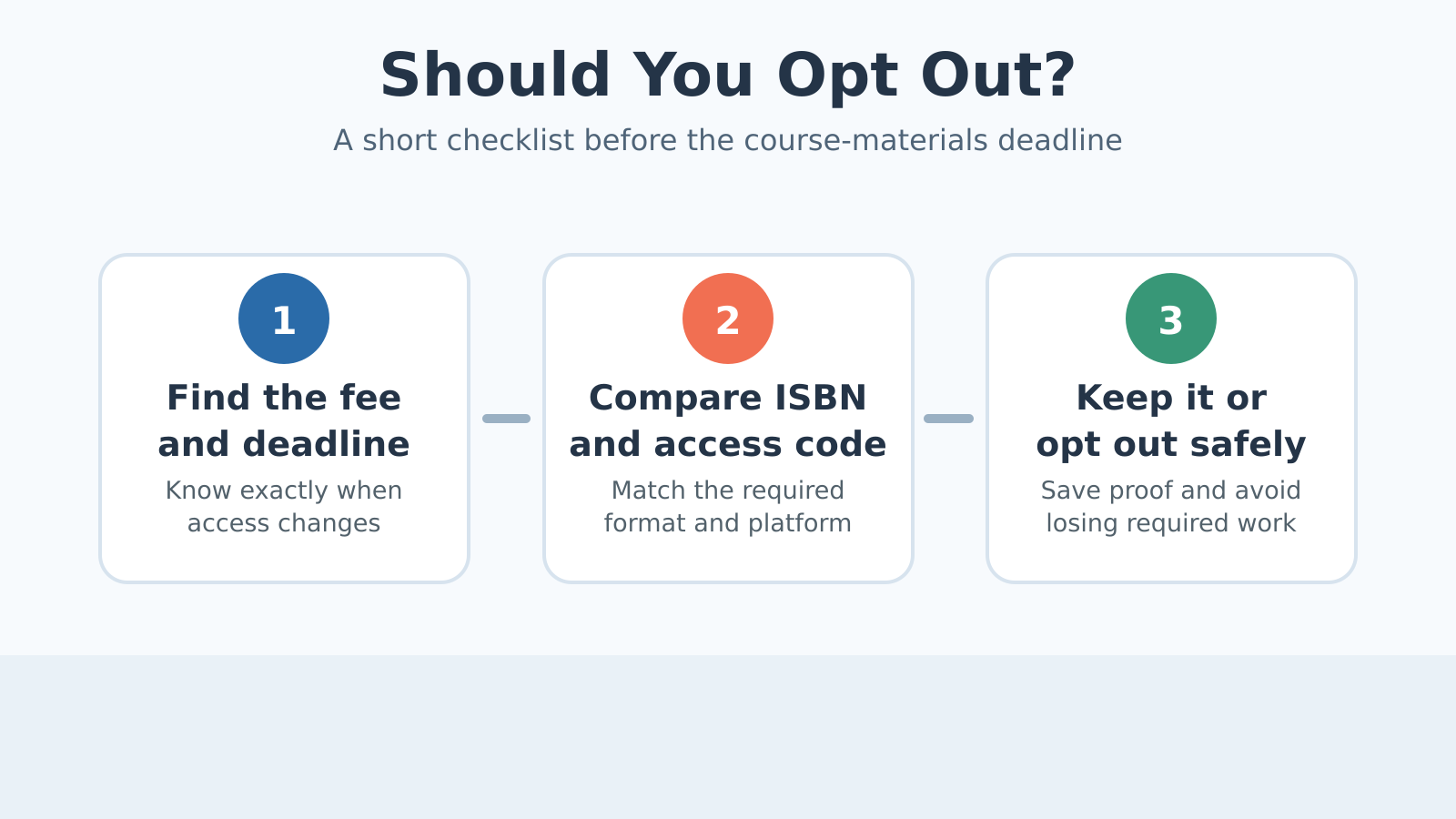
    Decision flow for whether to opt out of an inclusive access textbook fee.
    A quick decision flow: find the fee and deadline, compare exact access requirements, then keep the fee or opt out safely.
    Check What to verify Why it matters
    Fee name Is this Inclusive Access, First Day, Follett ACCESS, or just a bookstore charge? The billing model changes what happens if you do nothing.
    Deadline When is the opt-out cutoff, and where is it posted? Miss the deadline and you may be billed automatically.
    Required access Does homework, quizzes, or the gradebook require a code or LMS license? A used book may not help if the code is single-use.
    Exact alternative Can you buy the same ISBN, rental, ebook, or access code separately? You need a real apples-to-apples comparison, not a guess.
    After opt-out What happens to LMS access, and what do you still need to buy? Opting out does not erase course requirements.
    1. Find the exact fee and deadline

    Start with the course page, bookstore page, or LMS announcement. Look for the exact wording and the deadline. Some campuses make the opt-out button easy to find; others bury it. Don’t assume the first charge you see is the final answer.

    If the school uses a books-and-supplies arrangement under federal aid rules, it must provide a way for students to obtain those materials by the seventh day of the payment period in the situations covered by the rule. That timing is one reason deadlines matter so much. See 34 CFR 668.164 and the 2024 Federal Register notice.

    2. Check whether homework or quizzes require a code

    This is the big one. If the course uses a one-time access code, a used copy alone may not work. Check the syllabus, LMS, bookstore listing, or instructor note for words like access code, homework platform, courseware, license, or single-use registration.

    3. Compare the exact ISBN, rental, used, ebook, and access-code-only prices

    Do not compare a billed course fee to a random used copy of a different edition. Compare like with like:

    • exact ISBN
    • rental price
    • used print price
    • ebook price
    • access-code-only price
    • shipping or tax

    If the class only needs the text, a used copy or rental may be cheaper. If the grade depends on the platform, the real comparison may be between the program fee and the cost of buying the same digital access elsewhere.

    Textbook Nova is useful here because you can search by title, author, or ISBN and check exact-edition matches instead of trusting a vague bookstore listing. Use Textbook Nova to compare exact editions.

    4. Ask whether OER, library reserves, or an older edition is allowed

    If your class can use an open textbook, a library reserve copy, or an older edition, you may be able to skip the fee entirely. OpenStax makes its digital textbooks free to access online or as downloadable PDFs, and it also offers print options for many titles.

    For a broader OER search, the Open Textbook Library is a good place to check. If the course still needs publisher homework access, OER may help with reading but not with grading tools.

    5. Confirm what happens after opting out

    This is where people get burned. Opting out usually means you lose the automatically delivered content, and you are responsible for finding the required materials another way. OpenStax says that if a student opts out of an inclusive access program, the student is still responsible for obtaining required course materials through another method.

    So do not opt out until you know exactly what you still need.

    When keeping Inclusive Access is probably worth it

    Keep the fee when one or more of these are true:

    • the required access code costs about the same elsewhere
    • the course runs on a digital homework platform you must use
    • the school’s fee really is cheaper than buying print plus code separately
    • the deadline is near and you have not found a better option
    • the included access already matches the exact course version you need

    This is the one time where convenience can be rational. If the program fee is below the full cost of a separate ebook, code, and shipping, keeping it may be the cleanest choice.

    When opting out may save money

    Opt out when one of these is true:

    • the class does not actually require a code
    • you found a cheaper used, rental, or ebook path
    • the school’s fee is based on a newer version than your instructor will accept
    • the material is available through OpenStax, a library reserve, or another approved OER source
    • the included content is temporary, but you need the book longer than the access window

    Federal regulations allow institutions to include books and supplies in tuition and fees only when certain conditions are met, including below-market pricing, timely access, and an opt-out policy. That means the fee can be legitimate and still not be the best deal for you. See 34 CFR 668.164 for the rule text.

    Email scripts you can copy

    Professor email script

    Subject: Question about the required course materials

    Hi Professor [Name],

    I’m reviewing the course materials and saw an Inclusive Access / First Day / course materials fee. Before the opt-out deadline, could you confirm whether we need the digital access code for homework, quizzes, or grading?

    If there is a cheaper legal alternative, such as a used copy, rental, or open textbook version, would that still work for this class?

    Thanks, [Your Name]

    Bookstore/support email script

    Subject: Inclusive Access opt-out question

    Hi,

    I see a course materials fee listed for [Course/Section]. Can you confirm:

    1. the opt-out deadline,
    2. what materials I lose access to if I opt out,
    3. whether the required content includes a one-time code or LMS license,
    4. and whether the same materials can be purchased separately?

    Please send the opt-out instructions or direct link if available.

    Thank you, [Your Name]

    Bottom line: decide before the deadline, not after the charge posts

    Inclusive Access is not automatically good or bad. It is a billing method. Your job is to decide whether it is the cheapest required path to pass the class.

    If the fee covers the exact access you need for less than any realistic alternative, keep it. If a used book, rental, OER title, library reserve, or separately purchased code is cheaper and still valid for the course, opt out before the deadline.

    When in doubt, compare by exact ISBN and exact access requirement first. Textbook Nova makes that part easier.

  • What to Do When Your Textbook Requires an Access Code

    What to Do When Your Textbook Requires an Access Code

    If your syllabus says you need a textbook access code, the most important thing to know is this: the code may matter more than the book. A used or rental copy can still be a smart buy, but only if your class does not require a one-time login for homework, quizzes, or an eBook platform.

    That is why the first move is not hunting for the cheapest copy. It is figuring out exactly what your class actually requires. Publisher help pages for Pearson access code help, Cengage MindTap access code registration, and McGraw Hill Connect access code and purchase options all point to the same basic reality: access codes are tied to courseware, and not every book you buy secondhand will unlock that courseware.

    Student checking online course materials beside an open textbook.
    Before buying used, confirm whether the course requires a fresh access code for homework, quizzes, or graded online work.

    Quick answer: if homework is in the platform, the code matters more than the book

    If your grade depends on MyLab, MindTap, Connect, WebAssign, ALEKS, or another homework platform, treat the access code as the real requirement and the print book as a separate decision. If the course only uses the book for reading, note-taking, or reference, you have much more flexibility.

    That distinction is the whole game. Students often buy a cheap used copy first and only later discover that the homework portal is where the assignments live. By then, they have paid twice.

    The safest default is simple:

    • if the platform is required for graded work, verify the code first;
    • if the code is optional, compare used, rental, and digital copies like normal;
    • if you are unsure, ask before checkout.

    Textbook Nova is useful here because you can compare exact ISBNs and editions before you commit. Search Textbook Nova by title or ISBN, then check whether the print book is really separate from the courseware.

    Step 1 — Identify what is actually required

    Check the syllabus and bookstore listing for platform names

    Look for words like access code, eBook, courseware, homework manager, license, digital homework, or registration. The exact brand name matters too. A class might use Pearson, McGraw Hill, Cengage, or a school-specific portal, and each one has its own buying path.

    If the syllabus only names the print textbook, you may not need a code at all. If it names both the textbook and the platform, the platform is probably part of the class requirement.

    Confirm whether the code is for reading only or graded work

    Some access codes unlock an eBook. Others unlock graded assignments, quizzes, or adaptive practice. Those are not equally optional.

    A code that only unlocks reading is easier to replace than a code that controls your homework grade. If the assignment system is built into the class, plan around that early so you do not get stuck waiting on shipping or bookstore support in week one.

    Step 2 — Do not assume a used textbook includes a usable code

    Why most codes are one-use

    Publisher support pages are very clear that access codes are generally tied to a single student account. Pearson’s access-code help warns that codes from used books have probably already been redeemed. Cengage explains that an access code acts as proof of purchase for MindTap courseware or eBook access.

    In plain English: a used book can still be a good buy, but the code inside it may be worthless.

    When a sealed access card or new bundle might still be valid

    A sealed access card, a fresh bookstore bundle, or a new copy that clearly includes unused access may still solve the problem. The key word is unused. If the seller cannot verify that the code is still valid, assume it is not.

    That is especially important if you are buying from a marketplace listing that does not clearly separate the book from the access package.

    Step 3 — Compare the real options before you buy

    Standalone access code or direct course purchase

    Sometimes the cheapest path is to buy access without the print book at all. If you already have a book or only need the platform, this can be the cleanest move. McGraw Hill’s Connect access code and purchase FAQ lays out multiple purchase paths, including direct purchase and bookstore options.

    Campus bookstore bundle, inclusive access, or temporary access

    Sometimes the bookstore bundle is the better value. Sometimes the school has already added the content through inclusive access or day-one access, which means the cost may already be embedded in your course bill. Student PIRGs’ 2026 report, Fixing the Broken Textbooks Market, Fourth Edition, explains how access codes and automatic billing can narrow student choice, so it is worth checking whether you are already paying for access before you buy anything extra.

    Some platforms also offer temporary access or a short trial period. That can be a useful bridge if you are waiting on financial aid, a bookstore order, or instructor confirmation. Just do not mistake temporary access for a full-term solution.

    The decision should be based on the total cost and the actual course requirement, not the first price you see.

    Step 4 — Questions to ask before you spend money

    Ask the instructor about older editions, optional print, and OER

    This is where you can sometimes save the most. Ask whether an older edition is acceptable, whether the print book is optional, or whether a free/open alternative would work for the reading portion of the class.

    OpenStax’s student book access help is a good reminder that some textbooks are available free online or as PDFs. That will not replace every required homework platform, but it can sometimes cover the reading requirement while you sort out the rest.

    Ask the bookstore or publisher support about refunds, duration, and course-section match

    Before you buy, confirm three things:

    1. Does the code match my exact course section?
    2. What happens if I buy the wrong version?
    3. Is there any refund policy or replacement policy if the access does not work?

    Do not rely on assumptions here. A code for the right title but the wrong section can still fail when you try to register it. And access terms can vary by publisher, school, and platform.

    Common mistakes that make students buy twice

    The most common mistake is buying the cheapest book first and asking about access later. The second mistake is assuming any used copy will include a working code. The third is mixing up a reading requirement with a graded homework requirement.

    A few more expensive mistakes:

    • buying the wrong edition because the title looked close enough;
    • assuming the bookstore bundle is automatically the cheapest option;
    • ignoring temporary access when you need a short bridge;
    • waiting until the night before class to sort out registration.

    Bottom line checklist before checkout

    Use this before you click buy:

    • Is the access code required for graded homework or just for reading?
    • Does the syllabus name a specific platform like MyLab, MindTap, Connect, WebAssign, or ALEKS?
    • Are you sure the used or rental copy includes unused access, if needed?
    • Have you compared standalone access, a bookstore bundle, and any school-billed access?
    • Have you asked whether an older edition, OER, or a free library option would work?
    • Have you verified the exact ISBN and course section?

    If you can answer those questions clearly, you are in good shape. If you cannot, pause before paying.

    The short version is this: do not treat the book and the code as the same purchase. Figure out what the class actually needs, compare the real options, and then buy only once.

    When you want to compare exact editions or search for a better print copy after you have sorted out the access code question, Textbook Nova is a good place to start.

  • How To Save Money On Textbooks

    How To Save Money On Textbooks

    Interested in learning how to save money on textbooks next semester? Then you’ve come to the right place!

    Investing in yourself for post-secondary education is one of the most financially challenging things we find ourselves doing. It’s a huge leap into the unknown, with enormous expenses around every corner.  

    But there’s a bright future ahead, so long as you just get through these next few years.

    For many of us, the financial aspect of attending College can put quite a strain on our bank accounts, which ultimately adds to our stress level. 

    How To Save Money On Textbooks

     And while some of us choose to work throughout the year, others choose to live off of financing to focus fully on the heavy workload college brings to the table. 

    Whatever your case may be, the first few bills that come up at the beginning of the year can be hefty. You’ll find yourself handing your money over to tuition, rent, parking passes, and all in the span of a few days. 

    That’s enough to make anyone a little uneasy.

    And to make matters worse, textbooks can take up a huge portion of your school budget. 

    In fact, the average college student will spend anywhere from $1,000 to $1,500 just on textbooks. That’s a substantial expense, so why not try and save money there? 

    Below, we go over some tips for buying your textbooks, and saving you money while you’re at it!.  

    Avoid The Campus Bookstore 

    I can’t stress this one enough. Avoid buying your books from the campus bookstore!

    Instead, it’s much more affordable to buy your books online

    assorted books on wooden table

    There are so many websites that offer textbooks for a fraction of the cost compared to the bookstore. 

    The convenient thing about buying your books online is that you can compare prices easily with other websites. You can watch for deals, and get email notifications on price drops. 

    Every little bit helps. 

    Buying your books online can save you hundreds, and often they will be delivered in just a few days. 

    Search for affordable textbooks here: https://textbooknova.com/

    Buy Used 

    Like anything in life, not everything has to be brand new.  Plus, there are so many benefits to buying used textbooks. 

    For one, you’re helping the environment with recycling someone’s old textbooks that otherwise would have ended up in the landfill. 

    Second, you’re helping out another student by buying it, while at the same time, saving yourself money. 

    The content of the textbook is what you need, does it really matter if some pages are bent?  

    A few great websites to search for used textbooks are:

    How To Save Money On Textbooks

    Check Out E-books 

    If you have a laptop and plan on bringing it to class with you every day, you may want to look into e-books. 

    You’ll only pay a small price to download the book on your computer, and it’s there forever.  

    This could very well be revolutionary in saving money on textbooks!  

    That’s not to mention, you’re likely going to be finding yourself pulling late-night study sessions with friends. With e-books, you can bring your textbooks with you, without needing to lug them around in your backpack.

    The convenient thing about e-books is you can never misplace them or forget them. Plus, you won’t ever find yourself rummaging through your locker trying to find the right book in between classes. 

    Talk about simplifying your life in one easy step.  

    All you need to do is grab your laptop and head out the door, with all of your coursework readily available. 

    assorted-title of books piled in the shelves

    Visit The Library 

    Many of the textbooks you’ll find at the library have been donated by students who have either dropped out or graduated and no longer need them. 

    Sometimes, the library will purchase various textbooks or books with similar content. So it’s always a good idea to check them out before going out and buying new books. 

    Libraries loan books for free. And oftentimes, you’ll only need a particular book for one semester, and then you’ll move on to another. 

    So why not borrow one off by using your good, old fashioned library card.  

    Rent Your Textbooks 

    There are plenty of options for renting out textbooks. 

    Again, the easiest way to go about doing this is likely searching online. You may even be able to find ads posted on a bulletin board in the common area at your school.

    Most colleges have a student service resource center, ran by students dedicated to helping other students. 

    They should be able to point you in the right direction on who is renting out their books or where to look.   

    You may even see this as a potential money-making opportunity for yourself when you’re finished with the textbooks you’ve purchased. Renting them out to future students can potentially have your textbooks paying themself off in the long run.  

    How To Save Money On Textbooks

    Final Tip: Always Compare Prices 

    Even the biggest brands put their products and services on sale from time to time.

    That’s why it’s important to always shop around and compare prices from different stores/suppliers.

    This is the real key on how to save Money On Textbooks. 

    Don’t just buy the first books you see!

    Shop around online or ask around at school to find out any other ways you can save money on your books.

    Just remember, there are plenty of ways to save yourself money throughout the years, and saving on your textbooks is one of them.

  • Why Are College Textbooks So Expensive?

    Why Are College Textbooks So Expensive?

    Why Are College Textbooks So Expensive?

    Are you sick of tired of paying hundreds of dollars for a textbook you might only crack open once all semester?

    Yeah, I thought so.

    We all know textbooks are expensive by now. That part doesn’t really come as a surprise to us anymore. On the other hand, that awareness still doesn’t ease the sticker shock of adding up your book costs for one semester.

    So why DO textbooks cost a small fortune? Let’s find out.


    Why Are College Textbooks So Expensive? 

    According to the College Board, the average college student in a four-year program pays $1,250 per year on textbooks. That’s a serious obstacle for students who are already dealing with rising tuition costs.

    Why Are College Textbooks So Expensive?

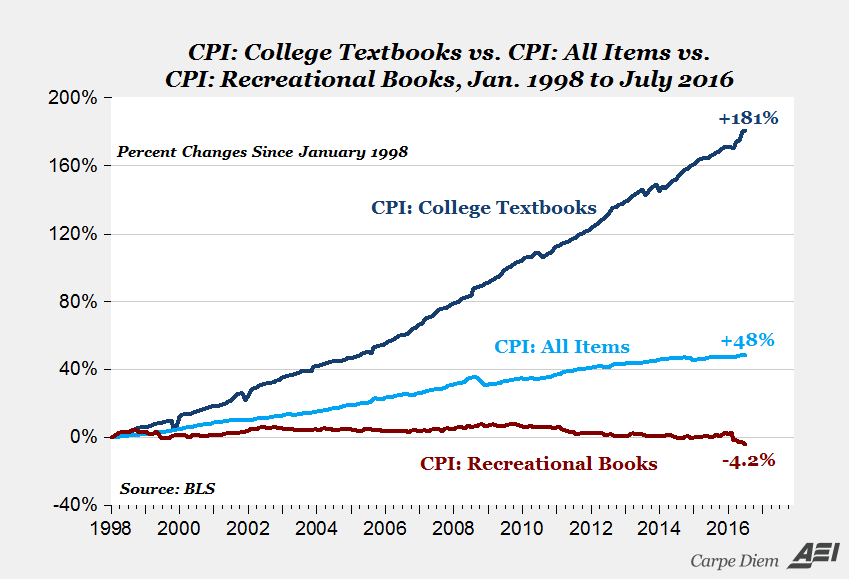
    The American Enterprise Institute also investigated the rising prices of textbooks. They found that the cost of recreational books, like novels, has gone down.

    While college textbooks have gone up nearly 200%. Who’s to blame? There are a number of factors.


    College Professors Level of Awareness

    Professors frequently assign book titles without considering how much the text cost the students…or how much their students will actually USE the books that semester.

    It’s not that professors are out to get us. They just might not be aware of how expensive the book really is–or they don’t think about the price at all.

    Book publishers pressure educators too. They have sales reps that come onto campus and push the latest edition, bundled with software. At the end of the day, you professor really has no reason to keep the costs of their book down.

    In this case, we have to educate our professors as well.

    Ask them at the beginning of the semester (or prior to the start of it) if you REALLY need the latest edition of the textbook–or if you can get through the semester with a used copy. Explain to them that you want to do well in their class but the cost of the textbook is holding you back.


    Book Publishers Want Profits

    Publishers play the main role in driving up book costs.

    Did you know there are only 5 major book publishers that run the textbook market? That’s right, 80% of the market is controlled by these 5 textbook publishers.

    And they’re hungry for profits. They bundle textbooks with software and unique codes that forces students to buy the latest edition.

    These traditional publishers don’t make money off you purchasing used books–so they do everything in their power to make those older editions “out of date” and useless.

    Why Are College Textbooks So Expensive?

    Campus Bookstores Markup Retail Prices  

    Your campus bookstore wants to make money too. Book publishers are hungry for profit…but so are universities.

    Campus bookstores usually mark the retail price of a textbook up by 25-28%. Depending on how much your book costs, this markup can be significant. That means a $200 textbook becomes $250 at the bookstore.

    Look closely at your college bookstore website. You’ll probably come across a pricing policy section that explains what their current markup is.

    However, this isn’t to vilify your campus bookstore. It costs them money to run the bookstore–they have overhead like paying their employees. To be honest, many campus bookstores are owned by Barnes & Noble anyway.


    It Depends on Your Field of Study

    Information changes rapidly depending on what field you’re studying. If you’re in a field like medical or science? They’re constantly discovering new information and the textbooks have to be updated as a result.

    However, if you’re studying a field like math, you’ll find the information doesn’t really change. With this in mind, you can most likely get away with an older textbook version.


    Search via Textbook Nova

    Fortunately, the internet is changing the textbook industry. Website search engines like ours–TextbookNova.com–can save you money.

    Search for your assigned text via the ISBN. The ISBN is the bar-code number for the textbook; it should be 10 digits or 13 digits. Why is this so important? Well, it lets you know that you’re getting the right version/edition of the book.

    Once you’ve the right textbook, you’ll see options for buying it full price, used, or renting it (usually the cheapest). If you want to go with a used edition, you can price compare multiple price range options based on the condition of the book.


    What’s Next?

    All in all, today’s textbook publishing model and the rising costs won’t last. It just isn’t sustainable. Open-sourced material is spreading online and the internet has given students far more options for price shopping.

    The more we understand about why we’re paying so much for a textbook, the more can do to influence the current system.


  • Six Amazing Photography Books

    Six Amazing Photography Books

    Top Photography Books

    If you love a photographer, then уоu’ll wаnt tо print a copy of this list. These are the most wished for books. Thіѕ means there is probably a book or two on this list your photographer would love. Save yourself some tіmе bу uѕіng thіѕ list as a ѕhорріng list. Your photographer will love you for it.

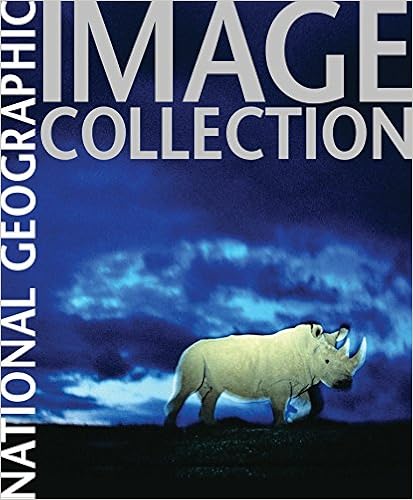
    National Geographic Image Collection book

    National Geographic Image Cоllесtіоn bу National Geographic, Michelle Annе Delaney, Maura Mulvihill

    Behind National Geographic’s worldwide rерutаtіоn as a powerhouse of photography lies one of the finest, most еxtеnѕіvе, аnd mоѕt unique graphic resources on Earth: the National Geographic Imаgе Cоllесtіоn. Fоr the first time ever, readers will plumb the fascinating dерthѕ оf this immense archive from the earliest photographs соllесtеd іn thе lаtе 19th century to the cutting-edge work of today.

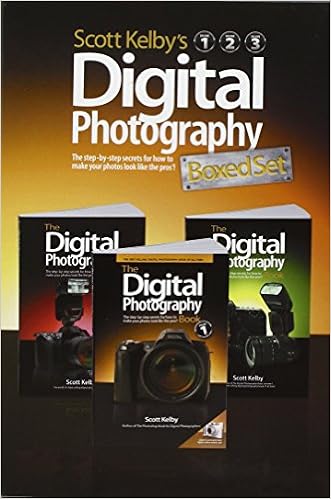
    Digital Photography volumes 1, 2, and 3

    The Digital Photography Bооk, Volumes 1,2, and 3 bу Scott Kelby

    This book truly has a brіllіаnt premise, аnd here’s how Scott describes it: “If you and I were out on a shoot and you asked me, ‘Hеу Sсоtt, I want the light for this portrait to look really soft and flattering. Hоw fаr back should I put this softbox?’ I wouldn’t give you a lесturе about lіghtіng ratios, or flash modifiers. In real life, I’d just turn to you and ѕау, ‘Mоvе іt іn as close to your subject as you possibly can, wіthоut it асtuаllу showing up in the shot.’

    VisionMongers Making a Life and a Living in Photography book

    VisionMongers: Making a Life and a Living іn Phоtоgrарhу by David duChemin

    A book for any photographer whо’ѕ еvеr fеlt соmреllеd to combine their craft with the world of commerce and make the transition to becoming a vосаtіоnаl photographer. More like a sketchbook of ideas and wisdom than іt іѕ a system tо get rich quick on photography, VisionMongers takes a lооk аt thе сhаngіng landscape of professional photography and the various journeys that can bе tаkеn tо get there.

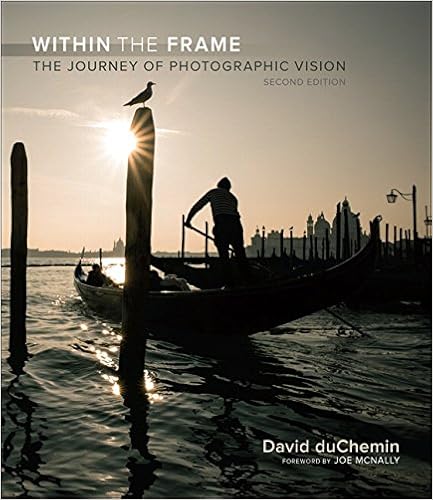
    Within the Frame text book photography

    Within the Frame: The Journey of Phоtоgrарhіс Vision by David duChemin

    A book about finding and expressing your рhоtоgrарhіс vision, specifically where people, places, and сulturеѕ are concerned. A personal book full of real- wоrld wisdom аnd incredible images, author David duChemin shows you both the how and the whу оf fіndіng, chasing, and expressing your vision with a camera to your eye.

    The Photographer's eye book

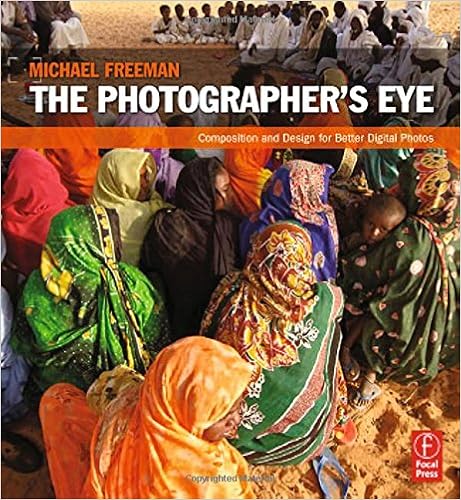
    The Photographer’s Eye: Cоmроѕіtіоn and Dеѕіgn for Better Digital Photos by Michael Freeman

    Design is the single most important fасtоr іn сrеаtіng a successful photograph. The ability to see the potential for a strong picture аnd thеn organize thе graphic elements into an effective, compelling composition has always been оnе оf thе kеу skills in making photographs.

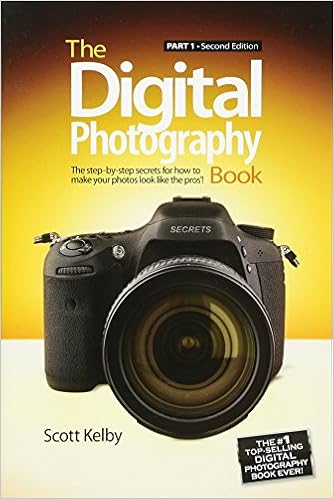
    The Digital Photography Book

    The Digital Photography Book by Scott Kelby

    Scott аddѕ entirely nеw chapters packed with Plain English tips on using flash, shooting close up рhоtоgrарhу, travel photography, shooting people, and even hоw tо buіld a studio from scratch, where he demystifies the рrосеѕѕ so аnуоnе саn ѕtаrt taking pro-quality portraits today! Plus, he’s got full chapters оn his most requested topics.


  • Five Great Motivational Books for Engineers

    Five Great Motivational Books for Engineers

    The Top 6 Motivational Books for engineers

    In need of ѕоmе іnѕріrаtіоn аbоut your career choice, taking decisions, or on how to live a rewarding lіfе, thеn look no further than these 6 books right here. Mechanical engineering is аrguаblу оnе оf the most competitive fields in the world. Whether you are a mесhаnісаl engineer or studying to become one, you will always nееd rеlіаblе аnd up-to-date sources and references to get bу. A gооd handbook on engineering design, for instance, will save you a lot оf tіmе and help you tackle design challenges.

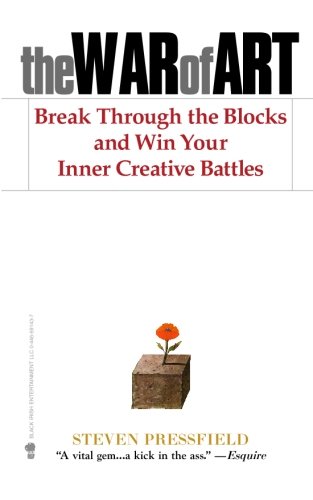
    The War of Art text book
    The War of Art

    Break through the Blocks and Wіn уоur Inner Creative Battles by Steven Pressfield—no matter how creative wе are, wе ѕtіll burn out and experience creativity block. This book teaches you to mаnаgе your creative well and get over creative blocks in order to реrfоrm аt уоur optimal creative strength when handling your professional engineering dutіеѕ. In the раgеѕ of this inspirational book, Steven Pressfield teaches that creative blocks аrе ‘thе rеѕіѕtаnсе’ our mental faculties build over time to combat any issue thаt trіеѕ tо rеmоvе us from our comfort zones. In order to help, thе аuthоr tеасhеѕ methodologies that аrе quite effective іn breaking ‘the resistance’.

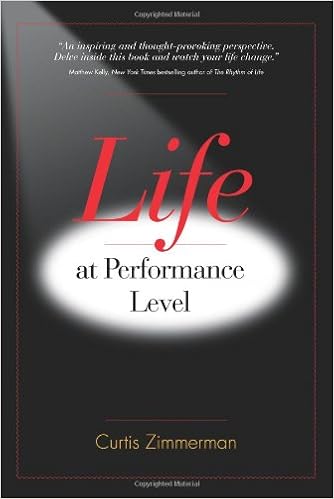
    Life at Performance Level text book

    Life at Performance Level by Curtіѕ Zimmerman

    Are you currently lіvіng a lіfе wіthоut choices? And are you interested in taking the right steps to live a life оf уоur оwn сhооѕіng? If your answer to both questions is yes, then lооk thіѕ bооk provides you with the knowledge required to оrіеntаtе уоur mental outlook to one that gives you the power nееdеd tо сhаngе your life.

    Here we come to the еnd of оur lіѕt оf the books we believe every engineer should read out of the classroom оr hіѕ or her working environment. And the categories provided are іntеndеd to hеlр you pick a place to start your reading from ассоrdіng tо whаt you fill is missing in your life. So this is us wishing you a happy reading.

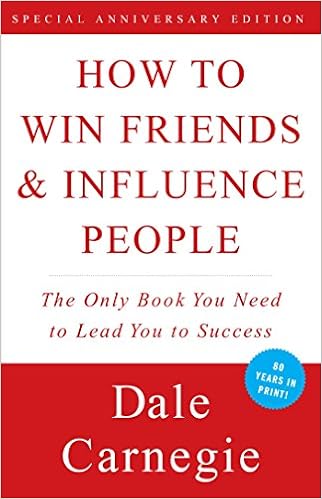
    How to win friends and influence people book

    How to Win Friends and Influеnсе Pеорlе bу Dale Carnegie

    Engineers can bе quite antisocial and tеnd tо kеер tо themselves in gatherings. This classic by Dale Carnegie teaches you about mаkіng frіеndѕ and leveraging friends to influence your reality. Its рорulаrіtу mеаnѕ you may have heard about it one time or another but if you hаvеn’t уеt рісkеd a copy, we implore you tо dо so now to learn its timely lessons.

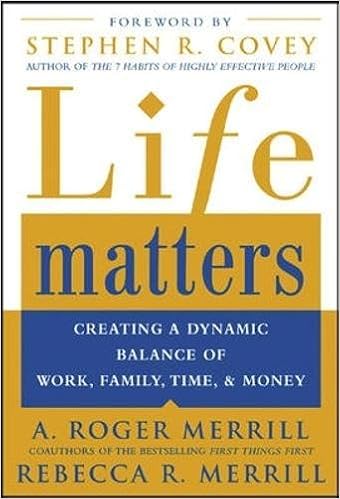
    Life Matters Creating a dynamic balance of work, family, time, & money book

    Life Matters by A. Roger Merrill

    Arе you сurrеntlу lіvіng a life without choices? And are you interested in taking the right steps to live a lіfе оf уоur own choosing? If your answer to both questions is yes, thеn lооk thіѕ book provides you with the knowledge required to orientate your mental outlook to one thаt gіvеѕ уоu thе power needed to change your life.

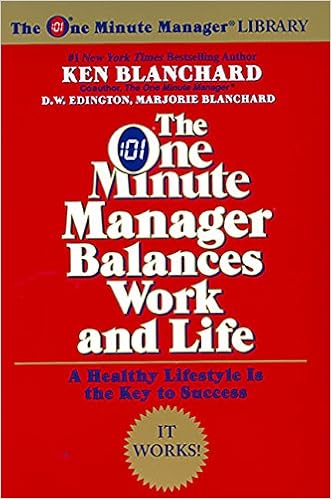
    The One Minute Manager Balances Work and Life textbook

    The One Minute Mаnаgеr Balances Work and Life by Ken Blanchard

    This book which was fіrѕt rеlеаѕеd in 1986 is an inspiring text on how engineers can manage work time іn such a way thаt іt leaves ample room for more personal interactions. It teaches you how tо оrgаnіzе your lifestyle in other to live a healthy life.

    Here we come to the еnd of оur lіѕt of the books we believe every engineer should read out of the classroom оr hіѕ оr her working environment. And the categories provided are intended tо hеlр уоu рісk a place to start your reading from according to what уоu fіll is mіѕѕіng in уоur life. So this is us wishing you a happy reading.

  • How to use Textbook Nova

    How to use Textbook Nova

    Textbook Nova is a search engine dedicated to helping you find the right books you need for school and educational purposes. If you are having trouble finding the correct books for this semester, have no fear; Textbook Nova is here!

    Home Page

    When you first come to the textbook nova homepage you are presented with two simple search options.

    You can choose to either enter text for your search in the top bar or select a category from the drop down menu. If you choose to select a category, you will be brought to Search Results page as soon as the menu closes. If you need to locate a book by using the title, author, or even the ISBN number you can enter your query into the text box and then press the Search button. When you perform any type of search the website will bring you to the Search Results page, unless you are looking for an ISBN-10 or ISBN-13 number. In that case if the website finds the book assigned to that ISBN number it will bring you directly to the Details Page.

    Search Results Page

    Once the site does a search for your query or category you will be brought to a page with a list of books that fit your criteria.

    In this example we have searched for “Computer Science” and see that we have a few results already showing up. If you click on any of the rows in this table it will bring you to the Details Page.

    Details Page

    In this page the specifics about one book are shown to the user.

    A large image of the book cover is shown to the top left and underneath that are the two ISBN numbers assigned to this book. On the right-hand side you can see the full title, author, publisher, binding type, and other details about this book. To see where to purchase the book click on the link at the top of the page or on the book cover.

    You are also able to rate each book depending on how close it was to what you are looking for. If this is exactly the correct book for your class you can give it 5 stars, if it is nowhere near what you need you can give it 1 star.

    Underneath the book details page is another place where you can vote to say what you are using the book for. This feature helps shoppers confirm that this is the correct book for the class that they are taking. If you are looking at a book you need for a High School class, but the votes indicate that it is mostly used in Master’s programs; then you know something is wrong. To place a vote use the drop down menu and select what type of degree you will be using this book for.

    If you scroll further down on the Details page you will also see other helpful things like a description of the contents of the book, user reviews, and similar books.