Books Set in Winter: Choose Wonder, Isolation, or Suspense
A snowy setting can promise very different kinds of reading. You might want the hush of a forest, the ache of people who cannot escape each other, or a remote house where someone has a reason to lie. Choosing by that feeling is more useful than treating every winter novel as a cozy read.
These three books give you a clear place to start: The Snow Child by Eowyn Ivey for wonder mixed with hardship, Ethan Frome by Edith Wharton for a short, bleak classic, and The Hunting Party by Lucy Foley for a gathering that turns dangerous. They share cold landscapes, but the experience you’re signing up for changes considerably. Here’s how to find the one that fits your evening.
Choose your winter mood first
Before comparing plots, decide what you want the cold to do. Should it make the world feel mysterious, make the characters’ circumstances feel tighter, or keep the suspects within reach?
- Wonder: Start with The Snow Child if a fairy-tale mystery woven through everyday hardship sounds inviting.
- Isolation: Choose Ethan Frome if you’re in the mood for a concentrated story about desire, duty, and limited choices.
- Suspense: Try The Hunting Party if you’d rather watch old friendships become grounds for suspicion.
None is a promise of uncomplicated comfort. That doesn’t stop them being good winter companions; it just helps to know whether you want to feel absorbed, unsettled, or eager to solve something. Save the gentlest reading mood for a book that actually offers it.
The Snow Child: wonder with something fragile underneath
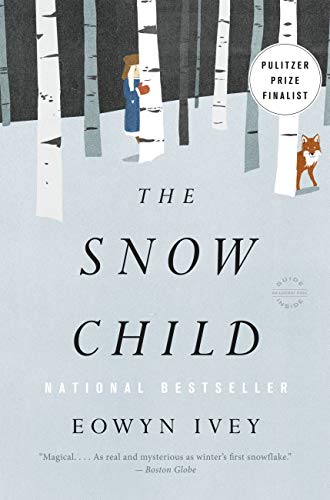
In The Snow Child, Jack and Mabel are trying to build a life in Alaska in 1920. The work is punishing, and their loneliness has opened a distance between them. During a snowfall, they make a child out of snow. By morning it has disappeared, and a girl begins appearing in the woods. That is the premise established in the publisher’s description, and it’s enough to understand the book’s pull without explaining away its mystery.
The girl’s name is Faina. She seems at home in a landscape that the adults struggle to inhabit. For Jack and Mabel, her arrival brings the possibility of connection, alongside questions about who she is and what it means to care for her. The contrast matters: the setting can look magical while the life being lived there remains demanding.
Pick this one when you want to sit with that tension. The interesting question isn’t simply whether something supernatural has happened. It’s also why a couple would need to believe in the possibility of a changed life, and how hope can make uncertainty harder to bear. Those are useful questions to carry into a reading session without hunting for an early answer.
This is the strongest choice here for someone drawn to a landscape and an emotional bond. Give it room to be both lovely and difficult. A snow child and a forest do not make it a children’s story, and the fairy-tale premise should not be taken as a guarantee of a comforting outcome.
If what you really want tonight is a puzzle with a circle of suspects, move to The Hunting Party. If you want wonder that sits beside loneliness rather than erasing it, stay here.
Ethan Frome: a winter that makes the world feel smaller
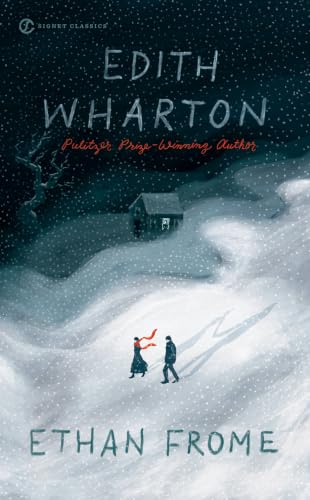
Ethan Frome is the choice for a reader who wants winter to sharpen a story’s emotional pressure. Ethan lives in rural New England with his wife, Zeena, and develops feelings for her young cousin, Mattie Silver. Poverty, illness, household obligations, and desire occupy the same small world. Scribner’s description and opening excerpt make the bleak setting and tragic direction clear.
The winter landscape is worth attending to as you read. In the opening, the village’s snow and cold light establish both beauty and separation. Rather than treating those details as a scenic introduction to get through, notice how they sit beside Ethan’s attention to Mattie. What feels alive to him, and what makes daily life feel fixed? You don’t need a literary-theory vocabulary to follow that contrast.
This is a different kind of isolation from a thriller’s closed circle. The pressure comes from circumstances and relationships, so a reader looking for constant external action may prefer Foley. Here, a conversation, an obligation, or an imagined alternative can be the reason to keep reading. The smaller scale makes it a useful choice when you’re curious about a classic but don’t want to begin with a sprawling cast.
The Signet edition listed by Penguin Random House runs 192 pages. That’s an edition-specific count, not a promise that every copy has the same length or that everyone will finish it in one sitting. Leave enough attention for the language instead of turning brevity into a race.
Choose it for an evening when bleakness is part of the appeal. If you’re seeking reassurance or an easy romantic escape, this is the clearest mismatch of the three. Its attraction is the intensity of the situation, not the prospect of a relaxing visit to a snowy town.
The Hunting Party: old friends, a remote lodge, and a murder
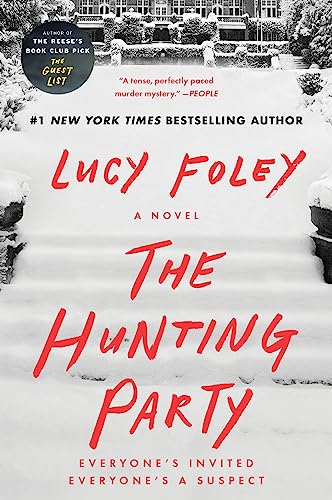
For the suspense mood, pick The Hunting Party. Lucy Foley brings old friends together at a remote hunting lodge in the Scottish wilderness for New Year. A murder turns that gathering into a much more threatening proposition. The holiday reunion and the crime are both part of HarperCollins’ publisher synopsis; the identity of the victim and the solution are best left for the novel.
This is the pick for readers who enjoy asking what a group knows about itself. Shared history can make a reunion look reassuring from the outside: these people have known one another for years. It can also supply the reasons a conversation feels loaded. Familiarity gives you something to question rather than something to trust automatically.
The remote winter setting makes that premise especially appealing when you want an enclosed reading experience. The invitation is to turn your attention toward the people gathered together and consider which relationships deserve a closer look. You can enjoy the atmosphere while still reading with a practical question in mind: what changes when a friendly tradition becomes the setting for a crime?
Don’t choose it because a lodge sounds restful. Choose it because the holiday-getaway setup gives the suspense somewhere to gather. This is a murder mystery about a group, so it makes a different demand on your attention from the couple at the center of The Snow Child or Ethan’s restricted household.
For a book-club read, keep early discussion to the premise and your changing suspicions; even identifying which details become important can spoil the fun for someone behind you. For solo reading, decide whether you want that active, questioning mood tonight. If you’d rather linger over a relationship than scrutinize a gathering, one of the first two options may fit better.
A simple way to make the final choice
Try finishing this sentence: “Tonight, I want a winter book that makes me…” If the answer is wonder, start with Ivey. If it’s feel the weight of a difficult situation, reach for Wharton. If it’s question everyone in the room, go with Foley.
You can also choose by what you don’t want. Skip a tragic classic when you’re already emotionally drained. Save a group mystery for a time when keeping track of relationships sounds enjoyable. Don’t ask a story about loneliness and uncertain hope to behave like a cheerful holiday escape.
Read a few pages before committing to your choice. The sound of the prose matters as much as the premise, and a mood-based recommendation is a starting point rather than a verdict about what you should like. If none fits, browse more literary fiction and follow the atmosphere that interests you. Winter is a setting; you still get to choose the feeling.