Abridged vs Unabridged Audiobooks: How to Check What You’re Getting
You’ve found the audiobook you want, but there are two listings. One is several hours shorter. Is it a faster narrator, a shorter version of the book, or just part one? Before you spend a credit or use up a library hold, open the full listing and look for the edition label.
Unabridged means the recording reads the complete text of the edition it’s based on. Abridged means the text was edited down for a shorter listening experience. And dramatized adaptation tells you the story was adapted for performance. Those labels answer different questions from “Who reads it?” or “How long is it?” Here’s how to put the details together.
What the labels mean
Kobo and Libro.fm both distinguish an abridged audiobook from a complete reading. An abridgment might trim description, condense a scene, or leave out a subplot. The label alone won’t tell you which passages changed. If you’re listening for class, following along in print, or catching up for a book club, start with an unabridged recording of the same text or translation. That last detail matters: “unabridged” doesn’t mean it matches every print edition.
A shorter reading can still make sense if you’d rather revisit the main story on a trip than hear every passage. Choose it knowingly, especially if you plan to switch between listening and reading. Finding your place is a lot easier when the words on the page are the ones you just heard.
A dramatization is a different kind of choice. It might have actors playing individual characters, along with music or sound effects. If you want the prose as printed, check whether the listing is for a complete reading of the book or for a performed script based on it. A cast list describes the performance; by itself, it doesn’t tell you whether the text was shortened.
Two listings that show why the details matter
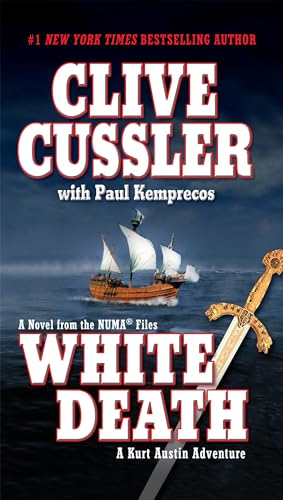
On the publisher’s audio listing for White Death, Penguin Random House identifies James Naughton as the reader of the abridged version and Scott Brick as the reader of the unabridged one. If your library search shows two covers and the same title, the narrator name is a quick way to tell those specific recordings apart. Still check the edition field: a different narrator doesn’t mean a different text for every book.
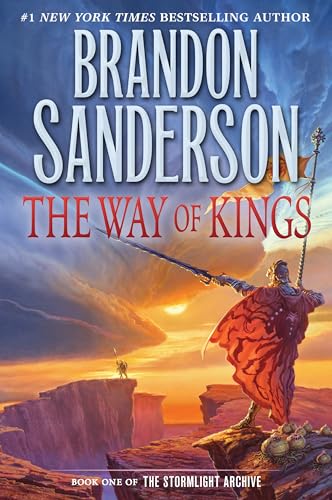
For Brandon Sanderson’s The Way of Kings, Wake County Public Libraries lists the Macmillan Audio recording with Michael Kramer and Kate Reading as unabridged. GraphicAudio’s listing identifies its production as a dramatized adaptation and marks that listing “1 of 5.” If you’re comparing runtimes, that part number matters. The length of one installment tells you little about how the complete productions compare.
Check these details before you borrow or buy
- Find the edition label. Open the full details. Look for “unabridged,” “abridged,” “adapted,” or “dramatized.” A search result may only show the title and cover.
- Match the publisher and narrator. If the details are vague, search for the title plus the narrator or audio publisher. Use the audio ISBN if one is listed; a print ISBN identifies a different format.
- Read past the runtime. A big difference is a reason to look closer. Check whether one listing is only a part, whether the editions match, and whether you’re looking at the listed duration or a playback estimate at a different speed.
- Use the sample for the right job. A sample helps you decide if you like the voice, pace, or sound effects. A few minutes won’t tell you whether a chapter halfway through the book was cut.
If the library only has the abridged version and your class uses the full text, check another format of the same edition before placing the hold. A print or ebook copy can give you the pages you need while you wait for the right recording. If you plan to switch between them, compare the opening of a chapter rather than the chapter number alone: an audio track may begin with an introduction or combine several short sections.
If the listing never says, treat the edition as unknown. A librarian or the audio publisher can help you match the narrator and edition before you commit. If you’re pairing audio with a print copy, note the translator or edition on both records. For more ways to use your library and other legal reading options, see our guide to reading books for free.