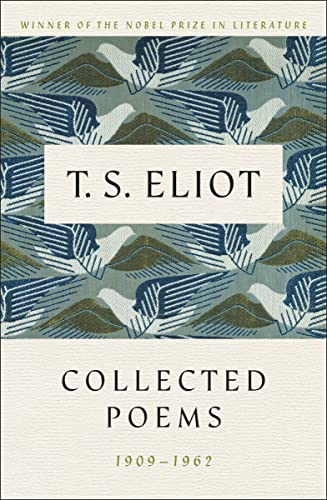
T. S. Eliot
49 books
About the Author
T. S. Eliot, the Nobel Prize-winning poet and playwright, was a towering figure in modernist literature, renowned for his profound exploration of the human condition amid the fragmentation of the modern world. Born in St. Louis, Missouri, in 1888, he moved to England and became a British citizen, profoundly influencing 20th-century poetry with his innovative use of allusion, irony, and fragmented narrative. Eliot's work often grapples with themes of disillusionment, spiritual desolation, and the search for redemption, blending high culture with everyday vernacular to create a uniquely evocative voice. His seminal poem 'The Waste Land' captures the post-World War I malaise, while collections like 'Prufrock and Other Observations' delve into the anxieties of urban existence. Throughout his career, Eliot's incisive criticism and dramatic works, including 'Murder in the Cathedral,' solidified his legacy as a bridge between tradition and innovation, inspiring generations of writers to confront the complexities of modernity.
Common genres
Writing style
allusive
ironic
fragmented
Books by T. S. Eliot