Martin Heidegger
34 books
About the Author
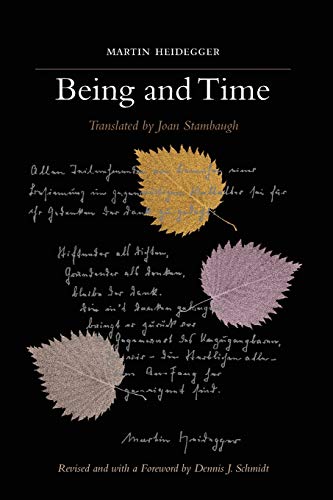
Martin Heidegger (1889-1976) was a German philosopher whose profound inquiries into the nature of being profoundly shaped 20th-century thought. Born in rural Baden, he initially pursued theology before turning to phenomenology under the influence of Edmund Husserl. Heidegger's seminal work, Being and Time (Harper Perennial Modern Thought), published in 1927, revolutionized existentialism by exploring Dasein, or human existence, as a temporal and relational phenomenon amidst the forgetfulness of being in modern life. His philosophy critiqued technology, authenticity, and the essence of truth, influencing fields from literature to environmental ethics. Despite controversies surrounding his brief Nazi affiliation, Heidegger's legacy endures as a cornerstone of continental philosophy, challenging readers to confront the fundamental questions of existence.
Common genres
Writing style
dense
ontological
phenomenological
Books by Martin Heidegger