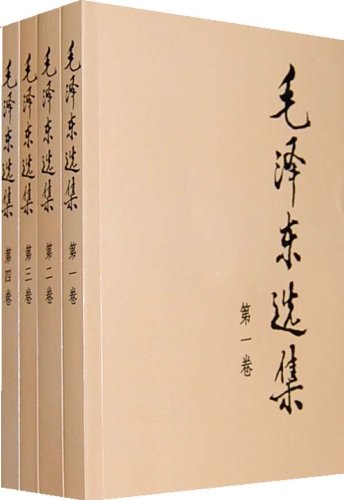
毛泽东
5 books
About the Author
Mao Zedong (1893-1976), revered as the founding father of the People's Republic of China, was a revolutionary leader, political theorist, and prolific writer whose ideas profoundly shaped modern Chinese history and global communist movements. Emerging from a rural background in Hunan Province, Mao rose through the ranks of the Chinese Communist Party, leading the Long March and ultimately establishing the PRC in 1949. His writings blend Marxist-Leninist principles with Chinese realities, offering insights into governance, economics, and social transformation. In works like 'On the Ten Major Relationships,' Mao articulates a framework for balancing contradictions in socialist construction, emphasizing unity between opposing forces to foster national development and ideological purity. Beyond politics, his essays and poems reflect a deep engagement with philosophy, strategy, and cultural heritage, influencing generations of thinkers and activists worldwide.
Common genres
Writing style
philosophical
revolutionary
didactic
Books by 毛泽东