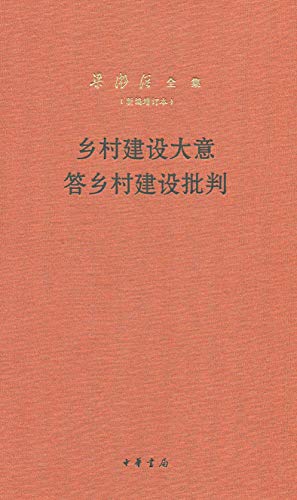

梁漱溟
2 books
About the Author
Liang Shuming (1893-1988), a pioneering Chinese philosopher and social reformer, dedicated his life to bridging Eastern and Western thought while addressing the profound challenges facing rural China in the early 20th century. Born in Beijing to a scholarly family, he pursued studies in Buddhism and Confucianism, eventually becoming a key figure in the New Culture Movement. His philosophical works emphasize the cultivation of human nature and the revival of traditional values amid modernization. As an educator and activist, Liang founded schools and led rural reconstruction efforts in Shandong, advocating for self-reliant village communities to foster moral and economic progress. Despite political upheavals, his ideas on culture, ethics, and societal harmony continue to influence contemporary Chinese intellectual discourse, offering timeless insights into balancing tradition and progress.
Common genres
Writing style
philosophical
reflective
reformist

