
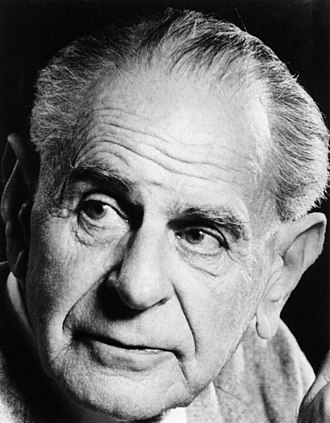
Karl Popper
10 books
About the Author
Karl Popper (1902-1994) was an Austrian-British philosopher whose groundbreaking ideas reshaped the foundations of scientific inquiry and political theory. Born in Vienna, he fled the rise of Nazism and settled in New Zealand and later England, where he taught at the London School of Economics. Popper's philosophy of science, centered on falsifiability as the criterion for scientific theories, challenged inductivism and influenced generations of thinkers. He critiqued historicism and totalitarianism, advocating for open societies that foster critical rationalism and democratic pluralism. In works like All Life is Problem Solving, he explored the dynamic nature of human knowledge, emphasizing problem-solving as the essence of intellectual progress. Popper's legacy endures in debates on epistemology, methodology, and the defense of liberal democracy against authoritarianism.
Common genres
Writing style
clear
analytical
rigorous
Books by Karl Popper


