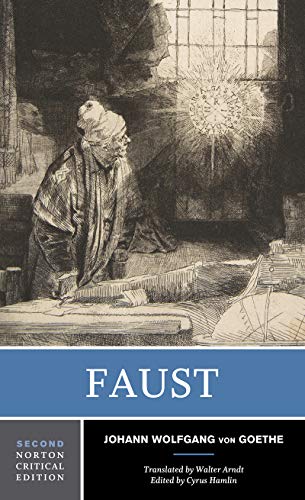
![100 Eternal Masterpieces of Literature [volume 1] (100 Books You Must Read Before You Die)](https://m.media-amazon.com/images/I/51GW38hVgaL._SL500_.jpg)
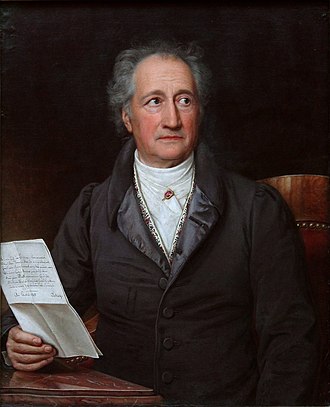
Johann Wolfgang Von Goethe
68 books
About the Author
Johann Wolfgang von Goethe (1749-1832) stands as one of the towering figures of German literature and the broader Western canon, a polymath whose insatiable curiosity spanned poetry, drama, science, philosophy, and statecraft. Born in Frankfurt, he rose to prominence with his groundbreaking novel The Sorrows of Young Werther, igniting the Sturm und Drang movement, before evolving into the sage of Weimar, where he served as a privy councillor and fostered a golden age of cultural patronage. Goethe's oeuvre reflects his profound engagement with the human condition, blending Enlightenment rationalism with Romantic passion, as seen in his magnum opus Faust, a monumental exploration of ambition, redemption, and the eternal quest for knowledge, and in the introspective Conversations of German Refugees and Wilhelm Meister's Journeyman Years, which delve into themes of exile, apprenticeship, and spiritual renunciation. His legacy endures as a testament to the boundless potential of the creative mind, influencing generations of thinkers and artists worldwide.
Common genres
academic
Anthology
Art
Audio Drama
autobiography
Biography
Botany
classic literature
Classics
Collected Works
Drama
Erotic Literature
Essays
fable
Fiction
Fiction Collection
Folklore
German Classics
german literature
Historical Reprint
History
Holiday
Letters
literary history
Literature
Literature Collections
Philosophy
Poetry
Radio Plays
Romance
satire
Science
Short Stories
tragedy
Travel
world literature
Writing style
lyrical
philosophical
introspective
Books by Johann Wolfgang Von Goethe