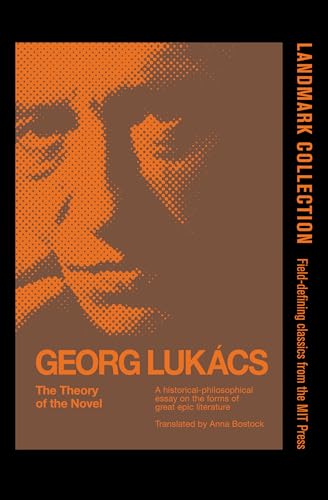
Georg Lukacs
7 books
About the Author
Georg Lukács (1885-1971) was a Hungarian Marxist philosopher, literary critic, and aesthetic theorist whose profound insights into the interplay between literature, history, and society profoundly influenced 20th-century thought. Born in Budapest to a wealthy Jewish family, Lukács initially explored phenomenology and ethics before embracing Marxism during the Russian Revolution, which shaped his lifelong commitment to dialectical materialism. As a key figure in Western Marxism, he critiqued bourgeois culture while championing realism as the most effective literary form for revealing social truths. Exiled during World War II and later imprisoned under Stalinist regimes, Lukács's writings bridged philosophy and literature, emphasizing the novel's role in capturing the contradictions of modern life. His seminal work, Theory of the Novel: A Historico-Philosophical Essay on the Forms of Great Epic Literature, remains a cornerstone of literary theory, dissecting epic traditions from Homer to modernity.
Common genres
Writing style
philosophical
dialectical
analytical
Books by Georg Lukacs