Tag: book discovery

  • Books Set in Winter: Choose Wonder, Isolation, or Suspense

    Books Set in Winter: Choose Wonder, Isolation, or Suspense

    A snowy setting can promise very different kinds of reading. You might want the hush of a forest, the ache of people who cannot escape each other, or a remote house where someone has a reason to lie. Choosing by that feeling is more useful than treating every winter novel as a cozy read.

    These three books give you a clear place to start: The Snow Child by Eowyn Ivey for wonder mixed with hardship, Ethan Frome by Edith Wharton for a short, bleak classic, and The Hunting Party by Lucy Foley for a gathering that turns dangerous. They share cold landscapes, but the experience you’re signing up for changes considerably. Here’s how to find the one that fits your evening.

    Choose your winter mood first

    Before comparing plots, decide what you want the cold to do. Should it make the world feel mysterious, make the characters’ circumstances feel tighter, or keep the suspects within reach?

    • Wonder: Start with The Snow Child if a fairy-tale mystery woven through everyday hardship sounds inviting.
    • Isolation: Choose Ethan Frome if you’re in the mood for a concentrated story about desire, duty, and limited choices.
    • Suspense: Try The Hunting Party if you’d rather watch old friendships become grounds for suspicion.

    None is a promise of uncomplicated comfort. That doesn’t stop them being good winter companions; it just helps to know whether you want to feel absorbed, unsettled, or eager to solve something. Save the gentlest reading mood for a book that actually offers it.

    The Snow Child: wonder with something fragile underneath
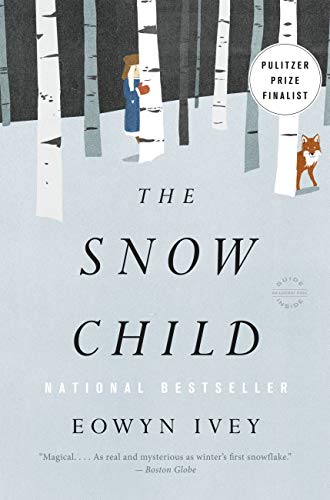
    The Snow Child by Eowyn Ivey, Little, Brown paperback cover

    In The Snow Child, Jack and Mabel are trying to build a life in Alaska in 1920. The work is punishing, and their loneliness has opened a distance between them. During a snowfall, they make a child out of snow. By morning it has disappeared, and a girl begins appearing in the woods. That is the premise established in the publisher’s description, and it’s enough to understand the book’s pull without explaining away its mystery.

    The girl’s name is Faina. She seems at home in a landscape that the adults struggle to inhabit. For Jack and Mabel, her arrival brings the possibility of connection, alongside questions about who she is and what it means to care for her. The contrast matters: the setting can look magical while the life being lived there remains demanding.

    Pick this one when you want to sit with that tension. The interesting question isn’t simply whether something supernatural has happened. It’s also why a couple would need to believe in the possibility of a changed life, and how hope can make uncertainty harder to bear. Those are useful questions to carry into a reading session without hunting for an early answer.

    This is the strongest choice here for someone drawn to a landscape and an emotional bond. Give it room to be both lovely and difficult. A snow child and a forest do not make it a children’s story, and the fairy-tale premise should not be taken as a guarantee of a comforting outcome.

    If what you really want tonight is a puzzle with a circle of suspects, move to The Hunting Party. If you want wonder that sits beside loneliness rather than erasing it, stay here.

    Ethan Frome: a winter that makes the world feel smaller
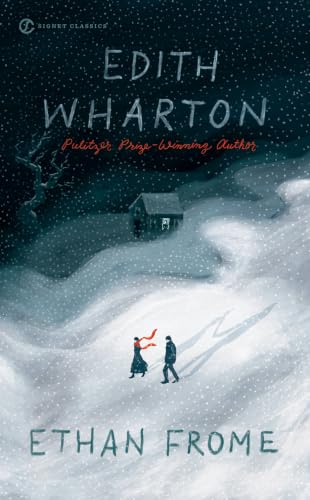
    Ethan Frome by Edith Wharton, Signet Classics cover

    Ethan Frome is the choice for a reader who wants winter to sharpen a story’s emotional pressure. Ethan lives in rural New England with his wife, Zeena, and develops feelings for her young cousin, Mattie Silver. Poverty, illness, household obligations, and desire occupy the same small world. Scribner’s description and opening excerpt make the bleak setting and tragic direction clear.

    The winter landscape is worth attending to as you read. In the opening, the village’s snow and cold light establish both beauty and separation. Rather than treating those details as a scenic introduction to get through, notice how they sit beside Ethan’s attention to Mattie. What feels alive to him, and what makes daily life feel fixed? You don’t need a literary-theory vocabulary to follow that contrast.

    This is a different kind of isolation from a thriller’s closed circle. The pressure comes from circumstances and relationships, so a reader looking for constant external action may prefer Foley. Here, a conversation, an obligation, or an imagined alternative can be the reason to keep reading. The smaller scale makes it a useful choice when you’re curious about a classic but don’t want to begin with a sprawling cast.

    The Signet edition listed by Penguin Random House runs 192 pages. That’s an edition-specific count, not a promise that every copy has the same length or that everyone will finish it in one sitting. Leave enough attention for the language instead of turning brevity into a race.

    Choose it for an evening when bleakness is part of the appeal. If you’re seeking reassurance or an easy romantic escape, this is the clearest mismatch of the three. Its attraction is the intensity of the situation, not the prospect of a relaxing visit to a snowy town.

    The Hunting Party: old friends, a remote lodge, and a murder
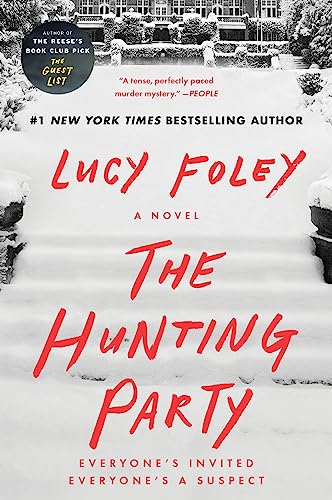
    The Hunting Party by Lucy Foley, paperback cover

    For the suspense mood, pick The Hunting Party. Lucy Foley brings old friends together at a remote hunting lodge in the Scottish wilderness for New Year. A murder turns that gathering into a much more threatening proposition. The holiday reunion and the crime are both part of HarperCollins’ publisher synopsis; the identity of the victim and the solution are best left for the novel.

    This is the pick for readers who enjoy asking what a group knows about itself. Shared history can make a reunion look reassuring from the outside: these people have known one another for years. It can also supply the reasons a conversation feels loaded. Familiarity gives you something to question rather than something to trust automatically.

    The remote winter setting makes that premise especially appealing when you want an enclosed reading experience. The invitation is to turn your attention toward the people gathered together and consider which relationships deserve a closer look. You can enjoy the atmosphere while still reading with a practical question in mind: what changes when a friendly tradition becomes the setting for a crime?

    Don’t choose it because a lodge sounds restful. Choose it because the holiday-getaway setup gives the suspense somewhere to gather. This is a murder mystery about a group, so it makes a different demand on your attention from the couple at the center of The Snow Child or Ethan’s restricted household.

    For a book-club read, keep early discussion to the premise and your changing suspicions; even identifying which details become important can spoil the fun for someone behind you. For solo reading, decide whether you want that active, questioning mood tonight. If you’d rather linger over a relationship than scrutinize a gathering, one of the first two options may fit better.

    A simple way to make the final choice

    Try finishing this sentence: “Tonight, I want a winter book that makes me…” If the answer is wonder, start with Ivey. If it’s feel the weight of a difficult situation, reach for Wharton. If it’s question everyone in the room, go with Foley.

    You can also choose by what you don’t want. Skip a tragic classic when you’re already emotionally drained. Save a group mystery for a time when keeping track of relationships sounds enjoyable. Don’t ask a story about loneliness and uncertain hope to behave like a cheerful holiday escape.

    Read a few pages before committing to your choice. The sound of the prose matters as much as the premise, and a mood-based recommendation is a starting point rather than a verdict about what you should like. If none fits, browse more literary fiction and follow the atmosphere that interests you. Winter is a setting; you still get to choose the feeling.

  • Where to Start Reading Native American History: Choose a Period and Perspective

    Where to Start Reading Native American History: Choose a Period and Perspective

    If you want to start reading Native American history, choose the question you want answered before choosing the biggest book. For Native life since 1890, start with David Treuer’s The Heartbeat of Wounded Knee. For a longer account of how Native nations shaped the United States, try Ned Blackhawk’s The Rediscovery of America. If you’d rather begin with one person’s experiences, Joy Harjo’s Crazy Brave offers memoir, with a different purpose from either history.

    November is Native American Heritage Month, and it’s a good occasion to make room on your reading list. You don’t need to finish an entire survey before you’re allowed to get interested in a particular writer. These three starting points give you a choice of scale: a recent historical period, several centuries, or one life. None can stand in for every Native nation, community, or perspective.

    Choose the kind of reading you want to do

    A useful first question is whether you’re looking for a timeline, an argument, or a voice. A history can help connect events across places and generations. Reportage brings interviews and observed experience into the account. A memoir follows what one person remembers and makes of a life. Those forms can overlap, but you won’t get the same kind of answer from each.

    Look at the subtitle and contents before you commit. Where does the book begin and end? Which places and communities receive attention? Is the writer explaining a broad historical change or following a personal experience? Picking a book whose scope matches your curiosity makes it easier to stay with it. You can always widen your reading afterward; your first choice doesn’t have to be a permanent reading plan.

    The Heartbeat of Wounded Knee: start with Native life after 1890

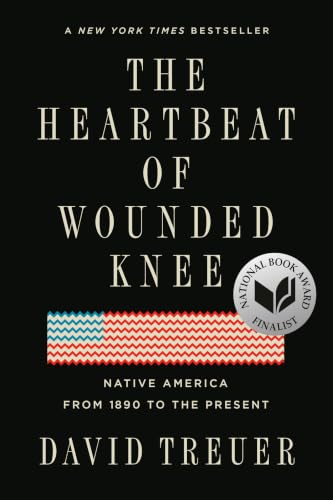
    Cover of The Heartbeat of Wounded Knee by David Treuer

    David Treuer’s The Heartbeat of Wounded Knee: Native America from 1890 to the Present is the strongest starting point here if your question is what happened beyond the nineteenth-century history you already know. Treuer is Ojibwe from the Leech Lake Reservation in Minnesota. His book combines historical writing with reportage and personal experience, keeping Native lives after Wounded Knee at the center.

    The book challenges the idea that the 1890 massacre marks an ending to Native history. Its emphasis includes continuing communities, adaptation, and the work of preserving languages, families, and traditions. That makes the subtitle an especially useful guide to the reading experience: the focus is on what continued and changed. The publisher lists the 2019 paperback at 528 pages, so allow yourself time for a substantial book.

    Choose this one if you like the idea of moving between a broad account and individual lives. Before starting, write down a question you have about the period after 1890. As you read, notice when the book answers it and when it gives you a better question instead. You don’t need elaborate notes; a few page references can help you return to a person, community, or subject that catches your attention.

    Keep the publication date in mind, too. “The present” in a title belongs to the book’s own historical horizon; it doesn’t promise coverage of everything happening in 2026. If you want a longer chronological foundation first, Blackhawk is the more fitting choice. If you want to follow one person’s memories closely, begin with Harjo and return to a broader history later.

    The Rediscovery of America: connect five centuries of history

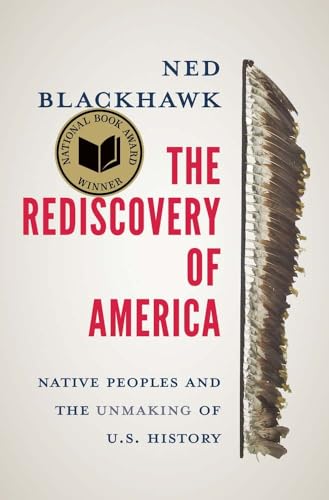
    Cover of The Rediscovery of America by Ned Blackhawk

    Ned Blackhawk’s The Rediscovery of America: Native Peoples and the Unmaking of U.S. History suits the reader who wants to reconsider the larger American-history timeline. Blackhawk, a Western Shoshone historian, connects Native and non-Native histories across five centuries. The account stretches from Spanish colonial exploration to Native self-determination in the late twentieth century, as Yale’s description of the book explains.

    The important distinction is the scale. You’re choosing a historical synthesis that places Native peoples within the formation and development of the United States. It can be a useful choice if you remember separate units from a history class but want to understand connections between them. In an interview with Yale University Press, Blackhawk discusses the scholarship behind the book and the need to reconsider familiar ways of organizing American history.

    The 2024 paperback is listed at 616 pages. That length is useful information for planning, not a reason to treat reading it as an endurance contest. Try a chapter at a time and keep a simple list of places and nations as they appear. When a familiar event returns in a different context, pause there. What has changed about your understanding of who acted, who negotiated, or whose interests were involved?

    Start here if connecting periods is what interests you most. If you mainly want to spend time with more recent Native lives, Treuer offers the more focused starting question. The two books needn’t become competing choices for your entire reading year. Read the one that answers your immediate curiosity, then use the other to extend the period or perspective you want to understand.

    Crazy Brave: begin with memoir and one writer’s voice

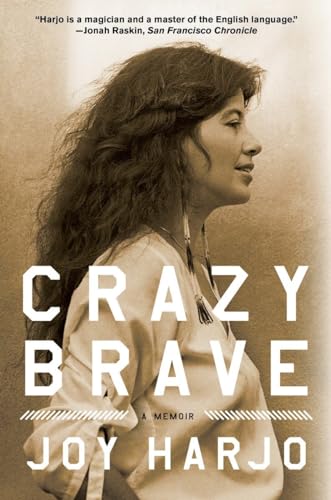
    Cover of Crazy Brave by Joy Harjo

    Joy Harjo’s Crazy Brave: A Memoir belongs on this list as a different kind of beginning. Harjo is a writer and performer of the Muscogee Nation. Her account follows growing up in Oklahoma, family relationships, and the path toward becoming a poet. Her own description of the memoir emphasizes imagination, ancestry, music, and poetry alongside difficult experiences at home.

    Choose it when you’re drawn to how a person tells a life: what they remember, which connections they make, and how they find language for their experience. That is a different reading question from asking for an overview of federal policy or a sequence of historical events. The memoir can sit beside a history without having to perform the same job.

    A useful way to read it is to follow the voice before trying to turn every passage into background information. Notice how an image or remembered moment matters within the story being told. If something makes you curious about a place or a historical event, mark it for later rather than stopping every few pages to chase a new source. You can give the book your attention and still leave yourself a path to further reading.

    Harjo’s experience is her own, so resist treating a personal account as a summary of all Native lives. If your immediate goal is historical orientation, start with one of the two histories and save this memoir as a companion. If a personal narrative is what will get you reading, begin here. There isn’t a required order, and you don’t need to make your reading list resemble a course syllabus.

    Let the next book answer a more specific question

    After your first book, narrow the next choice. You might want more about a particular nation, a period the author passed through quickly, or another writer’s perspective. The First Nations Development Institute’s reading list organizes suggestions across subjects and identifies some as starting points. It’s a useful place to continue exploring rather than expecting a single list to settle the subject.

    For now, choose the scale that fits: Treuer for Native life since 1890, Blackhawk for a longer historical account, or Harjo for memoir. Open the book’s page, check the edition, and make room for the question that brought you here.

  • Three Short Novels Under 200 Pages for a Busy Reading Week

    Three Short Novels Under 200 Pages for a Busy Reading Week

    A short novel is a useful choice when you want to start a story without carrying it through a month of deadlines. But page count only gets you so far. A funny, uncomfortable account of working in a convenience store feels very different from a winter story about a difficult decision, even when both fit comfortably in a small bag. Start with the kind of company you want from a book, then check its length.

    These three novels offer quite different evenings: the offbeat perspective of Convenience Store Woman, the gathering moral pressure of Small Things Like These, and the small island adventures of The Summer Book. Each has a verified English-language print edition under 200 pages. That makes them manageable choices for a busy week, without promising that everyone will finish them at the same speed—or that a short book must be emotionally light.

    November also brings Novellas in November, a reading event running from November 1–30. You can use that as a nudge to pick one, but there's no need to turn these into a three-book assignment. One that suits your mood is a better starting point than a stack you feel obliged to finish.

    Convenience Store Woman: for an offbeat voice and uncomfortable humor

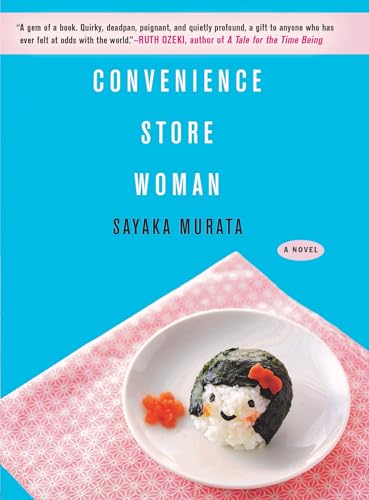
    Convenience Store Woman by Sayaka Murata, Grove paperback cover.

    Convenience Store Woman by Sayaka Murata follows Keiko Furukura, who finds a reassuring set of rules in the convenience store where she works. At 36, she has spent eighteen years there. The routine that makes sense to her looks like a problem to the people around her, who expect a different job, a relationship, and a more recognizable version of adult life. Ginny Tapley Takemori translates the novel from Japanese.

    The appeal is that gap between Keiko's satisfaction and everyone else's concern. Store procedures give her something clear to follow; outside work, the rules are harder to pin down. She observes other people's behavior and borrows ways of speaking and dressing. When a disaffected new coworker arrives, the arrangement becomes less stable. Grove's description establishes this as a story about conformity, with humor coming from the mismatch between Keiko's thinking and other people's assumptions.

    Try this one if a distinctive narrator is usually what keeps you reading. A useful question to carry into it is whose idea of a successful life you're accepting in a scene. When someone offers Keiko advice, pause over whether the advice answers a need she has actually expressed. You don't have to agree with her to find that question interesting. It gives you something to follow beyond waiting for a big event or a conventional romantic resolution.

    For a busy week, you might read until one interaction changes how you understand Keiko, then stop there. That is a more satisfying stopping point than meeting an arbitrary page target. If you mainly want landscape, companionship, and a softer pace, consider Jansson instead. The edition linked here is Grove's 2019 paperback, ISBN 9780802129628, listed at 192 pages; other editions have different counts.

    Small Things Like These: for a concentrated moral dilemma

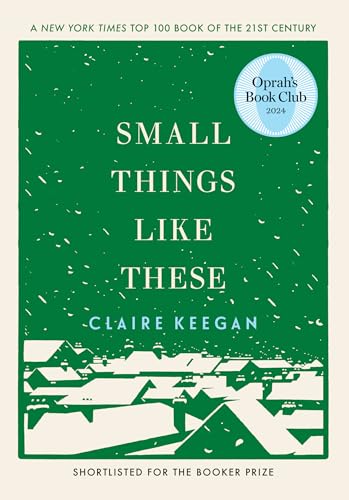
    Small Things Like These by Claire Keegan, Grove hardcover cover.

    Small Things Like These by Claire Keegan takes place in an Irish town in 1985, during the weeks before Christmas. Bill Furlong is a coal merchant and a father, working through his busiest season. A delivery to the local convent leads to a discovery that makes it harder for him to continue with everyday life as before. His own past and his town's willingness to remain silent both matter to the decision ahead of him.

    That premise, described by Grove Atlantic, gives the book a clear point of pressure. The question isn't simply whether Bill recognizes that something is wrong. It's what recognition will ask of him when he has a family, a livelihood, and a place in the community to consider. The Christmas setting belongs to that story; it isn't a promise of an uncomplicated seasonal comfort read. Choose it when you want a short book with a serious question at its center.

    It could also be the strongest option here for reading alongside a friend. Before you begin, agree to leave the ending out of your messages until you're both finished. Then compare the moment when you felt Bill's position become difficult. Did practical responsibilities make his hesitation more understandable to you, or more frustrating? Those are questions you can discuss without turning the conversation into a test of who noticed the most details.

    Although this is the shortest listed edition, give yourself room to read without hurrying. You could reserve a quiet stretch for it, or mark a pause and return when you can hold the central question in mind. If you're choosing primarily for dry humor, Murata is the better starting point. Grove's 2021 hardcover, ISBN 9780802158741, is 128 pages. Check that edition information if you're comparing it with a different printing or format.

    The Summer Book: for island life, dry humor, and small adventures

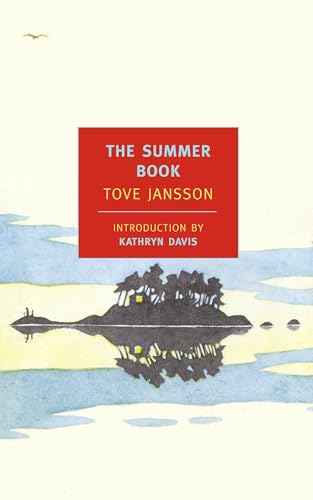
    The Summer Book by Tove Jansson, NYRB Classics paperback cover.

    The Summer Book by Tove Jansson brings you to a small island in the Gulf of Finland with six-year-old Sophia and her grandmother. Thomas Teal translates it from Swedish. Its twenty-two vignettes make room for exploring, making things, talking, and disagreeing. Rather than building your reading around one urgent problem, you spend time with two people whose ages and temperaments give them different ways of seeing the same place.

    The island is more than scenery. NYRB's description points to coastline walks, bark boats, and an imagined miniature Venice. Sophia's mother has died, and the publisher's reading-group guide explains how grief and the grandmother's aging sit beneath the adventures. That combination is useful to know before choosing it: the natural setting and humor coexist with loss. You needn't wait for summer to want that particular kind of company.

    Of these three, its vignette structure offers the clearest places to pause between small sections. Try a vignette at a time if your week is fragmented. Before closing the book, notice one detail of the island and one thing the pair disagreed about. That small habit may help you return to their company without treating every reading session as an exercise in remembering plot. If you prefer a central decision pulling you toward an ending, Keegan may suit you better.

    This is also a choice for readers who like a book to leave space around what its characters say. You can pay attention to how a conversation changes when you imagine it from the child's side, then the older person's. There is no need to choose a permanently wiser character. The NYRB Classics paperback, ISBN 9781590172681, has 184 pages. Its size is modest; you can still give individual scenes as much time as you like.

    Pick your mood first, then check the edition

    If you're choosing tonight, make the decision small. Pick Murata for a narrator whose idea of normal unsettles the people around her. Pick Keegan for a working man's difficult choice. Pick Jansson for the rhythm of an island summer and a prickly, affectionate relationship. You can change your mind after sampling the opening; the page count doesn't create an obligation to keep going.

    Before buying or borrowing, compare the ISBN and format with the editions above. A hardcover, paperback, ebook display, or large-print edition can give a different number. The counts here describe specific books, not universal measures of difficulty or reading time. If your week allows only a few reading sessions, choose the experience you most want to return to. A short novel earns its place by making you want the next page, not by helping you clear a quota.

  • Nonfiction That Reads Like a Novel: Choose a Heist, an Investigation, or an Expedition

    Nonfiction That Reads Like a Novel: Choose a Heist, an Investigation, or an Expedition

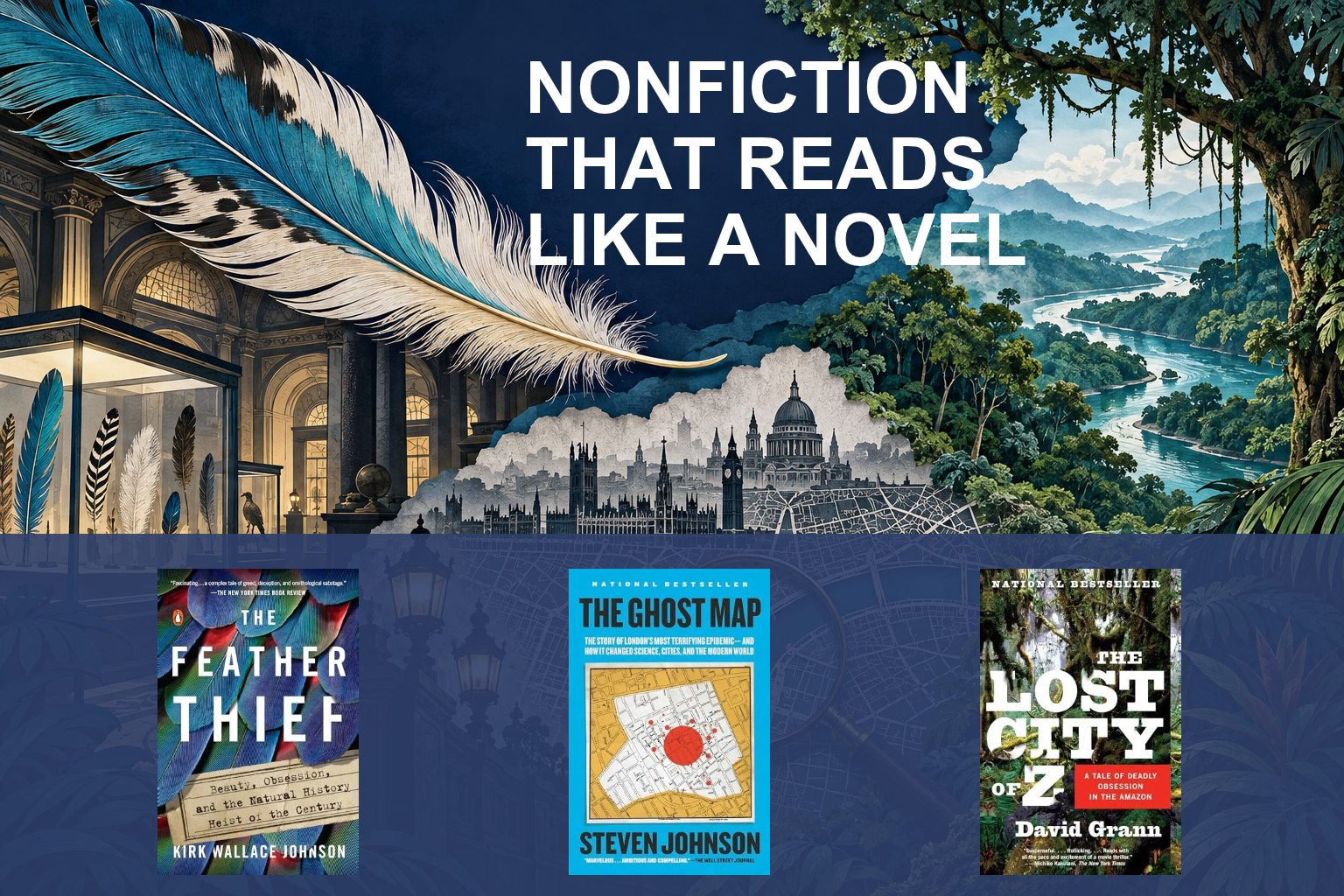
    You don’t have to give up suspense when you switch from fiction to nonfiction. A strange crime, a question nobody can answer, or an expedition that disappears can pull you through a true story just as effectively as a fictional cliffhanger. The useful question is what kind of suspense you want.

    For a museum heist that leads into an unexpectedly obsessive collecting world, start with The Feather Thief. If you enjoy following clues and watching an explanation take shape, try The Ghost Map. For an expedition story that moves between historical records and a reporter’s own search, choose The Lost City of Z.

    These books make three different starting points. You don’t need to read them in order, know the history beforehand, or decide to become “a nonfiction reader.” Pick the question you’d most like answered, then give that book your attention.

    The Feather Thief: when the motive is stranger than the crime

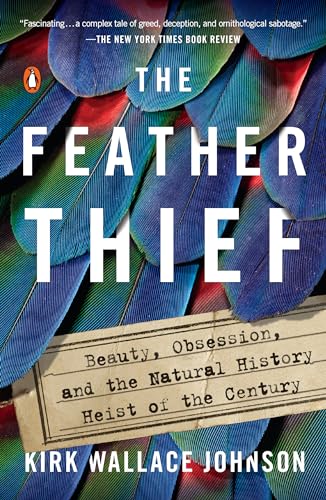
    The Feather Thief, by Kirk Wallace Johnson, starts with an unusually specific theft. In 2009, a young musician named Edwin Rist stole rare bird specimens from the Natural History Museum’s collection at Tring. Their feathers were prized by people devoted to the elaborate craft of salmon-fly tying. Johnson later heard about the crime while fishing and began investigating the people and missing specimens behind it. Johnson’s account of the book establishes the heist and the questions that drew him in.

    That premise offers a good route into nonfiction if you like stories about secretive communities, collecting, or an interest that takes over someone’s life. You can recognize the pull of wanting something rare without knowing anything about fishing. The appeal is learning how an unfamiliar object acquires enough value to justify an extraordinary decision.

    Go in expecting the theft to open the story outward. The culprit’s identity is part of the premise; the more interesting questions concern desire, the market around it, and what happens to objects taken from a scientific collection. This is a better choice for “How did this world develop?” than for “Which suspect did it?”

    The book also asks you to make room for background. Its subject connects natural history with collecting, and that context matters to understanding what was lost. If your favorite thrillers race directly from one confrontation to the next, sample the opening before choosing it for a weekend binge. If you enjoy discovering an entire community around a seemingly tiny interest, that widening view is the attraction.

    Start here when you want an unusual true-crime story with a clear central incident. As you read, notice whose idea of value you’re being asked to consider: the collector’s, the investigator’s, or the museum’s. That question gives you more to discuss than whether the theft was audacious.

    The Feather Thief by Kirk Wallace Johnson, Penguin paperback cover

    The Ghost Map: when following the evidence is the adventure

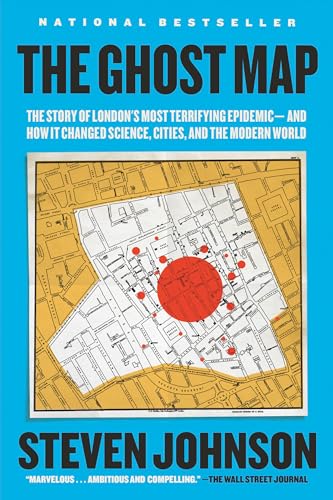
    The mystery in The Ghost Map, by Steven Johnson, concerns an epidemic rather than a criminal. Set during London’s 1854 cholera outbreak, it follows the work of physician John Snow and local curate Henry Whitehead. Scientific investigation and neighborhood knowledge meet in the effort to understand what is happening. Johnson also connects the outbreak to the way a growing city functions, from its water to its waste. Those are the central subjects described by the US publisher and Penguin’s UK edition.

    Choose this one if you like detective stories because of the reasoning. The pleasure of that kind of mystery is seeing a detail change meaning once someone asks a better question. Here, the stakes come from a real public crisis, and the investigation gives you a concrete way to follow a larger history of ideas.

    The title can be misleading if you’re browsing quickly: this isn’t a ghost story. Its London setting belongs to a history of disease, evidence, and city life. Readers who enjoy science explained through a particular problem may find that more inviting than a broad survey of scientific discoveries.

    It also makes a useful change from stories built around one person’s overpowering ambition. Pay attention to the different kinds of knowledge an investigation needs. A technical explanation and familiarity with a neighborhood can answer different questions; noticing how those perspectives interact gives you something to follow beyond the eventual conclusion.

    The tradeoff is that the book’s interests extend beyond the immediate case. If you want the narrowest possible account of one event, its discussion of cities may feel like a change of pace. If you enjoy finishing a mystery with a new way to look at everyday surroundings, this is the strongest starting point of the three. Try it when curiosity about how people work something out matters more to you than a surprise ending.

    The Ghost Map by Steven Johnson, Riverhead paperback cover

    The Lost City of Z: when a search keeps pulling people back

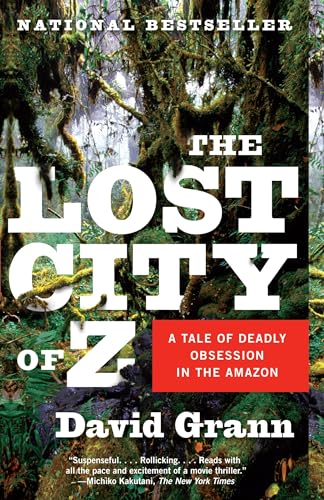
    The Lost City of Z, by David Grann, begins from an enduring historical question. British explorer Percy Fawcett disappeared during a 1925 expedition into the Amazon, where he was searching for an ancient civilization. Grann follows the historical trail and undertakes a reporting journey of his own. The book brings those two searches together, as described on Grann’s book page and by Vintage.

    This is the pick for readers drawn to expeditions, difficult environments, and the lure of an unanswered question. The central attraction isn’t simply finding out where someone went. It’s following the effort to reconstruct a search long after the people involved have disappeared, with the records and perspectives available to a later investigator.

    The two time periods also give you a useful way to read it. Keep Fawcett’s goals separate from Grann’s questions. An explorer pursuing a conviction and a journalist investigating that pursuit don’t necessarily want the same thing, even when they travel through related territory. Watching that distinction helps the historical material feel like an active inquiry rather than a list of dates.

    Choose it over The Feather Thief when the journey itself appeals to you more than a particular collecting community. Choose it over The Ghost Map when you’d rather follow an expedition and the people attracted to it than a tightly located urban investigation.

    Be comfortable with uncertainty. A true disappearance doesn’t owe readers the kind of fully resolved ending a novelist can construct. It’s also worth noticing whose knowledge counts in an exploration story; a visitor’s uncertainty about a place doesn’t make that place unknown to the people who live there.

    This is a good starting point when your favorite fictional adventures leave you wanting to know what evidence survives afterward. Read for the changing questions as well as the destinations.

    The Lost City of Z by David Grann, Vintage paperback cover

    Choose your first book by the question you keep thinking about

    If you’re still deciding, set the genre labels aside for a moment. Which question would make you open the book tonight?

    • Why would someone steal museum bird specimens? Pick The Feather Thief for obsession, collecting, and an unusual crime.
    • How do people recognize the right explanation during a crisis? Pick The Ghost Map for evidence, collaboration, and the workings of a city.
    • What keeps drawing people into a vanished expedition’s trail? Pick The Lost City of Z for travel, historical investigation, and unanswered questions.

    Then check a sample in the format you actually plan to use. For print or ebooks, notice whether the movement between scenes and background keeps you interested. For audio, sample the narrator and consider how comfortable you are following names and places by ear. A promising subject and a comfortable reading format make a better starting point than choosing whichever book seems most impressive.

    What “reads like a novel” should mean

    Narrative nonfiction uses storytelling to organize reported events. That can include scenes, a strong sense of place, and people whose decisions have consequences. It still depends on evidence. A vivid passage isn’t permission to assume every conversation or private thought survives in a complete record.

    You don’t need to turn leisure reading into homework. When a scene makes you wonder how the author knows something, look at the source notes or acknowledgments. Interviews, documents, and an author’s own reporting do different jobs; seeing those foundations can add to the interest.

    These three books offer a manageable way to try that reading habit. Start with the story you’re curious about, follow its central question, and leave room for the background that makes the events matter. If one approach doesn’t suit you, the next book can offer a different kind of momentum. Your first nonfiction choice only has to make you want to keep reading.

  • What to Read After The Thursday Murder Club: Is Vera Wong Your Next Sleuth?

    What to Read After The Thursday Murder Club: Is Vera Wong Your Next Sleuth?

    If you finished The Thursday Murder Club wishing you could spend more time with its people, put Vera Wong’s Unsolicited Advice for Murderers on your list. Jesse Q. Sutanto’s mystery has an older amateur detective, plenty of interference in other people’s business, and friendships that become part of the reason to keep reading. The strongest connection is the pleasure of finding good company in the middle of a murder investigation.

    There’s a difference worth knowing before you choose it, though. Richard Osman gives you a group of friends who already meet to puzzle over crimes. Sutanto starts with a lonely tea-shop owner whose investigation brings new people into her life. If you want another established team with the same rhythm as Elizabeth, Joyce, Ibrahim and Ron, that change may matter. If you’d enjoy watching a new circle form, Vera is a promising person to meet.

    Start with what you’ll miss about the club

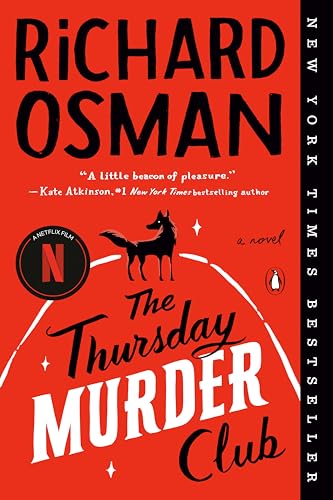
    The Thursday Murder Club by Richard Osman

    The Thursday Murder Club begins with four retirement-village residents discussing unsolved cases. A murder nearby turns their regular pastime into a live investigation. That setup gives the book two invitations at once: try to solve the case, and pull up a chair with the people solving it. The publisher’s description establishes the small community and the leap from cold cases to immediate danger.

    Before searching for something similar, think about which invitation you accepted most eagerly. Did you race through conversations looking for clues? Did you look forward to the next exchange between the friends? Or did you like seeing older characters take charge when other people might underestimate them? Those answers can lead to different recommendations, even when every book on the shelf is called a cozy mystery.

    Osman has described the puzzle and the characters as closely connected. In his interview with Dead Good, he explains that readers need to enjoy spending time with the people who carry them through the mystery. That’s a useful way to judge a follow-up read: look for someone you want to accompany, rather than expecting a new author to reproduce the exact cast you’ve left behind.

    Meet Vera before you meet her suspects

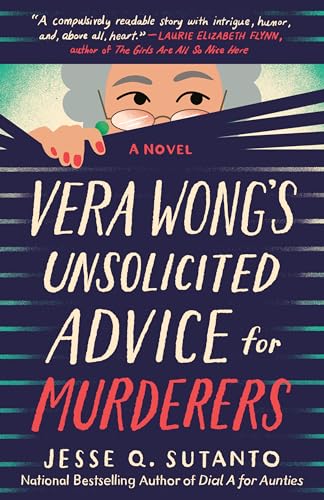
    Vera Wong’s Unsolicited Advice for Murderers by Jesse Q. Sutanto

    Vera Wong’s Unsolicited Advice for Murderers takes you to San Francisco’s Chinatown. Vera lives above her tea shop, where she discovers a dead man one morning. She calls the police, but she also pockets a flash drive and decides to investigate for herself. Her confidence that she can do a better job sets the story in motion. This is the opening premise, described by Berkley, rather than a later revelation.

    The complication is that the people Vera suspects become people she cares about. Investigating them and welcoming them into her life begin to pull in different directions. That gives the recommendation a more specific appeal than “another funny murder mystery.” It’s a good possibility when you want suspicion and affection to share the same room.

    Vera’s forcefulness is also worth considering. In an author interview with United By Pop, Sutanto says the character draws on both her parents and discusses how affection can sit behind overbearing behavior. That doesn’t mean every reader will find Vera charming immediately. If a determined meddler makes you laugh, her personality may be a large part of the attraction. If you get impatient with characters who won’t take a hint, try a sample before committing.

    An established circle or a new one?

    This is the clearest choice between the two books. With Osman’s opening premise, the group exists before the live case arrives. With Vera, the case creates opportunities for connection. One starts with a shared habit; the other disrupts a lonely routine.

    For a reader choosing the next book, that changes what there is to look forward to. You might want the ease of returning to familiar friends, in which case continuing Osman’s series makes sense. Or you might be ready for the uncertainty of new relationships: who will trust whom, who will get along, and whether someone who seems intrusive could become important to another person.

    Neither preference is a test of how adventurous a reader you are. After a busy week, familiar characters can be exactly what you want. At another moment, meeting someone with a completely different way of handling people may be more appealing. Choose the kind of company you want now, rather than treating every recommendation as a replacement for your favorite book.

    What to check in a sample

    Read enough to hear the narrator’s voice and see how a conversation works. A recommendation can tell you that a book is humorous; it can’t decide whether a particular kind of humor will land for you. Notice whether you’re smiling at the character’s certainty, enjoying the interruptions, or wishing everyone would get back to the investigation.

    Pay attention to your curiosity, too. Are you interested only in the answer to the crime, or are you already wondering what will happen to someone’s ordinary life? If the relationships are drawing you in, that’s a useful sign for this particular recommendation. If you’re looking for a tightly focused investigation with little room for personal detours, the shared amateur-sleuth label alone may not be enough.

    You don’t have to read a long list of reviews to make the decision. A short sample and one clear preference can be more helpful than collecting ten loosely similar titles. You’re choosing your next enjoyable read, not proving that two books are interchangeable.

    Should Vera be next?

    Try Vera if the part of The Thursday Murder Club you want more of is capable older characters, humor, and the pleasure of getting attached to people while a case unfolds. Expect a change of setting and a forceful central personality gathering a new circle around her. Keep Osman’s next installment for the moment when what you really want is the familiar club itself.

    You can compare the editions on Textbook Nova: The Thursday Murder Club and Vera Wong’s Unsolicited Advice for Murderers. Then choose by the thing you’re most eager to find again: the puzzle, the people, or the prospect of a new favorite sleuth.

  • Witchy Books for Fall: Found Family, Fresh Starts, and Cursed Romance

    Witchy Books for Fall: Found Family, Fresh Starts, and Cursed Romance

    If you want a witchy book for fall, it helps to decide what you’re in the mood for: a house you’d love to move into, a heroine figuring out what comes next, or two exes who have to clean up a magical mess together. There’s room for all three on an autumn reading list, but they make different promises.

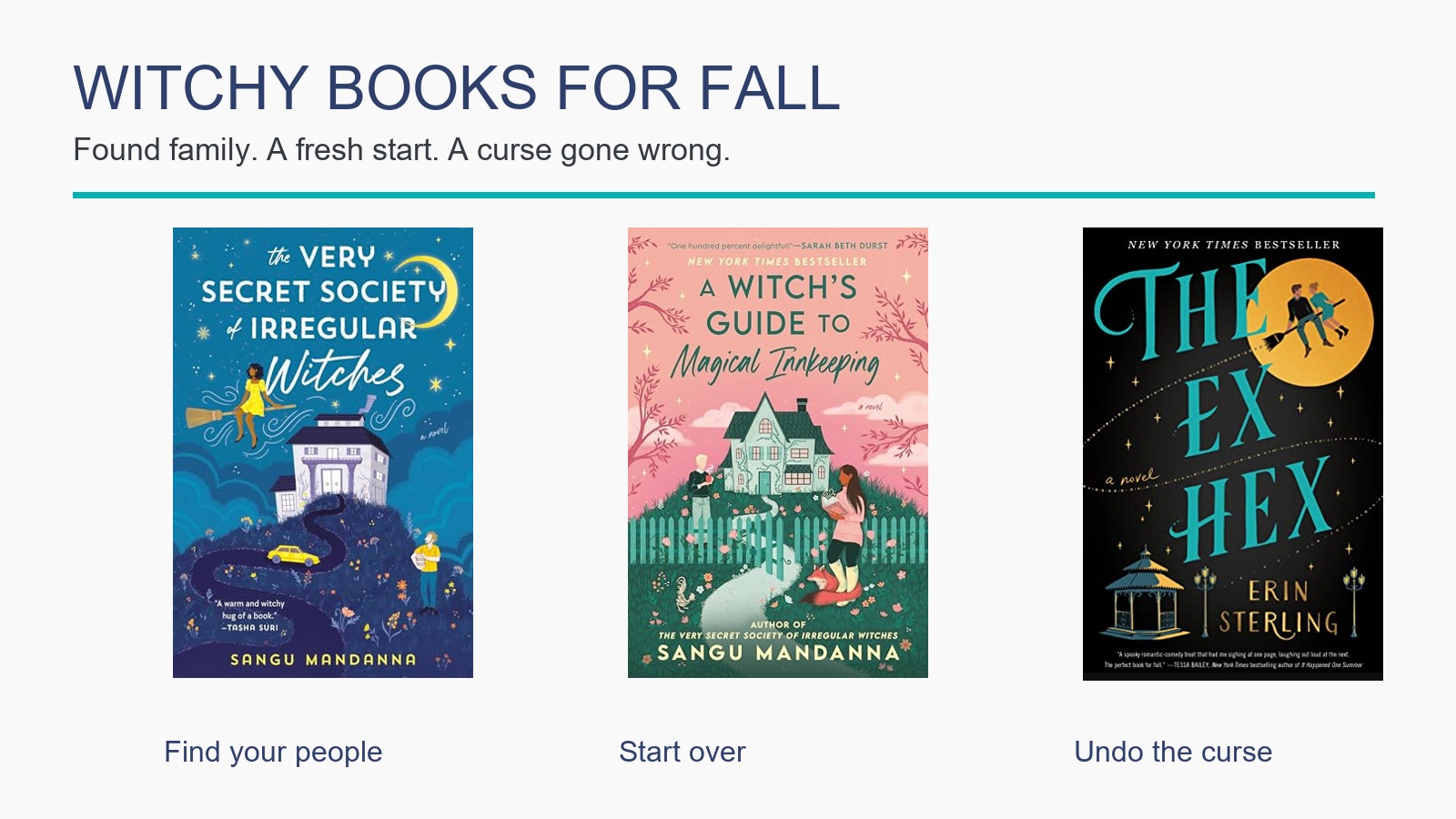
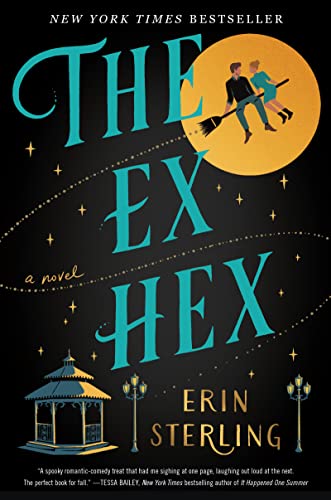
    These picks keep the magic close to everyday life. Sangu Mandanna’s The Very Secret Society of Irregular Witches starts with an unusual teaching job, while her A Witch’s Guide to Magical Innkeeping follows a witch whose plans have fallen apart. Erin Sterling’s The Ex Hex adds a fall festival and a reunion that goes spectacularly wrong. Here’s a closer look at the characters, the appeal of each premise, and which one might suit your next reading night.

    For a found family: The Very Secret Society of Irregular Witches

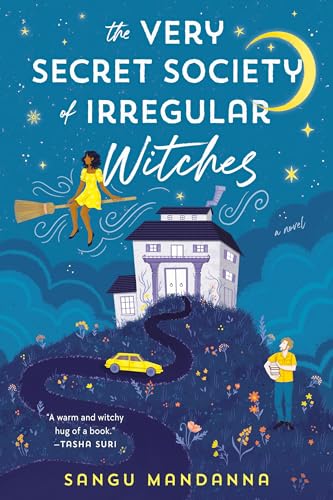
    The Very Secret Society of Irregular Witches by Sangu Mandanna book cover

    Mika Moon has learned to keep her distance. She hides her magic, avoids drawing attention, and moves through life without putting down many roots. Her small rebellion is posting videos in which she pretends to be a witch. She assumes nobody will recognize the real thing. Then someone does, and an invitation arrives: come to Nowhere House and teach three young witches how to manage their powers.

    That setup gives Mika a lovely dilemma. The very thing she’s spent her life concealing is what this household needs from her. Around the children are several protective adults, including Jamie, a librarian who’s suspicious of the newcomer. The publisher’s introduction to the story promises romance as well as a family Mika may finally be able to join.

    The reason to put this book first is Mika herself. Someone who’s used to leaving has to consider what it would mean to stay. If you enjoy stories about slowly letting other people into your life, that’s a stronger draw than the spells alone. Jamie’s caution also gives the romance something to work through: welcoming Mika means trusting her with people he already loves.

    For a reading group, Mika’s habit of keeping her life temporary offers plenty to discuss. When does independence become loneliness? What makes accepting help difficult? Those questions follow naturally from her circumstances, and the publisher’s reading guide explores her changing relationship with home. Save the full guide until afterward if you’d rather avoid spoilers.

    Start here if you want the pleasure of getting to know a whole household. The children and their guardians give you several relationships to care about alongside the love story. If your main wish is a romance built around unfinished business between exes, keep reading: Vivi and Rhys have quite a problem waiting for them.

    Find The Very Secret Society of Irregular Witches on Textbook Nova.

    For a fresh start: A Witch’s Guide to Magical Innkeeping

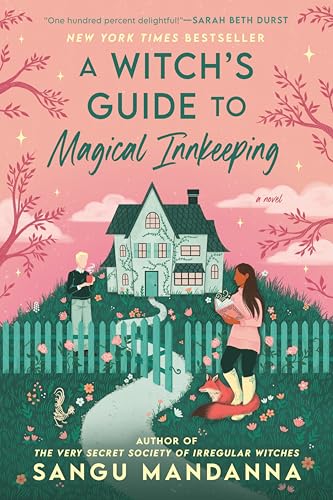
    A Witch’s Guide to Magical Innkeeping by Sangu Mandanna book cover

    Sera Swan once had extraordinary magical powers and a future to match. After resurrecting her great-aunt Jasmine, she loses most of that magic and is expelled from her Guild. Now she helps Jasmine run an enchanted inn in Lancashire, sharing her days with unusual guests and a talking fox. She has people around her, but she still misses the life she expected to have.

    An old spell offers a possible way to recover her powers. Luke Larsen, a reserved magical historian who arrives at the inn, may know how to help. Sera has a practical reason to seek him out before romance enters the picture. You can read more about their predicament in the publisher’s book description.

    What makes Sera interesting is how much she has tied her worth to her ability. Losing her magic leaves her trying to work out who she is without it. The reading guide specifically explores that connection between talent and self-worth. It’s an appealing theme if you’ve ever changed your major, abandoned a career plan, or wondered whether you still count as successful when your goals change.

    That’s also the useful distinction between Mandanna’s two heroines. Mika is deciding whether she can make a home with other people. Sera already has an inn to help run, but she’s struggling to value the life she has there. You might be drawn to both stories for the found family, yet Sera’s disappointment gives this one a different starting point.

    Choose Magical Innkeeping when you want a fresh-start story with romance and an eccentric household. An inn is an inviting setting for that combination: work, visitors and personal troubles all share the same space. It also makes a good pick to carry into the colder months; Luke’s arrival takes place on a winter evening. You don’t need to save every witch book for October.

    Find A Witch’s Guide to Magical Innkeeping on Textbook Nova.

    For a cursed second-chance romance: The Ex Hex

    The Ex Hex by Erin Sterling book cover

    Vivi Jones cursed Rhys Penhallow after he broke her heart. Nine years later, he returns to Graves Glen to recharge the town’s ley lines and attend its annual fall festival. Unfortunately, the hex Vivi once thought harmless begins causing real trouble. Soon the consequences reach beyond Rhys, and the pair must work together to protect the town.

    The publisher describes a romantic comedy with supernatural chaos, including dangerous wind-up toys and a furious ghost. The attraction between Vivi and Rhys complicates an already awkward assignment. Having to cooperate with an ex is one thing; having to break a curse you put on him makes the reunion considerably messier.

    This is the most obvious choice for a fall-festival mood. It’s also the one to start with if the romantic setup is what catches your attention first. The useful question is whether you enjoy second chances: do you want to watch two people revisit an old relationship, or would you rather meet a couple who are getting to know each other for the first time?

    Think about what usually makes a reunion romance work for you. Some readers love the familiarity between characters who share a past. Others want convincing reasons to believe things could be different now. Keep your own preference in mind when you try the opening pages. A premise can be exactly your kind of fun while the couple’s dynamic determines whether you want to keep going.

    Find The Ex Hex on Textbook Nova.

    How to choose your first witchy read

    If two of these sound equally appealing, try a sample of each before making a decision. Give yourself enough pages to meet the main character, rather than judging only the opening line. Notice whose company you enjoy and which problem you want to see resolved. You might love the idea of a magical inn but discover that Mika’s invitation is the story you’re most curious about tonight.

    For a book club, ask everyone what they most want to talk about. Finding a home, rebuilding after a disappointment, and giving an old relationship another chance will lead to different conversations. Agreeing on that interest is often more useful than asking everyone to vote on a cover. Let members suggest a discussion question as they read, then compare what caught each person’s attention.

    And leave yourself room to change your mind. A seasonal reading list is a place to collect possibilities, not a deadline. Pick the book you want now and keep the others for later. If you’re craving secretive campuses and academic rivalries instead, our dark academia starting guide has three more books to explore.

  • All Systems Red or A Psalm for the Wild-Built? Choose Your Next Sci-Fi Read

    All Systems Red or A Psalm for the Wild-Built? Choose Your Next Sci-Fi Read

    Some evenings you want a book that gives you a reason to keep turning pages. Other evenings, you’d rather slow down and spend time with a couple of interesting characters. If you’re choosing between All Systems Red and A Psalm for the Wild-Built, that difference is a good place to start.

    Both are short science-fiction books with memorable nonhuman characters, and both introduce a series. But sharing a shelf doesn’t make them interchangeable. Martha Wells gives a reluctant security unit a dangerous assignment. Becky Chambers brings a tea monk and a robot together for a quieter journey. Here’s what to consider before deciding which one belongs on your nightstand.

    A quick way to choose

    • Start with All Systems Red if a security mission, a sharp voice, and a character who would rather be left alone sound appealing.
    • Start with A Psalm for the Wild-Built if you’re in the mood for conversation, curiosity, and questions about what makes life satisfying.

    You don’t have to decide which sounds like the better book in some permanent, all-purpose way. Think about what you’d enjoy reading tonight. You can be drawn to both premises and still want very different things from them.

    All Systems Red: for when you want something to happen

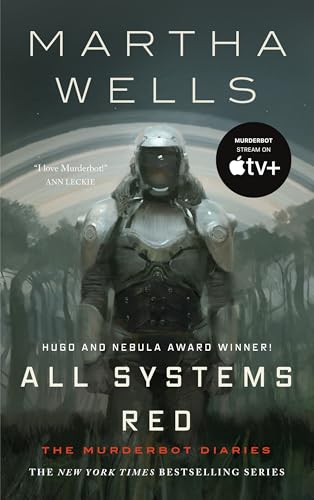
    All Systems Red by Martha Wells book cover

    In All Systems Red by Martha Wells, a self-aware security unit has secretly disabled its controlling governor module. It calls itself Murderbot and accompanies a team of scientists on a planetary survey. Its wish for some distance from humans runs up against the demands of keeping them safe.

    That tension gives you a clear reason to try the book: the character’s preferences and responsibilities pull in different directions. If a capable but reluctant protector is your kind of protagonist, this is the premise to sample first. You have a mission to follow as well as a character to get curious about.

    It’s also worth taking the danger seriously when choosing your evening read. A short book isn’t automatically a gentle one. If you’re specifically looking for a break from violence and threats, the Chambers book is the more promising starting point.

    Starting the series: All Systems Red is the first Murderbot novella. Try that individual title before buying a collection. Wells’s official series page identifies the books, so you can check what you’re looking at when a listing offers several volumes together.

    A Psalm for the Wild-Built: for when you’d rather linger

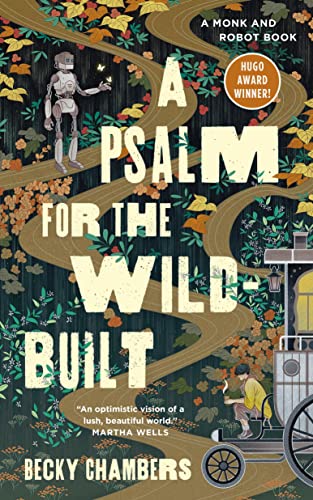
    A Psalm for the Wild-Built by Becky Chambers book cover

    A Psalm for the Wild-Built by Becky Chambers follows a tea monk who meets a robot with a question about what people need. The premise leaves space for conversation and reflection, rather than asking you to brace for the next threat.

    Try this one if the idea of those two characters talking already makes you want to open the book. You might be more interested in following a question than solving a crisis, especially after a day when everything else has demanded an immediate answer.

    The same quality may be a reason to pick something else. If you tend to grow restless when a story pauses to think, a gentle premise alone may not win you over. Give the sample a fair chance, but pay attention to whether you’re enjoying the pace or waiting for it to change.

    Starting the series: this is the opening Monk & Robot book. The publisher offers an excerpt, so you can try the prose before borrowing or buying a copy.

    Three things to notice when you try a sample

    A description can tell you the setup. A few pages can tell you whether you want to spend time there. Rather than using a sample to hunt for proof that a book is “good,” notice your own response.

    1. Are you interested in the voice? You don’t need to agree with a character or find them immediately lovable. Being curious about what they’ll say or do next is enough.
    2. Does the pace suit your mood? If you’re hoping for momentum, notice whether you’re eager to continue. If you want a slower evening, notice whether you enjoy staying with the conversation.
    3. Would you pick it up again tomorrow? That’s a more useful question than whether you could force yourself to finish it in a weekend.

    Don’t set a deadline just because either book is short. Reading speed varies, and a novella can be something you settle into over several evenings. Choose the format and pace that make you want to come back.

    Before you borrow or buy

    Look for the exact title and author, then check the format. Search results can mix individual books with bundles, audio editions, and reading guides. If you’re only trying the first book, make sure the listing matches that plan. The linked TextbookNova pages above give you a place to begin that comparison.

    If you prefer borrowing, search your library’s catalog for the title and author. Check its available formats rather than assuming the print, ebook, and audiobook options will be the same. Availability will depend on your library.

    And if neither of these premises appeals, you haven’t ruled out science fiction. Browse more science-fiction books on TextbookNova and follow the character, setting, or question that catches your attention.

    Which one would we start with?

    For an evening when you want a mission to pull you along, we’d point you toward All Systems Red. For one where you want room to think, we’d try A Psalm for the Wild-Built. Read a little, see whether the voice holds your attention, and let that decide what comes next.