Author: Bruce

  • Short Horror Books for a Spooky Reading Night

    Short Horror Books for a Spooky Reading Night

    You want something unsettling to read, but a 600-page horror novel isn’t the commitment you’re looking for this week. Start with the kind of scare you enjoy. Would you rather walk into a decaying old house, hear something moving through a spaceship, or wonder why everyone in a beautiful neighborhood is avoiding your questions?

    These three short horror books take those possibilities in very different directions. Each featured print edition comes in under 200 pages, leaving you room to try a new author without signing up for a doorstop. That doesn’t make them interchangeable, and it doesn’t mean you need to finish any of them in one night. A shorter book can still deserve a slow read.

    With Halloween approaching, they’re useful options for a spooky reading night. Here’s how to choose the one that sounds most like your kind of trouble.

    Choose your scare first

    • For Gothic decay and strange nature: What Moves the Dead by T. Kingfisher — 176 pages in the paperback edition below.
    • For a dangerous creature aboard a struggling spaceship: The Scourge Between Stars by Ness Brown — 176 pages in the featured print edition.
    • For an immaculate home with something wrong underneath: Comfort Me With Apples by Catherynne M. Valente — 112 pages in the featured hardcover.

    These counts come from the publishers’ listings for the specific ISBNs linked below. Other editions can differ. Use them to compare the size of the commitment, rather than to calculate an exact finishing time.

    What Moves the Dead: when the landscape feels wrong
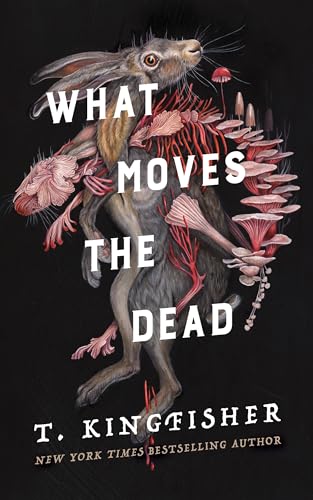
    Cover of What Moves the Dead by T. Kingfisher

    An old friend is dying, and the house around her seems deeply unwell too. Retired soldier Alex Easton travels to the Usher family home after hearing from Madeline Usher. Instead of a straightforward sickroom visit, Alex finds unsettling fungi, bizarre animal behavior and a family struggling inside a deteriorating estate. Kingfisher reworks Edgar Allan Poe’s “The Fall of the House of Usher” into a story where the natural world is part of the threat. The publisher’s description and opening excerpt establish both the Gothic setting and Alex’s dry, observant voice.

    Choose this if your favorite part of a frightening story is noticing that ordinary details don’t quite behave as they should. A mushroom, a body of water or an animal can become more disturbing than a dramatic entrance by an obvious monster. The opening also gives Alex room for matter-of-fact observations and exchanges with their horse. That touch of humor sits beside the unease; it isn’t a promise that the book is gentle.

    Of the three choices here, this is the clearest match for a reader who wants old-house atmosphere. If a cramped survival situation sounds more appealing than a sickroom and a sinister landscape, move to Brown’s book below. If you’d rather investigate social rules and domestic secrets, try Valente.

    For your reading night, sample the opening before deciding whether this is the mood you want. Are you drawn to the close attention to unpleasant natural details, or already hoping to get out of that landscape? Either answer is useful. You don’t have to choose the most disturbing option to choose a good book for yourself.

    Find What Moves the Dead on TextbookNova. The linked paperback is ISBN 9781250830814, listed at 176 pages.

    The Scourge Between Stars: nowhere safe to get off
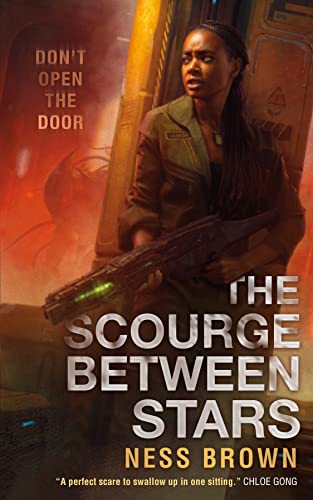
    Cover of The Scourge Between Stars by Ness Brown

    The ship is already in trouble before the intruder becomes the problem. Jacklyn Albright is acting captain of the Calypso, carrying survivors toward Earth after a failed colony. Resources are running short, the crew is under strain, and something aboard the ship is killing people. Survival means dealing with both the larger journey and the immediate danger inside the vessel. Macmillan’s book page confirms that setup and the featured edition’s 176-page length.

    This is the pick for a reader who likes the terrible practical question of where to go when the whole setting is a trap. A spaceship offers doors, corridors and compartments, but leaving it isn’t the same as stepping out of an unpleasant house. Jacklyn’s responsibility for other people also gives the premise a different pressure from a lone character poking around somewhere forbidden.

    Put it first on your list if “something is loose on the ship” is enough to catch your interest. Put it behind Kingfisher if what you’re really craving is crumbling architecture and a Gothic landscape. Both books involve an environment that can’t be trusted, but one starts with a struggling voyage and a captain’s problems; the other begins with a personal visit to an old friend.

    When you’re choosing a short book, setting can be a more useful filter than length. These two editions have the same page count, yet the situations you are agreeing to spend time in are quite different. Imagine opening each one after a long day: do you want to investigate an unsettling place, or follow people trying to survive a crisis? Pick the question that makes you want to turn the page.

    Find The Scourge Between Stars on TextbookNova. The featured edition is ISBN 9781250834683.

    Comfort Me With Apples: the house looks perfect
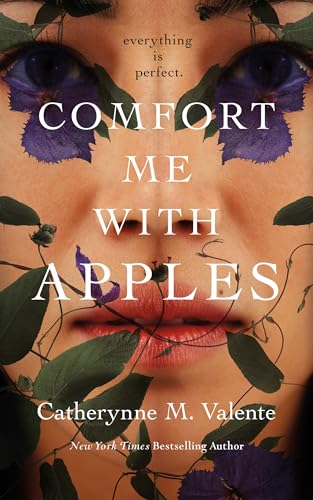
    Cover of Comfort Me With Apples by Catherynne M. Valente

    Sophia has a beautiful home in Arcadia Gardens and a husband she understands to be perfect. He is away often, certain parts of the house are off-limits, and her neighbors aren’t helpful when she starts asking questions. That’s enough of the premise to know before beginning. The interest is in the distance between how reassuring this life is supposed to be and how little Sophia is allowed to understand about it. The publisher’s page lists the hardcover at 112 pages.

    Choose this one if a suspiciously orderly home sounds more unsettling than a visibly ruined one. Kingfisher puts decay near the surface; Valente starts with the language and appearance of an ideal life. Brown’s setup offers an urgent external danger. Here, the invitation is to question the reassurance itself. You don’t need more plot detail to decide whether that appeals to you.

    It’s also the shortest of these three editions, which makes it a sensible starting point if the size of a book is your main obstacle right now. Keep the distinction clear: fewer pages tell you about length, not how comfortable, simple or forgettable the experience will be. A short book isn’t automatically a light book.

    For this choice, resist the temptation to research every explanation before opening it. Read a sample for the voice, check that you’ve found the right author, and let your curiosity do some work. There are other books called Comfort Me With Apples, including Ruth Reichl’s memoir, so Valente’s name matters when you’re searching. If you want a reading-night conversation afterward, start with what made the home seem reassuring and what made that reassurance fail. You can discuss those impressions without turning a recommendation into a spoiler.

    Find Valente’s Comfort Me With Apples on TextbookNova. The featured hardcover is ISBN 9781250816214.

    Make it a reading night, not a finishing contest

    Choose one book and leave the other two for another mood. You don’t need a three-book marathon to make a seasonal reading plan worthwhile. A sample can help you settle on a voice; a bookmark can handle the rest.

    If you’re reading with a friend, agree on a stopping point before you start and save plot discussion until you’ve both reached it. Comparing which setting you’d least want to enter is an easy opening question that doesn’t require anyone to reveal an ending.

    Start with Kingfisher for the old house, Brown for the threatened spaceship, or Valente for the perfect home you don’t quite believe in. The right choice is the situation you’re curious enough to step into—even if you keep the lights on.
  • Agatha Christie Books in Order: Poirot, Marple, and Where to Start

    Agatha Christie Books in Order: Poirot, Marple, and Where to Start

    You don't have to read every Agatha Christie book in order. Most cases give you a new mystery to solve, so you can choose a detective or setting that appeals to you. Publication order is useful if you want to follow a series carefully, though: characters return, and a few later books discuss earlier cases.

    For a straightforward first pick, start with The Mysterious Affair at Styles for Hercule Poirot, The Murder at the Vicarage for Miss Marple, or And Then There Were None for a standalone. Those three choices let you try different kinds of Christie without turning your reading into a completion challenge.

    Below, you'll find all 33 of Christie's Poirot novels and all 12 of her Marple novels in publication order, followed by guidance on short stories, alternate titles, and a few exceptions worth knowing. These are Christie's own books; adaptations and later novels by other authors are separate reading projects.

    Choose your first Christie by the kind of mystery you want

    Poirot: start with The Mysterious Affair at Styles

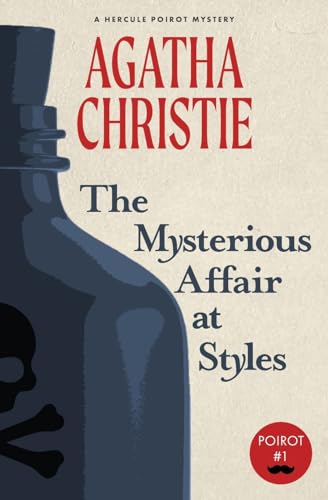
    The Mysterious Affair at Styles by Agatha Christie, Warbler Classics edition

    If you'd like to meet the detective at the beginning, choose The Mysterious Affair at Styles. Published in 1920, Christie's first novel introduces Poirot through Hastings, who is recovering from a wartime injury at an English country house. A poisoning turns the household into a collection of suspects. The official story page confirms that starting point and premise.

    This is a useful route if your favorite part of a mystery is comparing accounts, noticing details, and wondering which apparently ordinary fact will matter later. You get a contained setting and an introduction to Poirot's approach before following him into other cases. Keep a short list of names if you enjoy solving along; you don't need a notebook full of theory to enjoy the reveal.

    Starting here also removes the familiar hesitation of wondering whether you're missing an introduction. Afterward, continue with The Murder on the Links, or use the list below to plan a longer Poirot read. You can take breaks between cases without needing to remember an unfinished central plot.

    Miss Marple: start with The Murder at the Vicarage

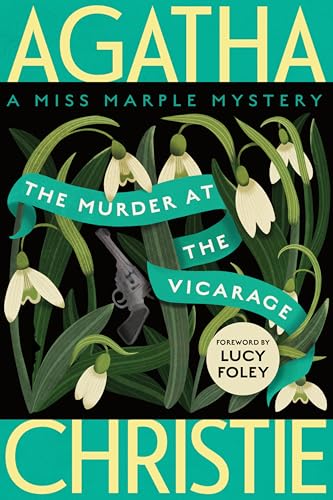
    The Murder at the Vicarage by Agatha Christie, William Morrow paperback

    The Murder at the Vicarage, published in 1930, is Miss Marple's first novel. Colonel Protheroe is found dead in the vicar's study, and the village supplies plenty of people who might have wanted him gone. Marple's attention to people's behavior makes everyday conversation worth watching closely. See the official introduction to the novel for its place in the series.

    Pick this route if you like a mystery woven through a community: people know one another, reputations carry weight, and a polite exchange can have more going on beneath it. St Mary Mead is an appealing place to begin because it introduces Marple's surroundings as well as her investigative instincts. Her experience of ordinary human behavior is part of the attraction.

    The village setting doesn't make the crime trivial or guarantee a cuddly story. It gives you a smaller social world to examine. If you prefer watching relationships and motives emerge to following a famous professional detective, Marple may be the better first choice. Her short stories are another option for busy weeks, discussed below.

    A standalone: start with And Then There Were None

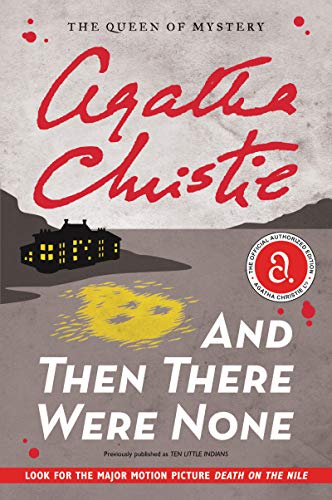
    And Then There Were None by Agatha Christie, paperback edition

    Choose And Then There Were None if you want to try Christie without committing to a returning sleuth. Ten strangers arrive on an isolated island, their hosts are absent, and a death makes the invitation feel very different. The official synopsis establishes the 1939 novel's enclosed setting and growing suspicion.

    Here, your attention goes to the group and its predicament rather than a familiar detective's method. That makes it a strong option for readers drawn to isolation, distrust, and the pressure of being unable to leave. If you're choosing a book-club read, the standalone structure also means nobody has to catch up on a series first.

    You can read this before, between, or after either detective series. There is no Poirot or Marple prerequisite. Go in with the premise rather than a detailed plot summary; a recommendation that tells you every turn has taken away part of the reason to read it.

    Hercule Poirot novels in publication order

    Use this list for a sustained Poirot read. It includes novels, not short-story collections. Years refer to the earliest UK or US book publication, so a UK-only list can show a later year for some titles. The official Poirot reading guide also provides an optional order based on Poirot's lifetime; that is a different organizing choice.

    1. The Mysterious Affair at Styles — 1920
    2. The Murder on the Links — 1923
    3. The Murder of Roger Ackroyd — 1926
    4. The Big Four — 1927
    5. The Mystery of the Blue Train — 1928
    6. Peril at End House — 1932
    7. Lord Edgware Dies — 1933
    8. Murder on the Orient Express — 1934
    9. Three Act Tragedy — 1934
    10. Death in the Clouds — 1935
    11. The ABC Murders — 1936
    12. Murder in Mesopotamia — 1936
    13. Cards on the Table — 1936
    14. Dumb Witness — 1937
    15. Death on the Nile — 1937
    16. Appointment with Death — 1938
    17. Hercule Poirot's Christmas — 1938
    18. Sad Cypress — 1940
    19. One, Two, Buckle My Shoe — 1940
    20. Evil Under the Sun — 1941
    21. Five Little Pigs — 1942
    22. The Hollow — 1946
    23. Taken at the Flood — 1948
    24. Mrs McGinty's Dead — 1952
    25. After the Funeral — 1953
    26. Hickory Dickory Dock — 1955
    27. Dead Man's Folly — 1956
    28. Cat Among the Pigeons — 1959
    29. The Clocks — 1963
    30. Third Girl — 1966
    31. Hallowe'en Party — 1969
    32. Elephants Can Remember — 1972
    33. Curtain: Poirot's Last Case — 1975

    Two dates often cause confusion. Three Act Tragedy first appeared in the US in 1934 and in the UK in 1935. Five Little Pigs first appeared in the US in 1942 as Murder in Retrospect. And Taken at the Flood belongs in 1948, as confirmed by its individual story entry.

    Which Poirot books should wait?

    Save Curtain until the end of your Poirot reading. For other known references, the official guide recommends these pairs and groups:

    • Murder on the Orient Express before Cards on the Table.
    • Three Act Tragedy before Hercule Poirot's Christmas.
    • Mrs McGinty's Dead before Hallowe'en Party.
    • Five Little Pigs, Mrs McGinty's Dead, and Hallowe'en Party before Elephants Can Remember.

    These are useful precautions from the official checklist, not a promise that every other book contains no references. The Dumb Witness entry, for example, also notes references to earlier cases. If even a passing reference bothers you, publication order is the practical default.

    Miss Marple novels in publication order

    Marple offers a shorter novel sequence. The official Marple reading list mixes novels and short stories in its suggested lifetime order. For publication order of the novels alone, use this list:

    1. The Murder at the Vicarage — 1930
    2. The Body in the Library — 1942
    3. The Moving Finger — 1942
    4. A Murder Is Announced — 1950
    5. They Do It with Mirrors — 1952
    6. A Pocket Full of Rye — 1953
    7. 4.50 from Paddington — 1957
    8. The Mirror Crack'd from Side to Side — 1962
    9. A Caribbean Mystery — 1964
    10. At Bertram's Hotel — 1965
    11. Nemesis — 1971
    12. Sleeping Murder — 1976

    The Moving Finger uses its earliest publication year here; UK editions followed in 1943. Read A Caribbean Mystery before Nemesis if you'd like to meet a returning character in the earlier book. The official Nemesis page explains that connection without making the two a conventional continuous story.

    Sleeping Murder was the last Marple novel published, but that doesn't make it the last event in Marple's life. The official reading list places it earlier in its suggested chronology. Its writing history is debated, so publication order is a clearer system than trying to reconstruct exactly when every manuscript was written.

    Where short stories and Tommy and Tuppence fit

    You don't need to buy every collection before beginning the novels. Poirot Investigates and Marple's The Thirteen Problems are useful choices when you'd prefer a complete case in a shorter sitting. Check a collection's contents before buying another edition: UK and US volumes can group the same stories differently. The official publication checklist identifies collections and their contents.

    Tommy and Tuppence are a different proposition. The official character guide emphasizes that they age across their adventures. If that continuing relationship appeals to you, follow this sequence: The Secret Adversary (1922), Partners in Crime (1929, short stories), N or M? (1941), By the Pricking of My Thumbs (1968), and Postern of Fate (1973).

    Check alternate titles before buying a second copy

    An unfamiliar title may be a book you already own. Lord Edgware Dies also appeared as Thirteen at Dinner, as its official page explains. Five Little Pigs is also Murder in Retrospect, and Taken at the Flood is also There Is a Tide. The publication checklist above records further regional titles, including The Tuesday Club Murders for The Thirteen Problems.

    Compare author, contents, format, and ISBN rather than assuming a new cover means a new story. A play, graphic adaptation, abridgment, and original novel can share a title. Later continuation novels can feature familiar detectives while being written by someone else; keep those separate if your aim is to read Christie's own work first.

    Make the next choice small

    Start with the route that sounds most enjoyable this week: Poirot's country-house debut, Marple's village investigation, or the standalone island mystery. Read one book before deciding whether you want a complete series. A checklist is useful when it helps you choose; it doesn't have to become an obligation.

    You can explore Agatha Christie's books on Textbook Nova or browse classic mysteries when you're ready for another case.

  • How to Judge Used Textbook Condition Before You Buy Online

    How to Judge Used Textbook Condition Before You Buy Online

    If you’re buying a used textbook online, the safest move is simple: buy the cheapest copy that is complete, readable, correct for your class, and returnable. A book in Good or even Acceptable/Fair condition can be totally fine if the pages are intact and the text is legible. But if the listing hides water damage, missing pages, or the wrong edition, the bargain is fake.

    That’s why the real question is not “What does the label say?” It’s “Will this copy actually work for the class?” Before you click buy, verify the ISBN on Textbook Nova or compare your options by ISBN and title, then use the seller’s condition notes to judge the copy itself. If you’re building a bigger semester plan, the broader textbook savings checklist helps you decide when used is the right play and when renting or buying new makes more sense.

    Used textbook condition guide

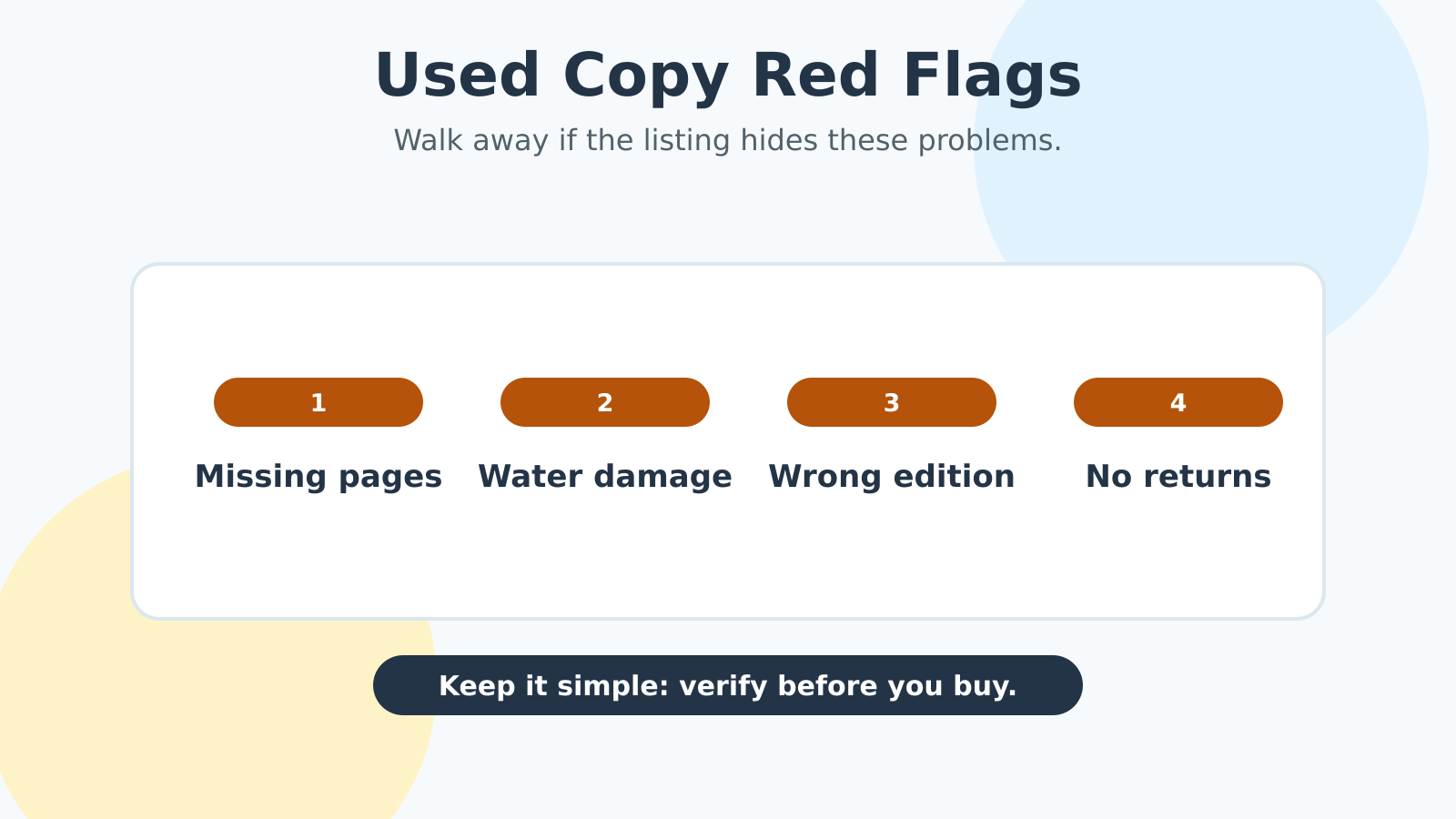
    Used textbook condition red flags to check before buying online.
    A low price is not a good deal if the copy is incomplete, damaged, the wrong edition, or non-returnable.

    Quick answer: what to buy

    Label Usually means Buy when
    Like New / Very Good Light cosmetic wear You want the safest copy or a nicer gift
    Good Clearly used but readable and complete You want the best value
    Acceptable / Fair Heavier wear or seller-specific grading The pages are intact and the price gap is real
    Avoid Missing pages, water damage, unreadable text Never
    • Best value for most students: Good condition if the book is complete and the seller is clear.
    • Worth paying more for: Like New or Very Good when the class is technical, annotation-heavy, or hard to replace.
    • Walk away fast: Missing pages, unreadable text, mold, bad water damage, or the wrong edition.

    Amazon’s book condition guidelines are a useful shorthand because they draw a bright line between books that are still readable and books that are not. AbeBooks’ used-book condition guide adds the other big lesson: read the full seller description, not just the grade.

    What used textbook condition labels usually mean

    Most marketplaces use condition labels as shorthand for wear, not as a guarantee of classroom usability. The label tells you roughly how beat-up the book is. The listing description tells you whether the book will actually work for your class.

    Like New / Very Good

    These are the safest used copies. A Like New book should look almost untouched, with only tiny cosmetic wear at most. Very Good usually means a little more wear, but the book is still in strong shape. Amazon’s book condition guidelines treat Very Good as a near-new book with room for minor wear, while HPB’s condition guide describes Fine/Like New and Very Good as copies that are still in very good shape for reading.

    For students, these are worth paying extra for when the class is annotation-heavy, the textbook has complex diagrams, or you know you will resell it later. You are paying for peace of mind, not just a prettier cover.

    Good

    Good is usually the sweet spot for budget buyers. It often means a textbook that is clearly used but still complete and readable. HPB’s condition guide describes Good copies as average used books with all pages present, and Biblio’s book condition guide says a Good book is typically a reading copy with the full text still available.

    This is often the best value if the book is a reading text, a humanities book, or a class where light wear will not matter much.

    Acceptable or Fair

    This is where you need to read carefully. Amazon’s book condition guidelines allow Acceptable copies to have heavier wear, including minor water damage that does not hurt readability. Biblio notes that “Acceptable” is not a standard traditional grade and can mean different things from seller to seller, which is exactly why the listing description matters. HPB’s condition guide is even blunter: Fair books may be very worn, torn, or barely holding together.

    Acceptable can still be fine for a class if the text is clear and the price drop is real. It is a lot less fine if you need a book that will survive a whole semester of regular use.

    The five flaws that matter most for students

    A scraped cover is annoying. A broken textbook is expensive. Focus on the damage that affects whether you can actually use the book.

    Missing pages, obscured text, and weak bindings

    These are hard-stop issues. Amazon’s book condition guidelines treat missing pages, obscured text, and unreadable text as unacceptable. TextbookRush’s condition and edition notes also make clear that books with missing pages or obscured text are not okay, and HPB’s condition guide notes that books in poor shape may be missing parts or barely holding together.

    If the binding is weak, ask yourself one question: will this survive being opened every day for 15 weeks? If not, skip it.

    Highlighting, notes, water damage, and odors

    This is where student judgment matters. Light highlighting is often harmless. Heavy highlighting can be miserable if the class depends on precise reading. Amazon’s book condition guidelines allow some wear and tear in the lower grades, while HPB’s condition guide shows that used copies can include highlighting, library markings, or other wear and still be sold as reading copies.

    Water damage is trickier than it looks. A little waviness may be okay; staining, mold, or pages stuck together is not. TextbookRush’s condition and edition notes and buying FAQ make supplements and edition checking important, and HPB’s guide makes clear that moisture damage can push a book into much worse territory. If a listing mentions odor, mildew, or smoke, walk away unless the price is almost giveaway-level and the seller has a strong return policy.

    Do not confuse physical condition with textbook usability

    A textbook can be physically rough and still academically fine. It can also look clean and still be useless.

    The first thing to verify is the exact edition and ISBN. TextbookRush’s buying FAQ tells buyers to verify author, title, edition, and ISBN so they get the correct version. Some courses use nearly identical covers with different problem sets, page numbers, or chapter order.

    The second thing is supplements. Used textbooks may not come with CDs, workbooks, online access codes, or other extras. HPB’s condition guide says used textbooks do not come with supplemental materials, and TextbookRush says the only way to guarantee supplements is to buy a brand-new US student edition that includes them. If your professor requires an access code, a cheap used copy may be the most expensive mistake you make all semester.

    The third thing is the seller’s return policy. TextbookRush’s buying FAQ recommends checking return information before buying marketplace books. That kind of buffer matters if the listing photos are vague or the condition grading feels optimistic.

    A pre-buy checklist for online used textbook listings

    Use this before you buy:

    • Confirm the ISBN, title, author, and edition.
    • Read the full condition note, not just the grade.
    • Look for mention of highlighting, notes, water damage, stains, mold, or odors.
    • Check whether the book includes supplements, access codes, CDs, or workbooks.
    • Verify the return window and who pays return shipping.
    • Compare the used price with new, rental, and other used options.
    • If the book is for a hard STEM course, lean toward better condition.
    • If the book is mostly for reading, Good or Acceptable may be enough.

    A practical rule: if you would be annoyed to carry it around campus every day, do not buy the cheapest copy just because it is cheapest.

    When to pay more—and when to walk away

    Pay more when the textbook is central to the course, the class is technical, or you expect to keep the book for reference. Better condition usually means less frustration, fewer missing-page surprises, and a better resale shot later. It also makes sense to pay up when the seller’s photos are weak but the return policy is weak too.

    Walk away when the listing mentions missing pages, obscured text, mold, liquid damage, or a likely wrong edition. Walk away if the book needs an access code and the seller cannot clearly confirm it is included. And walk away if the price difference between a worn copy and a cleaner copy is tiny; in that case, the extra few dollars are insurance.

    The best used-textbook deal is not the grubbiest one. It is the copy that gets you through the semester with no drama.

    If you want to compare used, new, and rental options quickly, search by ISBN on Textbook Nova and start with the copy that fits your class, your budget, and your tolerance for wear.

  • What to Read After Project Hail Mary: Choose by Science, Survival, or First Contact

    What to Read After Project Hail Mary: Choose by Science, Survival, or First Contact

    The best book to read after Project Hail Mary depends on the part you want more of. For practical problems solved with science and a stubborn sense of humor, start with The Martian. For the engineering challenge of keeping humanity alive, try Seveneves. For the possibility of understanding a very different civilization, choose Children of Time.

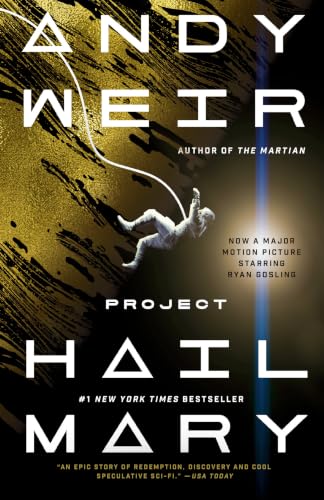
    Those are three different recommendations, even though all three belong on a science-fiction shelf. Andy Weir’s Project Hail Mary brings several pleasures together: Ryland Grace wakes with gaps in his memory, has a mission tied to Earth’s survival, and must learn enough about an unfamiliar situation to act. The publisher’s reading guide establishes that premise; the discoveries are better left to the novel.

    Project Hail Mary by Andy Weir cover

    Think about what kept you turning pages. Was it watching someone test an idea? The pressure of having no safe backup plan? Or the challenge of meeting an intelligence with different assumptions? Use that answer to pick your next book. None of these needs to reproduce every part of Weir’s novel to be a good follow-up.

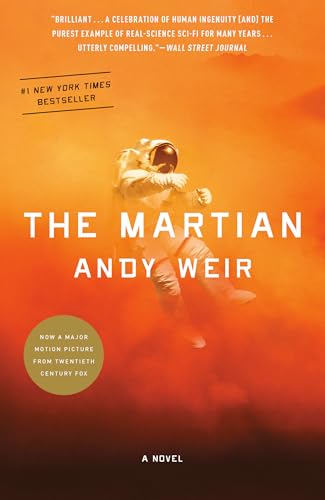
    For practical science: The Martian by Andy Weir

    The Martian by Andy Weir cover

    The Martian is the most straightforward choice if you want another Andy Weir novel built around an extremely difficult problem. Astronaut Mark Watney is stranded on Mars after a storm leaves his crew believing he is dead. He has limited supplies and no easy way to announce that he is still alive. The publisher’s description makes the central appeal clear: scientific knowledge and improvisation become everyday survival tools.

    The useful comparison is the scale of the immediate task. You can approach this book looking for the satisfaction of turning a terrifying situation into something that can be worked on. What is available? What is missing? What might fail next? The stakes are enormous for Watney, but his predicament gives the reader a concrete person and place to follow. That makes it a strong pick when the process of finding an answer mattered as much as the answer itself in Project Hail Mary.

    Weir also talks about breaking large problems into smaller pieces in his publisher Q&A. That provides a helpful way to choose between these recommendations. If you want a story where reasoning can feel like forward motion, keep this one at the top of your list. You don’t need to turn your reading into homework; the pleasure is following the effort and seeing why the next attempt matters.

    The tradeoff is the kind of connection you’re seeking. Watney’s predicament is human survival on Mars. Choose it for ingenuity, pressure and the author’s comic sensibility, rather than expecting the same first-contact relationship as Project Hail Mary. If the unfamiliar intelligence was your favorite element, skip ahead to Children of Time. If you’ve already read The Martian, that preference still helps: move toward Seveneves for a bigger engineering problem, or toward Tchaikovsky for a different perspective.

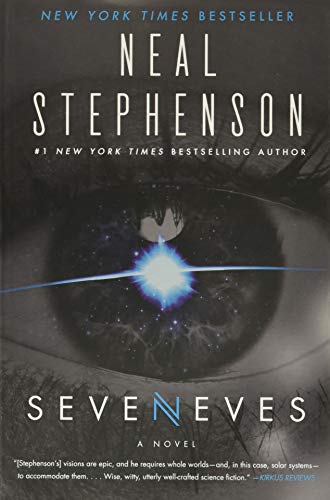
    For humanity’s survival: Seveneves by Neal Stephenson

    Seveneves by Neal Stephenson cover

    Seveneves starts with the destruction of the moon. Its debris threatens to make Earth uninhabitable, and people must work out how a human future could continue. One response involves habitats around the International Space Station. That opening situation, described by publisher Subterranean Press, turns survival into a question of infrastructure and collective decisions.

    This is the recommendation for the reader who finishes a space survival story and wants to keep asking practical questions. How would you expand a refuge? How would you organize the people who depend on it? What happens when a technical plan also needs agreement among people under extraordinary pressure? Those are useful interests to bring to this book. You’re moving from the appeal of one person solving the next urgent problem toward the challenge of building something many people must live with.

    Stephenson’s account of the novel’s origins is revealing. He began with the space-debris problem and wanted to keep the story within the solar system, avoiding faster-than-light travel and technologies without a known physical basis. That doesn’t make fiction a scientific prediction. It does explain why the engineering premise is a good reason to choose this particular follow-up.

    The main tradeoff is breadth. Seveneves includes political and social tensions, and its story eventually stretches across millennia. Go in wanting that widening view. If you mostly want an intimate companionship story, or a tight focus on one familiar voice, this is a less direct match than the phrase “books like Project Hail Mary” might suggest.

    For a reading group, it offers a useful discussion angle: which challenge interests you more, designing a system or persuading people to cooperate within it? You don’t have to decide in advance. But being curious about both makes Seveneves an easier recommendation. Choose it when you want the survival problem to grow beyond the next repair and into the shape of a future society.

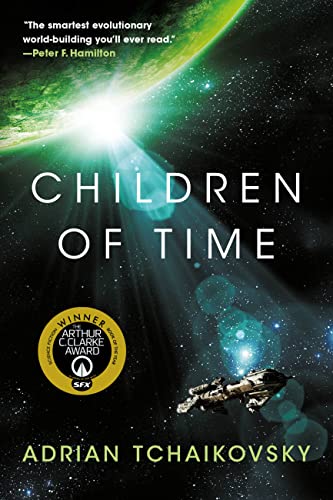
    For first contact: Children of Time by Adrian Tchaikovsky

    Children of Time by Adrian Tchaikovsky cover

    Children of Time follows human survivors searching for a home beyond a dying Earth. They find a planet prepared for human life, but it already has inhabitants and a civilization of its own. The publisher’s synopsis frames the resulting encounter around two civilizations with competing needs for survival.

    That makes it the most promising choice here if your favorite part of Project Hail Mary was the need to understand an intelligence with a different view of the world. The attraction is more specific than simply having aliens in the story. A shared problem doesn’t automatically produce a shared interpretation of it. When both sides have reasons to fear losing their future, understanding becomes something consequential.

    Bring your curiosity about perspective to this one. Instead of looking only for the clever solution a character can calculate, consider what each civilization thinks it is protecting. That shift gives you a different way to follow the tension. You can ask how a situation looks from each side before deciding what a reasonable response would be. It’s a useful next step for readers who want science fiction to make their familiar assumptions feel less automatic.

    The tradeoff is intimacy and scale. A collision between civilizations is a different starting point from a close partnership between individuals. Don’t choose Children of Time solely because you want the same friendship or the same humor again. Choose it because you want the question of coexistence to occupy more of the story. The sense of discovery can be the connection even when the reading experience changes.

    It is also the first book in Tchaikovsky’s Children of Time series, so start here rather than jumping to a later title. There’s no need to commit to the whole series now. Let the premise of this first encounter decide whether it belongs on your immediate reading list.

    Pick the part you want to carry forward

    If you’re still torn, imagine choosing tonight’s first chapter. Reach for The Martian when you want a concrete predicament and the pleasure of working through it. Reach for Seveneves when you want to think about how people could build a future under extreme constraints. Reach for Children of Time when you want human survival considered alongside another civilization’s claim to a home.

    All three can suit a reader who loved Project Hail Mary, but for different reasons. You can also change your answer with your mood. After a week of complicated decisions, a familiar author and a clear central predicament might sound appealing. With more room for a longer conversation, the social questions in a civilization-scale story might be what you want.

    The book pages linked above let you check each title and edition before choosing. Start with the appeal you most want to revisit, then leave room for the next author to surprise you. Finding a satisfying follow-up doesn’t require finding the same novel twice.

  • Loved Legends & Lattes? Is The Spellshop Your Next Cozy Fantasy?

    Loved Legends & Lattes? Is The Spellshop Your Next Cozy Fantasy?

    If the best part of Legends & Lattes was watching a small business become a place people belong, The Spellshop deserves a spot on your list. Sarah Beth Durst swaps the coffee counter for an island cottage, a garden and some decidedly unauthorized magic. The pleasure of starting over is familiar. The person doing it, and what she has to risk, are different.

    The most useful question is what you want to take with you from Travis Baldree's novel. More shopkeeping? More friendship? A romance with a seaside setting? Here's how to decide whether this is your next read, without spoiling either story's ending.

    What made the coffee shop matter?

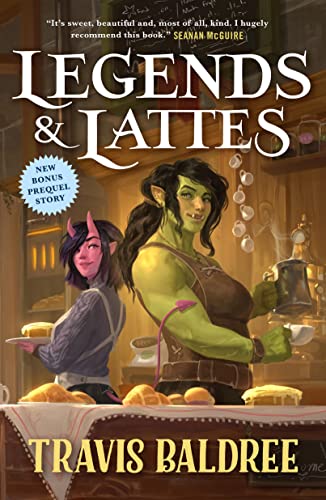
    Legends & Lattes by Travis Baldree, verified book cover

    Legends & Lattes follows Viv, an orc who leaves adventuring behind to open a coffee shop in Thune. Her first challenge is wonderfully specific: the city doesn't know what coffee is. She needs to build a business and find people who can help her make this unfamiliar idea work.

    That setup changes what counts as a satisfying fantasy achievement. Instead of asking how much stronger the hero can become, you can root for a place to take shape and for its owner to learn a different way of living. The fantasy is partly the chance to use your energy on something you actually want to make.

    Baldree has described the novel's beginnings in terms of missing cafés, human connection and hope during the pandemic. That author perspective offers a useful clue to its appeal: the company matters as much as the coffee. If you finished the book wanting another welcoming place to spend time, rather than another adventure with the same characters, Durst's island is a promising next stop.

    The Spellshop trades a chosen retirement for a hurried escape

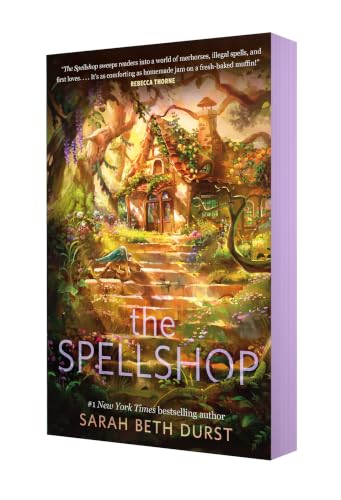
    The Spellshop by Sarah Beth Durst, verified book cover

    The Spellshop starts with Kiela, a librarian whose comfortable world revolves around books. When revolution reaches the Great Library of Alyssium, she flees with rescued spellbooks and Caz, her assistant and a magically sentient spider plant. They take shelter on the island where she grew up.

    Kiela needs a living, so she begins making jam. The spellbooks can help her garden grow, but using their knowledge comes with consequences: this magic isn't freely available for anyone to practice. A small enterprise becomes a question about what she can offer the people around her, and what it costs to keep those abilities hidden. The publisher's description and opening excerpt establish both the cottage setting and the danger behind her arrival.

    The distinction matters when choosing your next book. Viv has a project she wants to begin. Kiela first needs somewhere to land. If the idea of making a home after an unwanted upheaval speaks to you, the island premise may be especially appealing. If you're mainly looking for the pleasure of a business plan becoming real, expect that interest to share space with recovery and getting to know the neighbors.

    Coffee and jam give the community a reason to gather

    Both premises give friendship something practical to grow around. A shop makes repeated encounters possible: people can offer help, become familiar faces and gradually stop feeling like strangers. That can be more inviting than a story in which everyone is immediately declared a found family.

    The settings offer different versions of that invitation. Thune gives you a new café inside an existing city. Kiela's island brings the prospect of a cottage garden and a smaller circle of neighbors. You might choose between them the way you'd choose an afternoon out: a lively counter with something warm to drink, or a place where you can notice what's growing outside.

    In a 2024 interview, Durst describes kindness and starting over as central to the book she wanted to write. She also connects its cottagecore appeal with a seaside retreat. That's a stronger reason to try it than simply putting both novels under the same genre label. You're following a particular pleasure: ordinary work becoming a way to connect.

    Romance is part of the comparison, too

    If Viv and Tandri's relationship was a major reason you loved Legends & Lattes, be specific about what you hope to find again. Publishers Weekly's review describes their growing affection alongside Viv's business. The warmth of that relationship and its sapphic pairing may matter to you for different reasons.

    The Spellshop pairs Kiela with a helpful male neighbor, Larran. Its publisher presents the book as a standalone romance as well as a small-town fantasy. That makes it a reasonable choice if you're drawn to a love story growing alongside a new home and community. It doesn't make it an equivalent choice if you specifically want another sapphic romance.

    You don't have to treat those preferences as interchangeable. Wanting familiar emotional warmth is one reading mood; wanting a particular kind of romantic relationship is another. Name the part you're looking for before choosing from a shelf of similarly inviting covers.

    Cozy still leaves room for something to go wrong

    Neither premise promises an entirely uneventful life. Viv has rivals and a past that can interfere with her plans. Kiela escapes a burning library, and her use of magic is illegal. Those are meaningful pressures even when a story is centered on a smaller, gentler life.

    If you want absolutely no danger tonight, the label alone won't settle the decision. Read the opening sample first. It can tell you more about your response to the voice and immediate tension than a list of pastries, plants or charming side characters can.

    For readers comfortable with some trouble on the way to connection, The Spellshop offers a clear reason to leave the café: a bookish heroine has to turn knowledge into something useful outside the library. Try it if the garden, the island neighbors and the possibility of belonging sound like the parts you'd linger over. You can explore The Spellshop on TextbookNova and decide whether that's the fresh start you want next.

  • Freida McFadden Books in Order: The Housemaid Series, Standalones, and Where to Start

    Freida McFadden Books in Order: The Housemaid Series, Standalones, and Where to Start

    You don’t need to read every Freida McFadden book in publication order. If you want the Housemaid story, start with The Housemaid, continue with The Housemaid’s Secret, and finish the main novels with The Housemaid Is Watching. The Housemaid’s Wedding is an optional short story that fits between the second and third novels—or works as a flashback afterward.

    If you’d rather try one book before committing to a series, choose a standalone such as Never Lie. You won’t need to catch up on Millie’s story first. Here’s how to sort the series, choose a starting point, and use the publication-year list without treating a new edition as a new story.

    Checked October 16, 2026. This guide follows the author’s current catalog and keeps forthcoming books separate.

    The Housemaid books in reading order

    The sequence below follows the author’s Housemaid reading-order advice. McFadden says the novels can be read out of order, but later books may reveal developments from earlier ones. Starting at the beginning is the better choice if you’re trying to protect the surprises.

    Reading position Title What it is
    1 The Housemaid (2022) First novel
    2 The Housemaid’s Secret (2023) Second novel
    Optional, here or after book 3 The Housemaid’s Wedding (2024) Bonus short story
    3 The Housemaid Is Watching (2024) Third novel

    1. The Housemaid

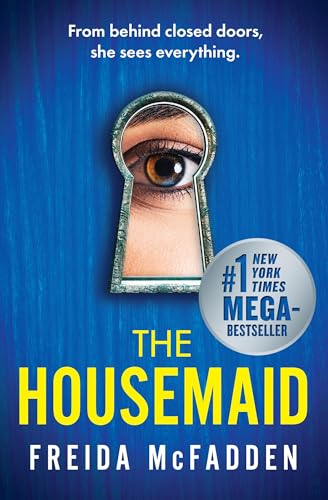
    The Housemaid by Freida McFadden

    Millie’s new job offers a place to live as well as a paycheck. She works in the Winchester family’s home, where the arrangement soon feels much less comfortable than it looks from outside. The official synopsis establishes the uneasy household and a bedroom door that locks from the outside. You don’t need to know more before starting.

    Choose The Housemaid if you want domestic suspense built around the question of whom to trust inside someone else’s home. It’s also the most straightforward introduction if friends keep mentioning Millie. Begin here before browsing detailed descriptions of the sequels: even ordinary setup information can tell you where a character ends up.

    2. The Housemaid’s Secret

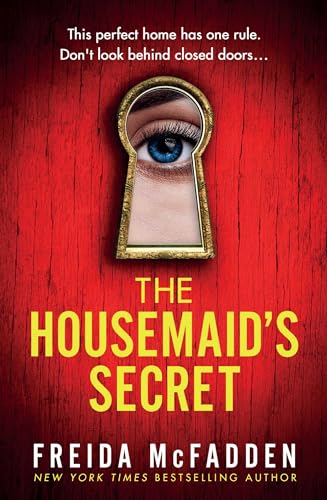
    The Housemaid's Secret by Freida McFadden

    The next novel moves Millie into another job, this time in the Garricks’ penthouse. Her employer’s wife remains behind a closed door, and Millie is told to leave her alone. That instruction supplies the immediate tension in the author’s description.

    Read The Housemaid’s Secret second for continuity, rather than treating the new household as a reason to skip ahead. A fresh employer gives the book a new central problem, while returning to Millie means you’re still following a character whose circumstances have developed. If you’ve only finished the first novel, this is your next main installment.

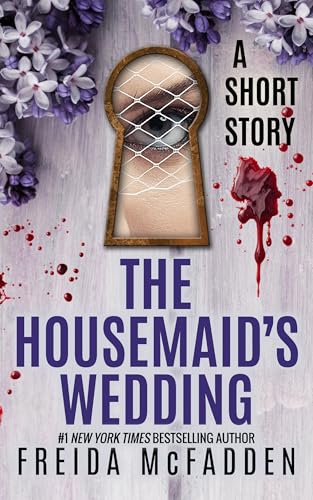
    The optional stop: The Housemaid’s Wedding

    The Housemaid's Wedding by Freida McFadden

    This is where reading lists can look more complicated than they are. The Housemaid’s Wedding is a short story, not a fourth full-length Housemaid novel. The author describes it as a bonus scene in the gap between the second and third books and explicitly allows either reading position.

    For a first trip through the series, put it after The Housemaid’s Secret if you enjoy keeping events in chronological order. If you’ve already read The Housemaid Is Watching, there’s no reason to restart: read the story afterward. You also don’t have to postpone the third novel while waiting to borrow this shorter installment.

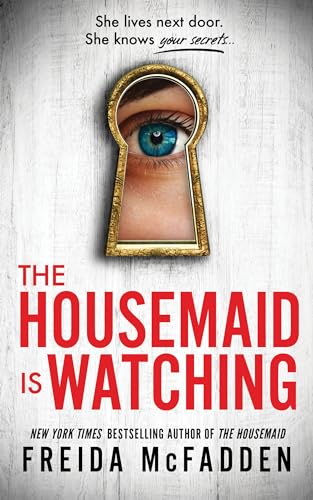
    3. The Housemaid Is Watching

    The Housemaid Is Watching by Freida McFadden

    The third novel shifts the setting toward suburban family life and unsettling neighbors. That change is enough to explain why we recommend saving it for this point; spelling out the character’s new circumstances would give away more than a reading-order guide needs to. See the official book page if you want the fuller premise.

    The Housemaid Is Watching was published in June 2024, before Wedding appeared that November. That’s why a publication-order list places the short story last, while a chronological reading list puts it between novels two and three. Both lists can be correct; they’re answering different questions.

    Where to start if you want a standalone

    A standalone is a useful choice when you want one complete central mystery without planning several books ahead. Pick the setting that appeals to you, rather than searching for a prerequisite. Two options make the distinction especially easy.

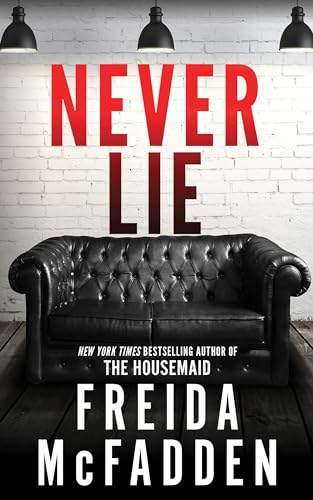
    Never Lie: a snowbound house and recorded secrets

    Never Lie by Freida McFadden

    In Never Lie, newlyweds Tricia and Ethan visit a remote house once owned by a missing psychiatrist. A winter storm traps them there, and recordings of the doctor’s sessions become part of the mystery. Those details come from the author’s synopsis, without revealing what the recordings uncover.

    Choose this if the appeal of The Housemaid is the suspicious house, but you want to start and finish a separate story. The practical difference is simple: you can read Never Lie now and return to the Housemaid sequence later. It isn’t a Housemaid prequel, sequel, or required detour.

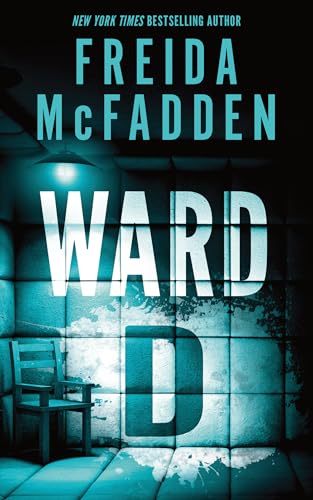
    Ward D: an overnight hospital mystery

    Ward D by Freida McFadden

    Ward D follows medical student Amy Brenner during an overnight rotation on a locked psychiatric ward. The official premise centers on her growing fear that something is wrong as the night progresses.

    This is the alternative if you’d prefer a hospital setting to a troubled household. The attraction is the concentrated overnight situation and Amy’s uncertainty about what’s happening around her. There’s no Housemaid homework to do before opening it.

    Freida McFadden’s standalone thrillers by publication year

    If you enjoy working through a backlist, use this as a checklist. The years below come from the author’s individual book records, linked by title. They aren’t a required reading sequence. Where several titles share a year, they appear in the order listed by their publication dates.

    The edition to check before buying twice: Dead Med was previously published as Suicide Med. The author identifies Dead Med as a revision with 20% new material and dates the revised title to June 24, 2024. Keep those names together on your reading checklist. The revision may interest an existing reader, but the new title doesn’t make it an unrelated story.

    Forthcoming: The Sleepwalker is listed for March 23, 2027. As of this guide’s October 2026 check, it belongs on a future-reading list. Publication dates can change, so check the author page before planning a release-day read.

    The other series and shorter fiction

    McFadden’s catalog also includes medical comedy. The Dr. Jane McGill books are The Devil Wears Scrubs (2013), followed by The Devil You Know (2017). Baby City (2015), co-written with Kelley Stoddard, is listed separately. These aren’t extra Housemaid installments; look at their premises if you want a different side of the author’s work.

    For shorter fiction, the current catalog lists The Gift (2022), The Widow’s Husband’s Secret Lie (2024), Death Row (2025), and The Dinner Party (2026). The Widow’s Husband’s Secret Lie is described as a satirical novella, while The Dinner Party uses a choose-your-path format. Keep them on a separate part of your checklist rather than assuming every title represents another full-length thriller.

    Pick the reading plan that suits you

    If you’re borrowing through a library, search by the exact title and author before joining a hold queue. A paperback, ebook, and audiobook can have different release dates or cover designs while presenting the same story. Those differences don’t add another step to the reading order. A box set can also contain several titles already on your checklist, so compare its contents before counting it as something new.

    When a listing uses a series label you don’t recognize, check which books it contains against the author’s current categories. This guide uses those categories to separate connected characters from a collection of otherwise independent titles. You can still choose a standalone for its premise without committing to everything packaged beside it.

    For Millie’s story, follow the three Housemaid novels and add Wedding wherever the optional stop fits. For a one-book introduction, choose Never Lie for the remote-house mystery or Ward D for the overnight hospital setup. For a longer project, work through the standalone checklist at your own pace; an unavailable title doesn’t need to stop you moving to the next one.

    Once you’ve chosen your starting point, browse Freida McFadden on TextbookNova to find the matching book and compare available editions. Check the title and format before adding a bundle or a new cover to your list. A different package is useful only if it’s the story you meant to read next.

  • How to Annotate Books Without Ruining Them

    How to Annotate Books Without Ruining Them

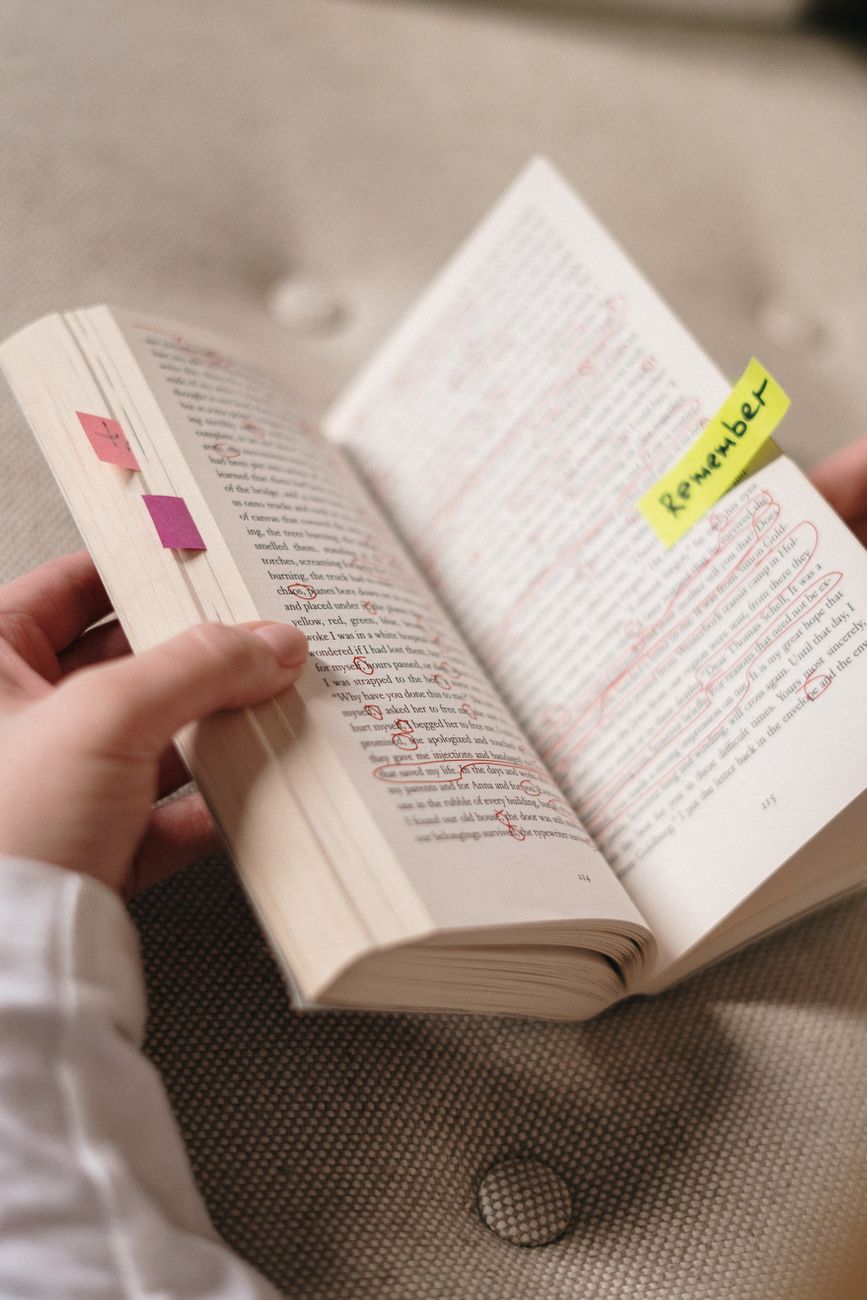
    If you want to annotate a book without ruining it, start with one question: do I own this copy, and do I need it to stay clean? Your answer decides everything. A paperback you bought used for yourself can handle more margin notes than a rented textbook, a library book, a borrowed novel, or a collectible edition you may resell later.

    The goal is not to make the page look busy. Good annotation helps you find the idea again, explain why it mattered, and remember what you were thinking when you read it. The best system is usually lighter than people expect: a few meaningful marks, a few useful notes, and a way to retrieve them later.

    First decide what kind of book you are holding

    Treat annotation as a condition decision before it becomes a reading decision. If the book is rented, borrowed, from the library, brand-new, collectible, or likely to be resold, do not write in it unless the owner or seller clearly allows it. Even when a rental policy allows “normal” highlighting, heavy marks can make the book harder for the next reader and may reduce resale or return value.

    For library and borrowed books, keep the rule simple: no ink, no highlighter, no folded corners, and no sticky tabs that could tear or leave residue. The Library of Congress’ paper-care guidance warns against using folded corners, paper clips, and other fasteners to mark or organize pages, and the American Museum of Natural History Research Library gives similar proper-care advice for library books, including avoiding paper clips and rubber bands on library materials.

    For books you own and plan to keep, you have more freedom. You can underline, write in the margins, use symbols, or highlight. Still, it helps to be selective. If every paragraph is highlighted, nothing is highlighted.

    A practical rule:

    • Borrowed, rented, library, or collectible copy: use removable notes or separate notes.
    • Owned copy you may resell: use light pencil or removable tabs only if you can tolerate lower condition.
    • Owned copy you plan to keep: annotate directly, but use a consistent system.
    • Digital copy: use built-in highlights and notes, then export or summarize the important ones.

    Use fewer marks with clearer meaning

    The fastest way to ruin a useful annotation system is to mark everything that sounds important. Harvard’s Academic Resource Center frames reading as a strategic process: different texts need different approaches, and marking text should keep you focused rather than replace understanding. Cornell’s Learning Strategies Center makes a similar point about learning from digital materials: highlighting without knowing why you are marking something can make you overestimate how well you understand it.

    Instead of using three highlighters, six symbols, and a color code you will forget by next week, start with four signals:

    • Underline the central claim, definition, or turning point.
    • Star the one idea you may want to quote, discuss, or review.
    • Question mark anything confusing, doubtful, or worth checking.
    • Arrow connections to another chapter, class topic, book, or real example.

    That is enough for most reading. You can always add more later, but you do not need a museum of colors on page one. If you are annotating for class, focus on what helps you answer prompts, prepare discussion points, or study for an exam. If you are annotating for pleasure, mark the lines that made you think, laugh, argue, or want to come back.

    The Open University’s active-reading advice is useful here because it treats reading as a cycle of questioning, marking, summarizing, and checking memory. A good annotation should create a next action: ask this in class, add this to notes, compare this with another idea, or reread this before the test.

    Try the no-damage sticky-note system

    Sticky notes are the easiest way to annotate a book you cannot mark directly, but use them carefully. Choose thin, removable flags or small notes, place them so they do not cover important text, and remove them slowly. Avoid leaving adhesive notes in a book for months, especially in valuable or fragile copies.

    Use one note per job:

    • Tab only: mark the page so you can find it again.
    • Tiny note: write a keyword, question, or one-sentence reaction.
    • Larger note: summarize a paragraph, scene, argument, or formula.
    • Endpaper index: if you own the book, list key pages on a blank page or separate bookmark.

    If you do not own the book, keep the index somewhere separate: a notebook, phone note, spreadsheet, or document. Write the page number, a short label, and the reason you marked it. For example: “p. 87 — author defines opportunity cost — use for econ quiz” is much more useful than “important.”

    Here is a simple sticky-note code that works for both novels and textbooks:

    • Blue: confusing or needs review.
    • Yellow: main idea or key evidence.
    • Pink: quote, scene, or example worth discussing.
    • Green: action item, assignment clue, or possible essay point.

    Do not feel locked into colors. The point is to make your future self faster, not to create a craft project.

    Notebook and reading notes used for a separate annotation workflow.
    Keep separate notes when you cannot or should not mark the book directly.

    Keep separate notes when the book cannot be marked

    Separate notes are not a downgrade. For students, they are often better than page marks because they force you to translate the reading into your own words. Cornell’s note-taking guidance is built around separating cues, notes, and summaries, which makes it a natural fit when you need to preserve a rented or borrowed book.

    For textbook chapters, use three columns or sections:

    • Page or section: where the idea came from.
    • What it says: the claim, definition, process, formula, or example.
    • Why it matters: how it connects to lecture, homework, discussion, or a test.

    For fiction or nonfiction reading, use a lighter version:

    • Page: where the moment appears.
    • Moment: a short phrase, scene, argument, or quote label.
    • Reaction: your question, interpretation, or connection.

    This keeps the physical book cleaner and makes your notes more searchable. It also helps if you read across formats. You might borrow the audiobook, own a paperback, and check an ebook sample. A separate note file lets all of those observations live in one place.

    When you need a personal copy you can mark freely, search the exact title or ISBN on Textbook Nova before buying. A cheap used copy can be the right choice when you know you will underline, dog-ear, revisit, and keep the book for years.

    Make annotations easy to find later

    Annotation only pays off if you can use it later. Before you close the book, spend two minutes turning marks into a mini index.

    For a study book, write:

    • three terms or concepts you need to remember,
    • one question you still have,
    • one page to review before class or a quiz,
    • one example that could help with homework or discussion.

    For a novel or nonfiction book, write:

    • one theme or argument you noticed,
    • one page worth returning to,
    • one quote or scene label,
    • one question for a book club, class, or review.

    This step matters because page flags alone get stale. A month later, a sticky note on page 143 tells you almost nothing unless you know why you cared. A tiny index turns scattered marks into something you can study, discuss, or write from.

    Student study desk with book, laptop, and notes for organizing annotations.
    A simple note index makes annotations easier to use later.

    Quick annotation rules by book type

    Use this checklist before you mark anything:

    • Library book: do not write, highlight, fold corners, or attach anything that could tear or leave residue. Use a bookmark and separate notes.
    • Borrowed book: ask first. If you do not have clear permission, treat it like a library book.
    • Rented textbook: read the rental rules before marking. When in doubt, use removable tabs and separate notes.
    • Used book you may resell: keep marks light, preferably pencil or removable tabs, and expect heavy annotation to affect condition.
    • Used book you plan to keep: annotate directly if it helps you read better. Use a simple symbol system.
    • New hardcover or collectible edition: avoid direct marks. Use a reading journal, bookmark index, or removable notes only for short-term use.
    • Digital book or PDF: use highlights and comments, then export or summarize the important notes so they do not get trapped in the app.

    The best annotation method is the one that fits the copy in your hands. Mark owned books boldly if that makes them more useful to you. Protect borrowed and resale-worthy books with removable tabs and separate notes. Above all, annotate with a purpose: fewer marks, clearer meaning, and notes you can actually find again.

  • What to Read After The Thursday Murder Club: Is Vera Wong Your Next Sleuth?

    What to Read After The Thursday Murder Club: Is Vera Wong Your Next Sleuth?

    If you finished The Thursday Murder Club wishing you could spend more time with its people, put Vera Wong’s Unsolicited Advice for Murderers on your list. Jesse Q. Sutanto’s mystery has an older amateur detective, plenty of interference in other people’s business, and friendships that become part of the reason to keep reading. The strongest connection is the pleasure of finding good company in the middle of a murder investigation.

    There’s a difference worth knowing before you choose it, though. Richard Osman gives you a group of friends who already meet to puzzle over crimes. Sutanto starts with a lonely tea-shop owner whose investigation brings new people into her life. If you want another established team with the same rhythm as Elizabeth, Joyce, Ibrahim and Ron, that change may matter. If you’d enjoy watching a new circle form, Vera is a promising person to meet.

    Start with what you’ll miss about the club

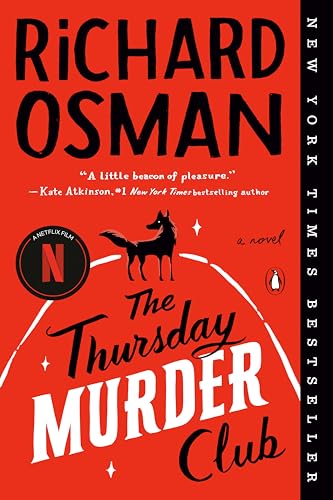
    The Thursday Murder Club by Richard Osman

    The Thursday Murder Club begins with four retirement-village residents discussing unsolved cases. A murder nearby turns their regular pastime into a live investigation. That setup gives the book two invitations at once: try to solve the case, and pull up a chair with the people solving it. The publisher’s description establishes the small community and the leap from cold cases to immediate danger.

    Before searching for something similar, think about which invitation you accepted most eagerly. Did you race through conversations looking for clues? Did you look forward to the next exchange between the friends? Or did you like seeing older characters take charge when other people might underestimate them? Those answers can lead to different recommendations, even when every book on the shelf is called a cozy mystery.

    Osman has described the puzzle and the characters as closely connected. In his interview with Dead Good, he explains that readers need to enjoy spending time with the people who carry them through the mystery. That’s a useful way to judge a follow-up read: look for someone you want to accompany, rather than expecting a new author to reproduce the exact cast you’ve left behind.

    Meet Vera before you meet her suspects

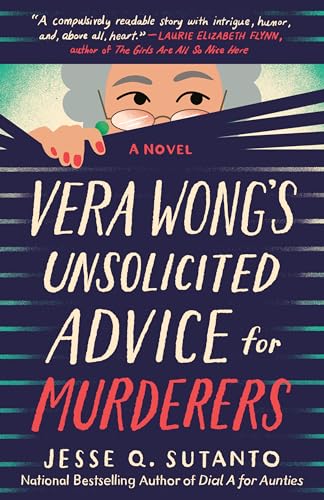
    Vera Wong’s Unsolicited Advice for Murderers by Jesse Q. Sutanto

    Vera Wong’s Unsolicited Advice for Murderers takes you to San Francisco’s Chinatown. Vera lives above her tea shop, where she discovers a dead man one morning. She calls the police, but she also pockets a flash drive and decides to investigate for herself. Her confidence that she can do a better job sets the story in motion. This is the opening premise, described by Berkley, rather than a later revelation.

    The complication is that the people Vera suspects become people she cares about. Investigating them and welcoming them into her life begin to pull in different directions. That gives the recommendation a more specific appeal than “another funny murder mystery.” It’s a good possibility when you want suspicion and affection to share the same room.

    Vera’s forcefulness is also worth considering. In an author interview with United By Pop, Sutanto says the character draws on both her parents and discusses how affection can sit behind overbearing behavior. That doesn’t mean every reader will find Vera charming immediately. If a determined meddler makes you laugh, her personality may be a large part of the attraction. If you get impatient with characters who won’t take a hint, try a sample before committing.

    An established circle or a new one?

    This is the clearest choice between the two books. With Osman’s opening premise, the group exists before the live case arrives. With Vera, the case creates opportunities for connection. One starts with a shared habit; the other disrupts a lonely routine.

    For a reader choosing the next book, that changes what there is to look forward to. You might want the ease of returning to familiar friends, in which case continuing Osman’s series makes sense. Or you might be ready for the uncertainty of new relationships: who will trust whom, who will get along, and whether someone who seems intrusive could become important to another person.

    Neither preference is a test of how adventurous a reader you are. After a busy week, familiar characters can be exactly what you want. At another moment, meeting someone with a completely different way of handling people may be more appealing. Choose the kind of company you want now, rather than treating every recommendation as a replacement for your favorite book.

    What to check in a sample

    Read enough to hear the narrator’s voice and see how a conversation works. A recommendation can tell you that a book is humorous; it can’t decide whether a particular kind of humor will land for you. Notice whether you’re smiling at the character’s certainty, enjoying the interruptions, or wishing everyone would get back to the investigation.

    Pay attention to your curiosity, too. Are you interested only in the answer to the crime, or are you already wondering what will happen to someone’s ordinary life? If the relationships are drawing you in, that’s a useful sign for this particular recommendation. If you’re looking for a tightly focused investigation with little room for personal detours, the shared amateur-sleuth label alone may not be enough.

    You don’t have to read a long list of reviews to make the decision. A short sample and one clear preference can be more helpful than collecting ten loosely similar titles. You’re choosing your next enjoyable read, not proving that two books are interchangeable.

    Should Vera be next?

    Try Vera if the part of The Thursday Murder Club you want more of is capable older characters, humor, and the pleasure of getting attached to people while a case unfolds. Expect a change of setting and a forceful central personality gathering a new circle around her. Keep Osman’s next installment for the moment when what you really want is the familiar club itself.

    You can compare the editions on Textbook Nova: The Thursday Murder Club and Vera Wong’s Unsolicited Advice for Murderers. Then choose by the thing you’re most eager to find again: the puzzle, the people, or the prospect of a new favorite sleuth.

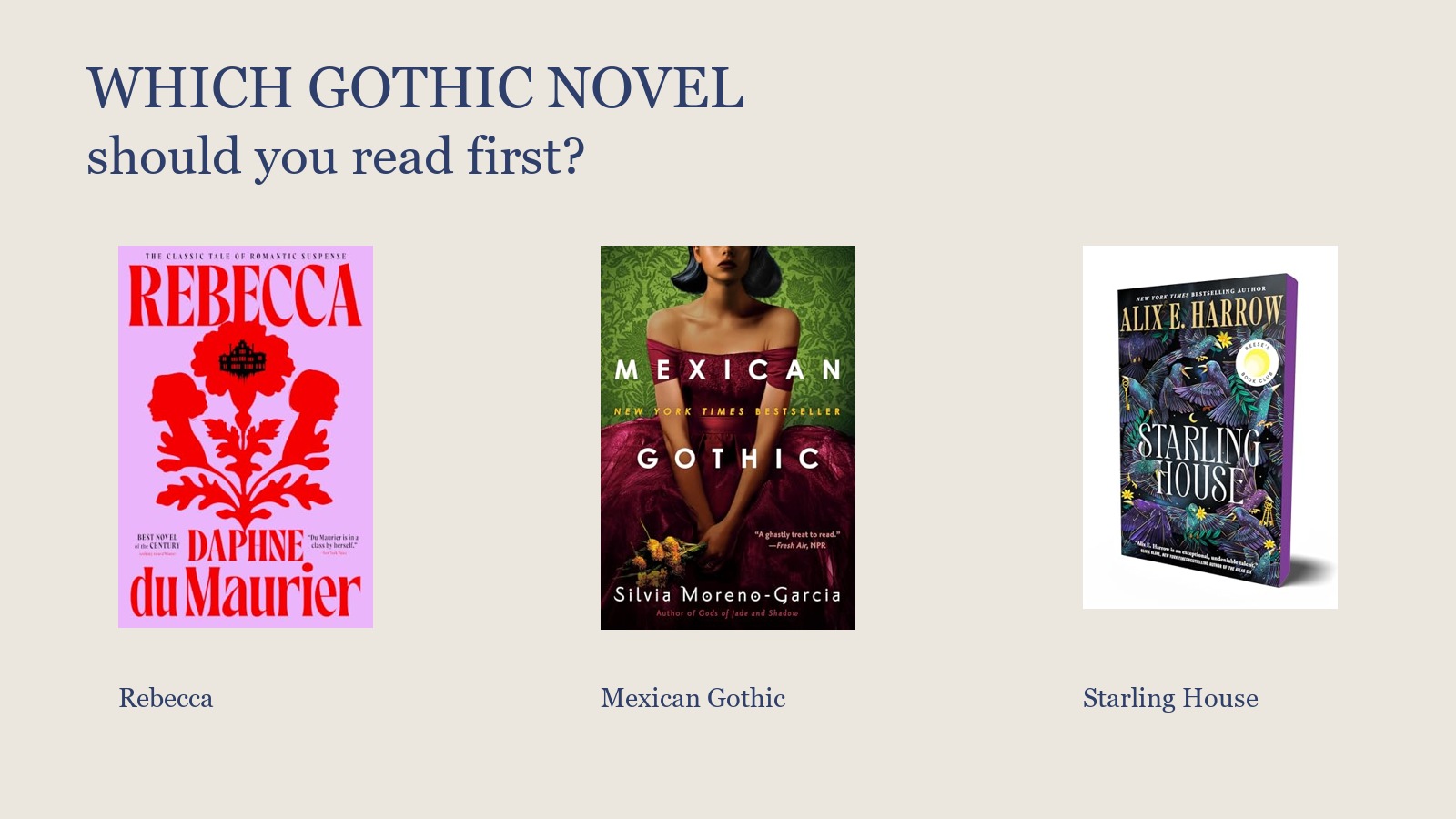
  • Which Gothic Novel Should You Read First? Rebecca, Mexican Gothic, or Starling House

    Which Gothic Novel Should You Read First? Rebecca, Mexican Gothic, or Starling House

    A grand old house can promise several different kinds of trouble. You might want a marriage full of unanswered questions, a family whose hospitality feels increasingly threatening, or a place that offers shelter while hiding something dangerous. All three can make a satisfying October read, but they don’t deliver the same experience.

    Rebecca, Mexican Gothic, and Starling House are useful starting points because each puts a newcomer close to a house with a troubling history. The difference is what draws her inside and where the story puts its attention. Here’s how to choose the one that fits your mood, with the major discoveries left for you.

    The quick choice

    • Choose Rebecca for psychological suspense, a difficult marriage, and the pressure of living up to someone else’s memory.
    • Choose Mexican Gothic for a rescue mission that becomes supernatural horror, with a decaying mansion and an increasingly disturbing family.
    • Choose Starling House for a contemporary fantasy with monsters, romance, and a heroine trying to build a better life for her brother.

    If you only have room for one book this month, start with the kind of tension you enjoy. An uneasy conversation can do as much work as a frightening discovery, but you may prefer one over the other after a long day.

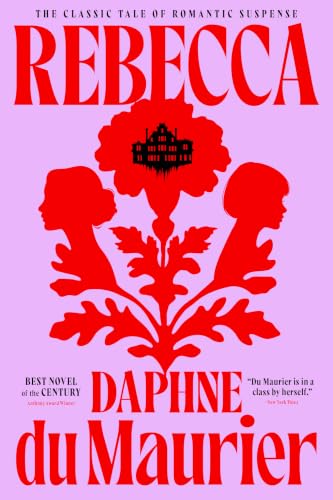
    Rebecca by Daphne du Maurier: for the anxiety of being an outsider

    Rebecca by Daphne du Maurier book cover

    The unnamed young narrator of Rebecca marries the wealthy widower Maxim de Winter and arrives at Manderley, his estate in Cornwall. She hopes to begin a new life, but the house is still shaped by his first wife. Rebecca is dead, yet her name, possessions, and reputation make the new Mrs. de Winter feel as though she’s intruding on somebody else’s marriage. The publisher’s description introduces that central predicament without giving away its answers.

    This is the choice for readers who find social discomfort compelling. The narrator has to navigate a household where other people understand the rules better than she does. Even ordinary questions about how to behave can carry the fear of getting something wrong. Her uncertainty gives the setting much of its power: Manderley is impressive, but being allowed to live there doesn’t automatically mean she feels welcome.

    Go into this one interested in perspective. What does the narrator know, what has she been told, and what is she supplying from her own fears? Those are useful questions to keep in mind as you read. You don’t need to solve every mystery immediately. Letting an impression remain unsettled is part of the pleasure of a story built around someone’s powerful absence.

    Rebecca is the strongest match here if you want suspense rooted in relationships and reputation. Its marriage plot gives you plenty to think about, but expecting a comforting love story would set you up for the wrong book. Pick it for the uneasy gap between the life the narrator imagined and the household she actually enters.

    For a book-club conversation, consider who gets to define Rebecca for the newcomer. Different accounts of one person can reveal as much about the speakers as they do about their subject. If that question interests you more than discovering a literal monster, start here.

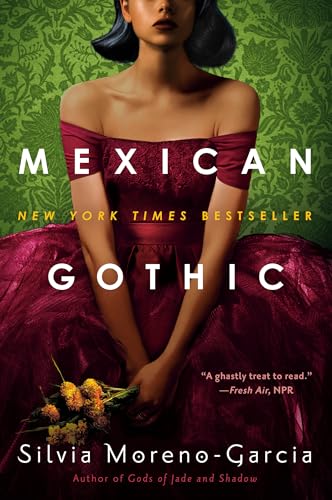
    Mexican Gothic by Silvia Moreno-Garcia: for a visit that turns frightening

    Mexican Gothic by Silvia Moreno-Garcia book cover

    In Mexican Gothic, Noemí Taboada travels to High Place after receiving a worrying letter from her cousin Catalina. The setting is 1950s Mexico, and the isolated English mansion belongs to Catalina’s husband’s family. Noemí arrives with a specific reason to ask awkward questions. She wants to find out what’s happening to someone she cares about, even when her hosts would prefer her to accept their explanations.

    Noemí’s background as a fashionable young socialite makes that confrontation especially interesting. She enters the house with habits and expectations of her own. Rather than treating her interest in parties or clothes as the whole of her personality, the premise gives her a problem that requires attention and persistence. The publisher’s synopsis offers a spoiler-light introduction to her visit and its increasingly strange atmosphere.

    The house’s history also matters. Moreno-Garcia discusses British mining interests, colonialism, and ideas about racial superiority in her interview about the novel. That background gives the family’s control over its surroundings a broader significance. While reading, pay attention to who has money, who is believed, and whose choices the household tries to limit. Those questions help connect the unnerving domestic details to the book’s larger concerns.

    Choose this one when you want the horror to become more physical and overtly supernatural. Its disturbing bodily imagery makes it a different proposition from simply spending time in a beautiful, gloomy house. If your ideal autumn book lets you enjoy unease without that kind of horror, Rebecca may be the better fit of these three.

    The rescue premise gives you a clear reason to keep turning pages: Catalina needs help, and Noemí needs information. Resist looking up detailed explanations of the house before you start. Discovering how its separate oddities connect is more rewarding when you can follow Noemí’s investigation without knowing where it leads.

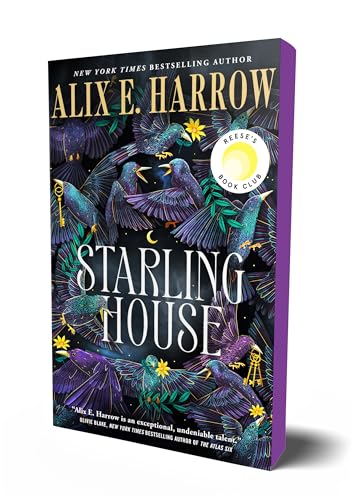
    Starling House by Alix E. Harrow: for fantasy, romance, and a complicated home

    Starling House by Alix E. Harrow book cover

    Starling House begins with practical worries as well as a mysterious building. Opal lives in Eden, Kentucky, and wants better opportunities for her younger brother, Jasper. When she gets the chance to work at the town’s notorious house, the money matters. So does the unexpected feeling that this strange place might offer something she’s been missing. The publisher’s page and opening excerpt establish her situation and the house’s connection to a vanished author.

    That combination makes the book a good choice if you want a gothic setting with an emotional question at its center: what would it take to have a home? For Opal, security involves more than finding a roof. Her responsibilities to Jasper shape the possibilities she can consider. A tempting opportunity still has to be weighed against the life she’s trying to give him.

    Expect fantasy to be part of the story’s machinery. Arthur, the house’s solitary heir, and the dangers surrounding the building belong to a novel where monsters are more than an atmospheric suggestion. There’s also a romance thread. If your reading mood calls for a relationship to develop alongside the mystery, this is the clearest match in the group.

    The town deserves attention, too. Eden’s industrial past and the stories people tell about Starling House give you reasons to look beyond the property itself. As you read, notice which accounts are repeated confidently and whose experiences receive less attention. A frightening local legend can tell you something about the community that keeps passing it on.

    Start here if you like resourceful characters facing both everyday pressures and extraordinary danger. The combination of sibling loyalty, work, money, and an unsettling place to belong gives you several reasons to care about Opal’s choices. If you would rather keep the focus on a marriage and the uncertainty of human motives, choose Rebecca first and save this for a more openly fantastical mood.

    Pick the question you want to follow

    You don’t need to read these in any particular order. For Rebecca, the compelling question is how a newcomer can understand a household dominated by the past. For Mexican Gothic, it’s whether a visitor can discover enough to help her cousin. For Starling House, it’s what a dangerous place might offer someone who needs a home.

    Choose the question that keeps pulling at you, then give the opening chapters your attention. All three books reward curiosity about people as well as buildings. The house may draw you in, but the character’s reason for entering is what gives you a reason to stay.

  • How to Rent Textbooks Without Getting Hit With Extra Fees

    How to Rent Textbooks Without Getting Hit With Extra Fees

    Renting textbooks is safest when you can return the exact book on time and in reusable condition. If you miss the deadline, damage the book, send back the wrong copy, or assume every rental company treats highlighting the same way, the cheap rental can turn into an expensive replacement charge.

    That does not mean renting is a bad idea. It means you should treat a rental like borrowed property with a paper trail. Before you rent, confirm the exact ISBN and the total cost. While you use the book, keep it clean enough for another student. Before finals week gets chaotic, print the return label, pack the book carefully, and save proof that you dropped it off on time.

    Textbook rental fee checklist

    Textbook rental return plan showing steps that help avoid extra fees.
    Rental fees are easiest to avoid when the return plan is set before finals week gets busy.

    Quick answer: textbook rental fees are mostly avoidable

    Most avoidable rental fees come from five problems:

    Fastest way to dodge rental fees

    • Match the title, edition, format, and ISBN before you rent.
    • Read the return, highlighting, and damage rules first.
    • Calendar the due date on the day the box arrives.
    • returning the book after the due date;
    • sending back a damaged, wet, torn, or heavily marked book;
    • losing the book or shipping it without proper tracking;
    • returning the wrong book or forgetting included supplements;
    • renting the wrong edition, format, or bundle in the first place.

    The practical fix is simple: match the book exactly, document its condition when it arrives, use it gently, and build a return plan before the end of the term. Barnes & Noble’s textbook rental terms, for example, say rented materials need to come back in salable condition, with original components present and no excessive highlighting or writing. Chegg’s rental policy language is similar in spirit: limited highlighting may be allowed, but damaged books, late returns, or lost books can trigger extension, replacement, or purchase-price charges.

    Your exact rules depend on the company, campus bookstore, or publisher you rent from. Read the policy before assuming anything.

    Before you rent, compare the exact ISBN and the total cost

    A rental only saves money if it is the right book and the all-in cost still beats your alternatives. Start with the assignment list from your instructor or bookstore, then compare the title, author, edition, format, and ISBN.

    Match title, edition, author, format, and ISBN

    Do not rent from a cover image alone. Textbooks often have multiple editions, loose-leaf versions, custom campus versions, digital bundles, and access-code packages that look almost identical in search results.

    The ISBN matters because it identifies a specific book product or edition. ISBN.org’s general ISBN FAQ explains that each format or edition can require its own ISBN, so a paperback, ebook, revised edition, or bundled product may not be interchangeable for class.

    Before you click rent, check the ISBN-13, edition, publication year, author list, format, and whether your instructor requires an online homework platform or access code.

    If you are comparing several sellers, search by ISBN on Textbook Nova first so you are comparing the same book.

    Compare rental price against used, digital, older-edition, and access-code options

    A rental price can look great until you add shipping, taxes, extension costs, or the risk that you still need the book after the due date. Compare it against buying used, renting digital, using an approved older edition, borrowing legally, or buying a required access-code bundle.

    If the rental is only a few dollars cheaper than buying used, buying may be safer. If the class uses graded online homework, the printed rental may not include the access code you need. For broader decision-making, use Textbook Nova’s guide to ways to save money on textbooks.

    Read the rental policy before you highlight, write, or remove anything

    Rental policies are not identical. Some allow normal highlighting. Some warn against writing. Some care about missing supplements. Some require a specific prepaid return label. You do not need to memorize every clause, but you should know the rules that can cost you money.

    Highlighting rules vary; assume “limited” means genuinely limited

    Treat a rented textbook like something another student needs to use next semester. Light highlighting may be acceptable with some vendors, but heavy marking can become a problem if it hurts readability.

    Chegg says limited highlighting is permitted but asks students not to write in rented physical books. Barnes & Noble allows normal-use highlighting and writing, but says excessive marking that hinders readability can make the renter responsible for replacement. The practical student rule is stricter than the minimum policy: highlight only what you truly need, skip pen notes in the margins, and use sticky notes or a separate notebook for anything messy.

    Avoid highlighters that bleed through pages, pen notes in the margins, correction fluid, food or drink damage, and backpacks that crush corners or bindings.

    Supplements, CDs, workbooks, and access-code cards can matter

    Rental listings do not always guarantee every supplement. Barnes & Noble says supplemental materials are not guaranteed with rented or purchased books, but if a rented book arrives with a supplement, it must be returned with the rental. Chegg also says supplemental materials may not be included, but asks students to return the book complete with anything they received.

    Save anything that came in the package: CD sleeves, cards, inserts, lab-manual add-ons, or shrink-wrapped components.

    Access codes deserve extra caution. If your course requires an online homework platform, renting the print book may not include a fresh code. Check your syllabus so you do not pay twice.

    Protect yourself the day the book arrives

    The best time to prevent damage disputes is the day the rental arrives, not the night before the deadline. Open the package carefully and inspect the book in good light.

    Take photos of the cover, spine, barcode/ISBN, and any visible damage. Check for water damage, torn pages, loose binding, heavy writing, missing pages, or broken supplements. Save the packing slip, order confirmation, and rental due date. Report serious pre-existing damage through the rental company’s support process right away.

    Barnes & Noble tells renters to inspect damaged rented materials when they arrive and contact the company within its stated reporting window. eCampus gives similar practical advice in its textbook rental guidance, telling students to check the condition of a rental when it arrives and contact customer service if there is a problem.

    Keep your photos until the rental is fully closed out and your account shows no balance.

    Set up a return-week plan before finals get chaotic

    The most common rental mistake is waiting until finals week to think about the due date. By then you may be moving out, traveling, working, or studying for multiple exams.

    Two weeks before the due date, confirm the deadline in your account, check whether it is based on drop-off date, postmark, or receipt, print the official label, pack the book securely, and save the tracking number or drop-off receipt.

    Chegg says a rented physical book is considered returned when it is dropped off, properly packaged and labeled, with the specified carrier by the due date. Barnes & Noble tells renters to use the prepaid shipping label at least five days before the return date, while Cengage’s rental-fee terms require its prepaid label and separate packaging for each returned textbook.

    Campus bookstores can have their own rules, too. UVA Bookstores’ textbook return and rental policy is a useful reminder that local policies may set specific in-store windows, receipt requirements, condition rules, and deadlines. Check your campus policy instead of assuming a national online-rental rule applies.

    What to do if the rental is late, damaged, lost, or still needed

    If something goes wrong, act quickly. Waiting usually reduces your options.

    If the book is late, log in to your rental account and look for extension, purchase, or support options. If it is damaged, take clear photos, explain what happened, and ask what the company wants you to do before shipping it back. If it is lost, check whether you can purchase the rental, pay a replacement fee, or send an identical copy. Chegg’s policy, for example, allows a lost or stolen rental to be handled by returning an identical book in the same condition or paying the purchase price minus rental fees, but your vendor may handle it differently. If you still need the book after the due date, extend or buy it before the deadline when possible.

    A simple textbook rental checklist

    Use this checklist every time you rent a textbook.

    Before renting: match the exact ISBN, edition, author, and format; confirm whether an access code is required; compare rental cost against used, digital, older-edition, and buy/resell options; read the rental policy; and save the due date somewhere you will actually see it.

    When the book arrives: photograph the cover, spine, ISBN/barcode, and any existing damage. Keep the box, packing slip, and return instructions until you know the book is correct. Report serious damage or missing items quickly.

    During the semester: use sticky notes or a separate notebook instead of heavy writing, keep food and drinks away from the book, and keep the rental separate from books you own so you do not sell or return the wrong one.

    Return week: print the official return label, pack the book securely, use the required carrier or campus drop-off process, get a receipt or tracking number, and save proof until your account shows the rental was received and closed.

    Renting is a good tool when the book is temporary and the rules are clear. The goal is not to be afraid of rental fees. It is to make the rental boring: right book, clean condition, correct label, on-time return, no surprise charges.